
Not a Full Kitchen? How to Do a "Wine Bar Dinner" (And When to Eat Before You Come)
We've poured a lot of wine and watched a lot of evenings unfold at The Pip. The best nights? They happen when people know what they're walking into.
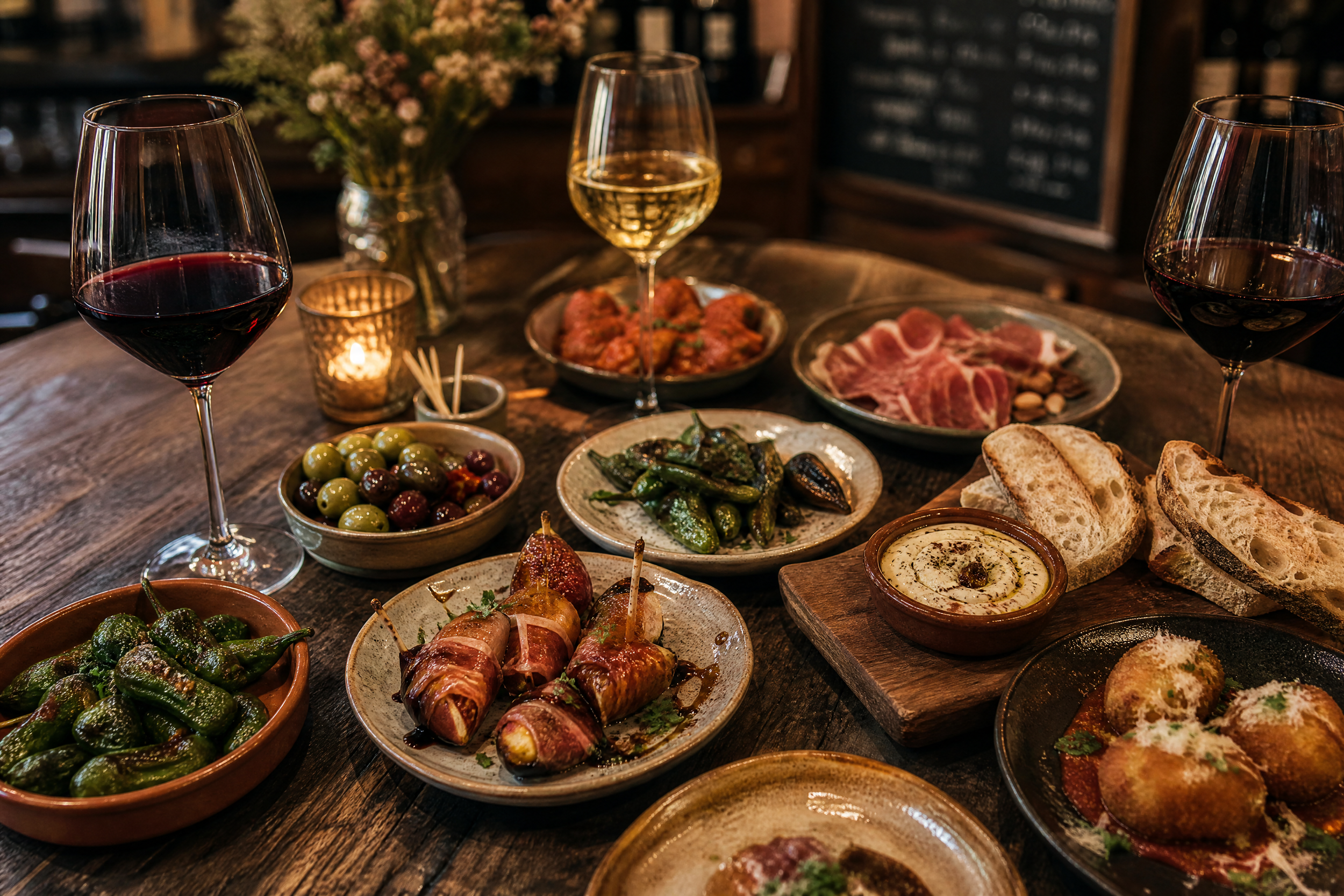
The Pip isn't a restaurant. We don't have a full kitchen tucked behind swinging doors. What we have is a carefully curated selection of tapas-style small plates designed to complement your wine, your cocktails, and your conversation. When you approach a wine bar dinner with the right mindset, it's genuinely one of the best ways to spend an evening.
But having a game plan helps.
What a Wine Bar Dinner Actually Looks Like
A wine bar dinner isn't about filling up fast. It's about lingering—sharing plates, trying different pours, letting the evening breathe.
At a tapas-style wine bar like ours in Downtown Dixon, the food is intentionally designed to be:
Shareable — small plates meant for the whole table, not individual entrées
Complementary — flavors that make your wine or craft cocktail taste even better
Paced — ordered throughout the evening, not all at once
Think of it less like a traditional dinner and more like a European-style aperitivo experience. You're grazing, sipping, talking, ordering another round of something interesting when the mood strikes. According to Wine Folly, this relaxed approach to ordering—where food and wine choices evolve together throughout the evening—is actually how wine is meant to be enjoyed in social settings [1].
The key is ordering multiple small plates over time instead of expecting one main course to carry the night.
How to Build Your Wine Bar Dinner
Here's what works for putting together a satisfying evening without a full kitchen behind you.
Start With Something Savory
Grab one or two small plates right away. This anchors your first glass and gives you something to share while you settle in.
At The Pip, our soft pretzels have developed a serious following—and for good reason. The salt and chew pair beautifully with almost anything we pour, from a crisp white to a bold red. If you're starting with one of our craft cocktails or a wine slushy, the pretzel gives you something substantial to balance the sweetness.
Add as You Go
Wine bars work best when you order in waves. Finished your first plate? Flag us down for another. This keeps the experience dynamic and lets you match your food to whatever you're drinking next.
Ordering a richer red? Ask what pairs well. Moving to something lighter? We'll point you toward a plate that won't overpower it. This back-and-forth is part of what makes tapas-style dining more interesting than committing to a single entrée at the start of the night.
Don't Skip the Signature Items
Every wine bar has a few things they're known for. Ask your server what people can't stop ordering—or what flies out of the kitchen that night.
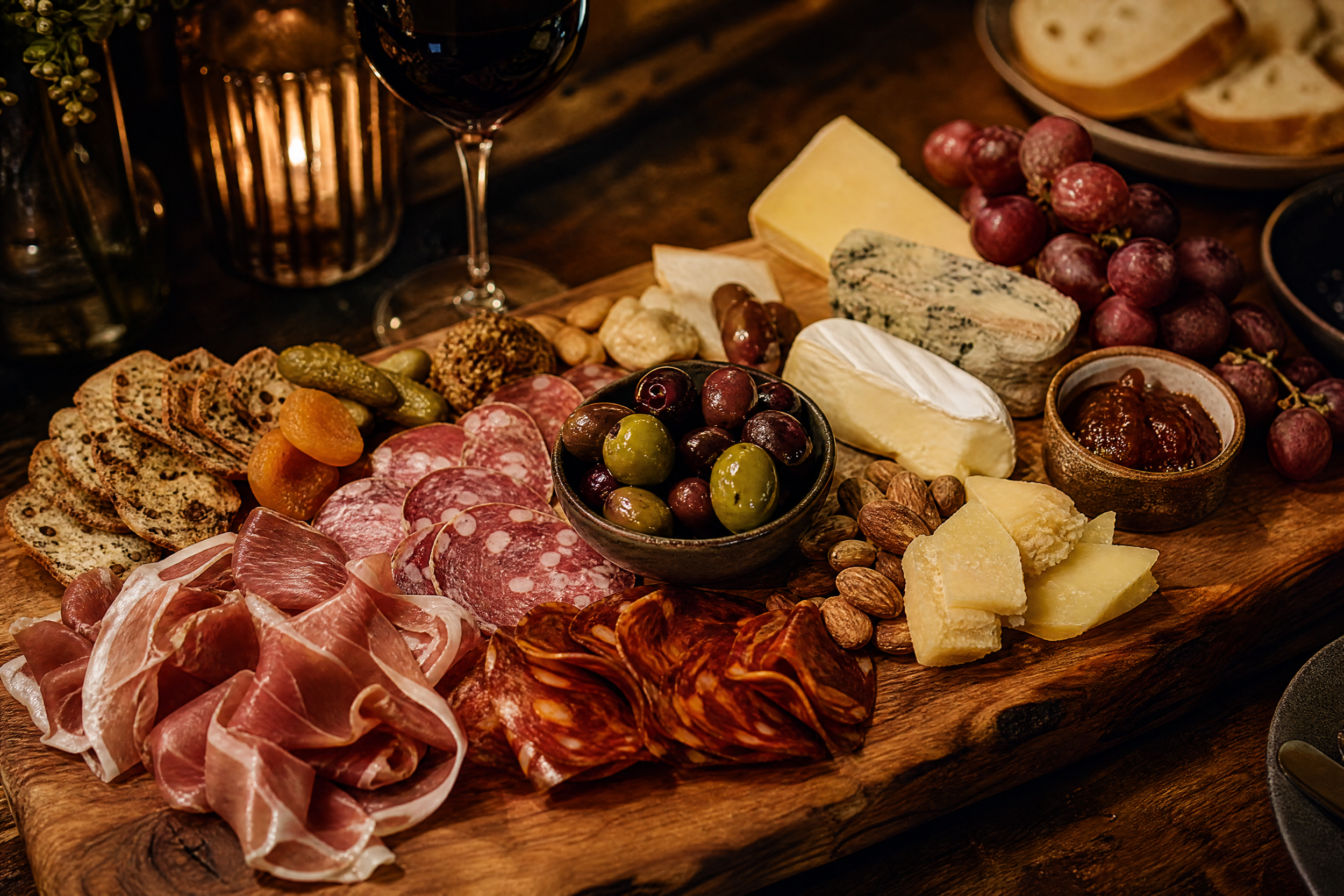
Our menu rotates, but you'll always find options designed specifically to complement wine. Cured meats, artisan cheeses, olives, and prepared bites that enhance rather than compete with what's in your glass.
Match Your Appetite to Your Plan
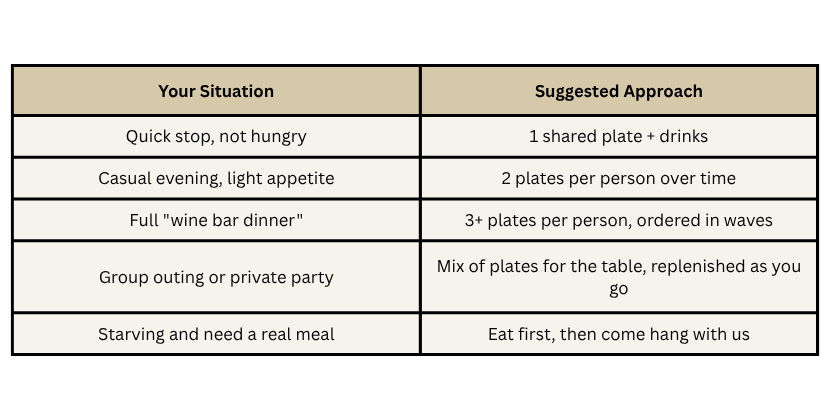
Planning to settle in for a two-hour hang? Two to three small plates per person is a solid baseline. Quick stop before dinner elsewhere? One shared plate keeps things light and social.
When You Should Probably Eat Before You Come
Not every occasion calls for a wine bar dinner. We're fine with that.
Eat before you come if:
You're hungry hungry—the "I haven't eaten since noon" kind
You want a full entrée-sized meal with sides
You're meeting friends briefly before heading somewhere else
You need something substantial and fast
There's no shame in grabbing dinner first and then coming to us for the good stuff. Some of our regulars do exactly that. They'll eat at home or hit a local spot, then swing by The Pip for wine, cocktails, and a shared plate or two.
Honestly? It's a smart move.
When a Wine Bar Dinner Is Perfect
A wine bar dinner is ideal when:
You want to linger. You're not rushing anywhere. You want to sit, sip, and actually catch up with the people you're with.
You're meeting halfway. Dixon sits right between Sacramento and Napa, and it's a natural stop for folks heading to Tahoe or Truckee. We've had plenty of people come in specifically because they decided to meet friends halfway—and The Pip gives you a comfortable place to hang for a few hours instead of rushing through.
It's date night. Sharing small plates over a bottle of wine is romantic in a way that ordering separate entrées just isn't. You're trying things together, talking about what you're tasting, building the evening one pour at a time.
You're exploring. You want to try three different wines and see what pairs with what. A full meal doesn't give you that flexibility. Tapas-style eating does.
As SevenFifty Daily notes, the modern wine bar has evolved specifically to fill this niche—creating spaces where food supports the social and sensory experience rather than dominating it [2]. That's exactly how we think about our menu.
A tapas-style approach also works beautifully for private parties and group outings, where the food becomes part of the social fabric rather than the main event. (Private parties, by the way, are one of our favorite things to host. Reach out if you're planning one.)
Setting Expectations So Everyone Has a Great Time
The guests who have the best time at wine bars are the ones who know what they're signing up for. When expectations match reality, good things happen.
Here's the honest truth about The Pip:
We're a wine bar and bottle shop, not a full-service restaurant
Our food is tapas-style: small plates meant for sharing
We pour curated wines, craft cocktails, and yes—wine slushies
We're 21+ only
We're a comfortable place to hang for a while, especially if you're meeting friends halfway between Sacramento, the Bay Area, Napa, or the Tahoe corridor
Come with that in mind, and you'll have a great night.
A Quick Guide to Small Plate Strategy
Why This Approach Works Better Than You'd Think
There's something genuinely freeing about the wine bar dinner model.
You're not locked into one dish. You're not waiting 45 minutes for an entrée. You're not staring at a menu trying to make one perfect choice.
Instead, you're tasting. You're sharing. You're saying "oh, try this with that Grenache" to the person across from you.
VinePair describes this as the defining characteristic of great wine bars: the drinks are the main event, and the food exists to make them better [3]. It's social eating at its best—designed to make the drinks shine, not compete with them.
One night last month, a couple came in planning to stay for one glass. They ended up ordering four different pours and three plates over two hours, discovering a new favorite wine along the way. That's the kind of evening a wine bar dinner makes possible.
Ready to Try It?
Whether you're planning a proper wine bar dinner or just swinging by after eating elsewhere, we'd love to see you.
Check out our Eat & Drink menu to see what's on offer, then come hang out with us in Downtown Dixon. We'll help you figure out the rest.
Frequently Asked Questions
Can you eat a full meal at a wine bar?
Wine bars with tapas-style menus offer small plates rather than full entrées. You can absolutely build a satisfying meal by ordering multiple small plates throughout your visit, but the experience is designed for grazing and sharing rather than a traditional three-course dinner. If you're very hungry, consider eating beforehand or planning to order several plates over the course of your evening.
What food do wine bars typically serve?
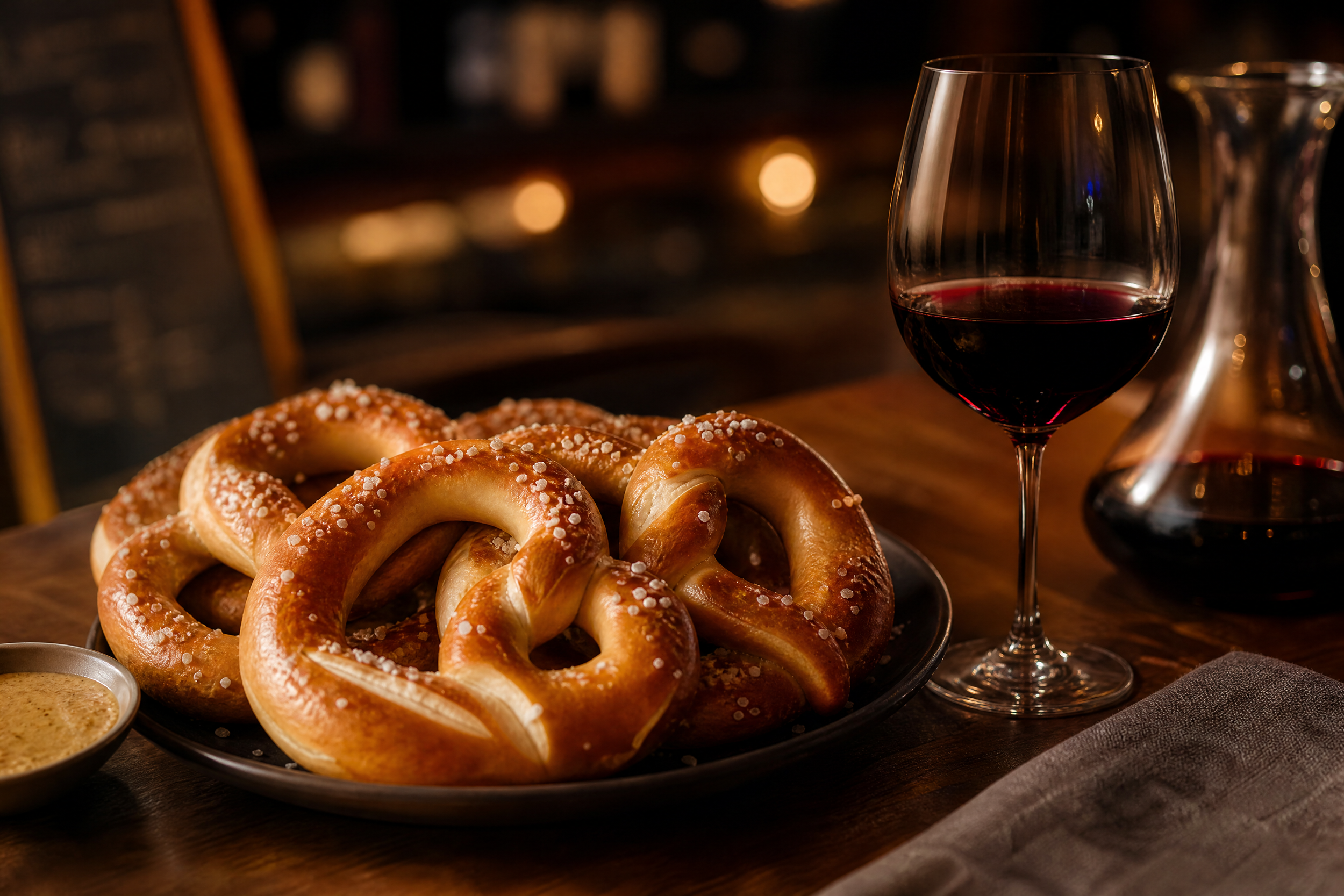
Most wine bars focus on small plates, charcuterie, cheeses, and shareable appetizers designed to complement wine. The food is intentionally lighter and more varied than restaurant fare, allowing guests to try different pairings. Tapas-style offerings might include cured meats, artisan cheeses, olives, nuts, soft pretzels, and simple prepared dishes that enhance rather than overwhelm the wine.
How much food should I order at a wine bar?
For a full evening, plan on two to three small plates per person ordered throughout your visit rather than all at once. If you're just stopping by for a drink, one shared plate is plenty. The key is ordering in waves—this keeps the experience relaxed and lets you match your food to whatever you're drinking at that moment.
Is it okay to just drink at a wine bar without ordering food?
Absolutely. Wine bars are designed for drinking wine, and ordering food is never required. That said, having something to nibble on enhances most wines and helps pace your evening. Even a small shared plate can make the experience more enjoyable, especially if you're staying for more than one glass.
What's the difference between a wine bar and a restaurant?
Wine bars prioritize the beverage program—curated wine selections, craft cocktails, and knowledgeable staff who can guide your choices. Food is complementary rather than central. Restaurants center the dining experience around full meals with wine as an accompaniment. Understanding this difference helps set expectations for what kind of evening you'll have at each.
About The Pip Wine Bar & Shop
The Pip is a curated wine bar and bottle shop in Downtown Dixon, California. We specialize in hand-selected wines from small producers, craft cocktails, and tapas-style small plates—all in a comfortable, welcoming environment. Our team helps guests discover wines they'll love without pretension or pressure. Whether you're a seasoned wine enthusiast or just starting to explore, we're here to make the experience enjoyable. Planning a private party or group outing? Reach out—it's one of our favorite things to host.
Works Cited
[1] Wine Folly — "How to Order Wine at a Restaurant." https://winefolly.com/tips/how-to-order-wine-at-a-restaurant/
[2] SevenFifty Daily — "The Rise of the Modern Wine Bar." https://daily.sevenfifty.com/the-rise-of-the-modern-wine-bar/
[3] VinePair — "What to Expect at a Wine Bar." https://vinepair.com/articles/what-to-expect-wine-bar/