How Much Does a Private Party at a Wine Bar Cost? A Realistic Budget Guide
So you're thinking about hosting a private party at a wine bar. Great choice—wine bars deliver atmosphere, quality drinks, and conversation-friendly spaces without requiring you to play bartender, decorator, and cleanup crew all at once.
But before you start picturing your crew settled into a cozy corner with curated pours and good company, you need to know: what does this actually cost?
We get this question constantly at The Pip Wine Bar & Shop here in Downtown Dixon, so we're breaking it down honestly—what drives pricing, what to expect, and how to plan with confidence.
The Quick Numbers
If you need the summary before diving deeper:
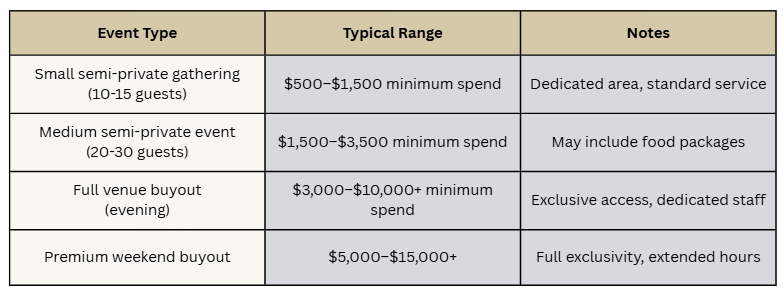
These figures come from hospitality industry benchmarks and represent general ranges—not specific venue quotes. Your local wine bar may fall anywhere within, above, or below these numbers depending on their size, market, and positioning.
Always request a custom quote for your specific event.
Why Wine Bar Private Party Pricing Varies So Much
Unlike hotel conference rooms with posted daily rates, wine bar events are customized by nature. A Tuesday evening gathering for 12 people sharing a few bottles looks completely different from a Saturday night buyout for 40 guests with a curated tasting menu and dedicated staff.
Most wine bars price private events based on a combination of factors rather than a single published number. Understanding these drivers helps you budget realistically—and ask smarter questions when you reach out.
The Major Cost Drivers
Minimum Spend Requirements
This is usually how it works. Most wine bars skip flat rental fees in favor of a food and beverage minimum—you agree to spend a certain amount, and in exchange, the space is yours.
What affects that minimum:
Day of week — weekends command higher minimums than weekdays
Time of day — prime evening hours cost more than afternoon slots
Guest count — more people generally means higher minimums
Space type — full buyouts versus semi-private areas
According to EventMB industry data, private dining minimums at restaurants and bars typically range from $1,000 to $10,000 or more depending on market and venue positioning [1]. Wine bars with intimate spaces often fall within that spectrum.
Venue or Space Fees
Some wine bars charge a flat room rental. Others waive it entirely if you hit a minimum spend threshold. A few do both—charging a reduced rental that gets credited toward your tab.
When room fees exist, they typically reflect the space's size and ambiance, how much revenue the venue loses by closing that area to regular guests, and the day and time you're booking.
Food and Beverage Selections
What you serve directly impacts your total.
Wine costs depend on format:
Wines by the glass (guests order individually)
Pre-selected bottles for the group
A hosted bar with a spending cap
A curated tasting flight experience
Premium bottles cost more than house selections. If the venue offers craft cocktails or wine slushies alongside wine, those options affect your spend too.
Food options at wine bars typically range from light bites and charcuterie boards to tapas-style spreads. Some venues bring in guest chefs or specialty vendors for special menus—adding to the experience and the bill.
Staffing and Service
Private events often require dedicated staff beyond regular floor coverage. Bartenders, servers, and event coordinators may be included in your minimum—or charged separately.
Most venues add service charges:
Automatic gratuity: typically 18-22%
This applies on top of your food and beverage spend
Confirm whether it's included in your quoted minimum or added after
Timing and Duration
Day of week matters significantly. A Sunday afternoon party typically costs less than a Friday or Saturday evening. Weekday events—especially Tuesday through Thursday—often offer the most flexibility and lowest minimums.
Duration affects pricing too. Most venues quote minimums for a standard 2-3 hour window. Extending your event may require additional spend commitments or hourly fees.
Holiday Season Pricing
November and December deserve special attention. These are peak months for private parties at wine bars everywhere. Expect higher minimums, limited availability, and the need to book further in advance.
If budget flexibility matters, consider January through March when venues are more accommodating and often eager to fill their calendar.
Full Buyout vs. Semi-Private Space
The difference is significant:
Semi-private: You reserve a dedicated area while the bar continues serving regular guests. Lower minimums, shared atmosphere.
Full buyout: The entire venue is exclusively yours. Premium pricing because the venue forgoes all other revenue for that time block.
Buyouts make sense for larger groups or celebrations where exclusivity matters. Semi-private works well when you want dedicated space without full buyout pricing.
Hidden Costs to Ask About Upfront
When getting quotes, make sure you understand the full picture:
Service charges and gratuity — often 18-22% added automatically
Tax — varies by state and locality
Outside food fees — if you're bringing a celebration cake or dessert
Setup or breakdown fees — rare at wine bars, but worth confirming
Deposits and cancellation policies — standard practice; know the terms
Overtime charges — if your event runs past the scheduled window
A quoted "$2,000 minimum" can become $2,500+ once service charges and tax are factored in. Better to understand everything before you commit.
How to Get the Best Value
Be Flexible on Timing
If your schedule allows, weekday evenings or weekend afternoons often come with lower minimums and better availability. The atmosphere can be just as wonderful without the Saturday-night premium.
Right-Size Your Guest List
More guests generally means higher minimums. But inviting too few people for a large space can backfire—you might hit the minimum spend while your party feels sparse.
Ask the venue what guest count works best for their space. They want your event to feel full and festive too.
Choose Curated Over Open Bar
Instead of an open bar where guests order freely (and unpredictably), consider:
Pre-selected bottles for the group
A tasting flight experience
A hosted bar with a set spending cap
These options give you cost control while still delivering a great experience. Wine bars excel at curating selections for groups—lean on that expertise.
Ask What's Negotiable
Minimums aren't always fixed—especially for off-peak times or larger groups. Worth asking:
"Is there flexibility on the minimum for a weekday evening?"
"If we guarantee a certain headcount, can you adjust the package?"
"What would a scaled-back version of this event look like?"
The worst they can say is no. Often, there's room to work together.
Why Wine Bars Work Well for Private Parties
Atmosphere does the heavy lifting. Wine bars deliver an intimate, curated vibe. The setting handles most of the decorating work for you.
Built-in experience. Your guests get quality pours, often with guidance or discovery baked in. More interesting than a standard cash bar.
Designed for lingering. The best wine bars are built for comfortable, extended hangs. People settle in, conversations flow, and the event feels relaxed rather than rushed.
Simplicity. Food, drinks, space, and ambiance come together in one place. Less coordination headache for you.
For celebrations where connection matters more than formality—birthdays, reunions, bridal gatherings, group outings—a wine bar private party hits the right note.
Questions to Ask When You Inquire
Come prepared with:
Your preferred date(s) and time window
Estimated guest count
The type of event (birthday, corporate, reunion, etc.)
Your approximate budget range
Any must-haves (dietary needs, specific wines, AV equipment)
Ask the venue:
What's your minimum spend for this date and group size?
What does that include?
Are service charges and tax additional?
What's your deposit and cancellation policy?
Can you accommodate outside cake or dessert?
How far in advance do you need to book?
Good venues appreciate prepared guests. It makes planning easier for everyone.
Ready to Start Planning?
A private party at a wine bar can be surprisingly approachable—or delightfully elevated—depending on what you're after. The key is understanding what drives costs so you can make choices that fit both your budget and your vision.
If you're in the Dixon area and thinking about hosting a private gathering, we'd love to hear from you. Private parties happen to be one of our favorite things to host—there's something special about helping people celebrate in a space that's comfortable, curated, and built for exactly this kind of thing.
Dixon also happens to be a great halfway meeting point—between the Bay Area and Sacramento, Napa and the Valley, or on the way to Tahoe. We've hosted plenty of groups who picked our downtown spot specifically because it's easy for everyone to get to and comfortable enough to hang out for a few hours.
Reach out, tell us what you're imagining, and we'll help you figure out what's possible.
Come hang out—or better yet, bring your whole crew.
Frequently Asked Questions
What's the average cost of a private party at a wine bar?
Most wine bars use minimum spend requirements rather than flat fees, typically ranging from $500 for small semi-private gatherings to $10,000 or more for full venue buyouts on premium nights. Your actual cost depends heavily on guest count, day of week, duration, and what's included. Always request a custom quote—ranges you find online are starting points for conversation, not guarantees.
Do wine bars charge a room rental fee for private events?
Policies vary significantly by venue. Many wine bars waive room fees entirely if you meet a food and beverage minimum. Others charge a reduced rental that gets credited toward your final tab. Some charge both rental and require a minimum spend. The only way to know is to ask directly when you inquire about your specific event.
What's typically included in a wine bar private party package?
Most packages include exclusive or semi-private use of the space, dedicated service staff, and access to food and beverage options at menu prices counting toward your minimum. Some venues bundle appetizers or tastings into packages; others price everything separately. Service charges (usually 18-22%) and tax are almost always additional—confirm exactly what's included before committing.
Can I bring my own cake to a wine bar private event?

Most wine bars accommodate outside celebration cakes, sometimes with a small cutting fee. Policies vary, so ask during your initial inquiry. Bringing your own wine is typically not allowed since that's the venue's core offering—though some make exceptions for truly special bottles on significant occasions.
How far in advance should I book a wine bar for a private party?
For weekend evenings and popular dates, four to six weeks ahead is wise—sometimes more during November and December holiday season when private party demand peaks. Weekday events typically offer more flexibility and shorter booking windows. Contact the venue early to check availability, even if you're still finalizing details.
Why We Wrote This Guide
At The Pip Wine Bar & Shop, private parties are genuinely one of our favorite things we do. We wrote this guide because we kept getting the same questions—and because most of what's out there online is either too vague to be useful or too sales-focused to be trustworthy.
We're a woman-owned wine bar and bottle shop in Downtown Dixon, California. We specialize in curated wines, craft cocktails, wine slushies, and creating a comfortable space where people actually want to linger. We've hosted enough private events to know what questions people really need answered.
If you're planning a private party in the Dixon area—or looking for that perfect halfway meeting spot between Sacramento, the Bay Area, Napa, or Tahoe—we'd love to help you figure out what works.
Cited Works
[1] EventMB — "Private Dining and Event Space Pricing Benchmarks." https://www.eventmanagerblog.com/
[2] Peerspace — "How to Price Private Event Spaces." https://www.peerspace.com/