Birthday Party at a Wine Bar: The Complete Planning Checklist for Seating, Timeline, Dessert, and Decorations

Throwing a birthday party at a wine bar is a smart move. The ambiance is already dialed in—warm lighting, curated drinks, and a space that feels like a celebration before the first guest arrives.
Wine bars operate differently than traditional event venues, though. The pacing is slower. The space is intimate. And the whole experience depends on flow, not just food.
This checklist walks you through everything from first inquiry to final toast, with the details that actually matter when you're planning around a wine bar's rhythm.
Why Wine Bars Work for Birthday Celebrations
Wine bars have become a go-to for adult birthday parties because the space does most of the work. You don't need elaborate decorations when the room already feels warm and inviting.
Experiential dining—where atmosphere and drink quality matter as much as the meal—continues to drive how people choose where to celebrate [1]. Wine bars fit that perfectly.
Here's what makes them ideal:
Built-in sophistication without the stuffiness
Flexible formats for intimate groups or larger gatherings
Expert guidance so guests discover wines they actually enjoy
Tapas-style menus that encourage mingling over sitting in one spot all night
The key is understanding how wine bars flow and planning around that rhythm.
The Complete Birthday Party at a Wine Bar Checklist
Phase One: Initial Planning (4–6 Weeks Out)
Nail down the basics first. Before you call anywhere, get clear on your own details.
[ ] Confirm your guest count (be honest—wine bar spaces are intimate)
[ ] Set your budget range for drinks, food, and any minimum spend requirements
[ ] Choose 2–3 potential dates with flexibility for venue availability
[ ] Decide on the vibe: casual hang vs. structured tasting vs. full celebration
Reach out to the venue. Contact them directly rather than booking online. Private parties often work differently than regular reservations.
Ask about:
[ ] Private or semi-private space availability
[ ] Minimum spend requirements (common for reserved spaces)
[ ] Time block options (two hours? three?)
[ ] Deposit and cancellation policies
[ ] Lead time needed to secure your date
Worth knowing: Many wine bars love hosting private parties—they're fun for the team and great for business. Don't be shy about asking what's possible. Options that aren't listed on the website are often available.
Phase Two: Seating and Space Configuration
Wine bar seating is designed for conversation, not rows of chairs facing a head table. Work with that, not against it.
Understand the layout options:
[ ] Ask for a diagram or walkthrough of the private/reserved space
[ ] Clarify maximum comfortable capacity (not just maximum legal capacity)
[ ] Discuss seating arrangements: communal tables, lounge seating, standing room, or a mix
Seating considerations for wine bars:
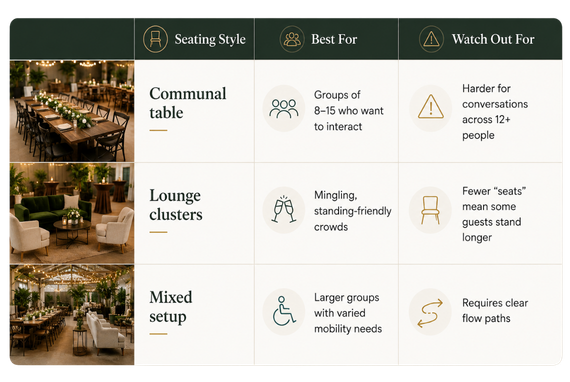
[ ] Confirm accessibility for any guests who need it
[ ] Ask about coat/bag storage (wine bars are often cozy—extra stuff clutters fast)
[ ] Plan where the guest of honor will be stationed for toasts
Flow matters more than you'd expect. Wine bar parties work best when guests can move between conversations. Avoid blocking the bar or creating bottleneck zones where people cluster awkwardly.
Phase Three: Building Your Timeline
This is where wine bar parties differ most from restaurant events. The pacing is leisurely. Plan for it.
Sample 3-hour wine bar birthday timeline:
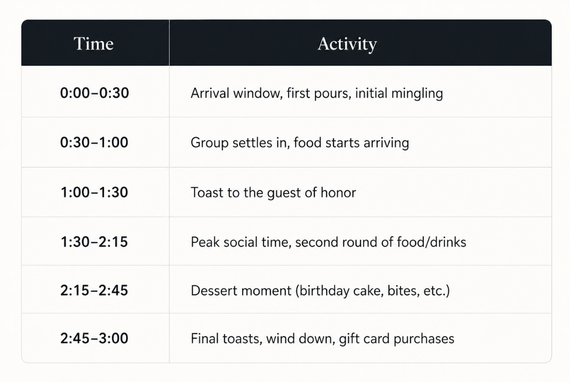
Timeline tips:
[ ] Don't over-schedule. Wine bars thrive on relaxed pacing.
[ ] Build in a 15–20 minute arrival buffer (people are always late)
[ ] Coordinate food timing with the venue—tapas-style dishes come out differently than plated courses
[ ] Plan your toast for after guests have had at least one drink
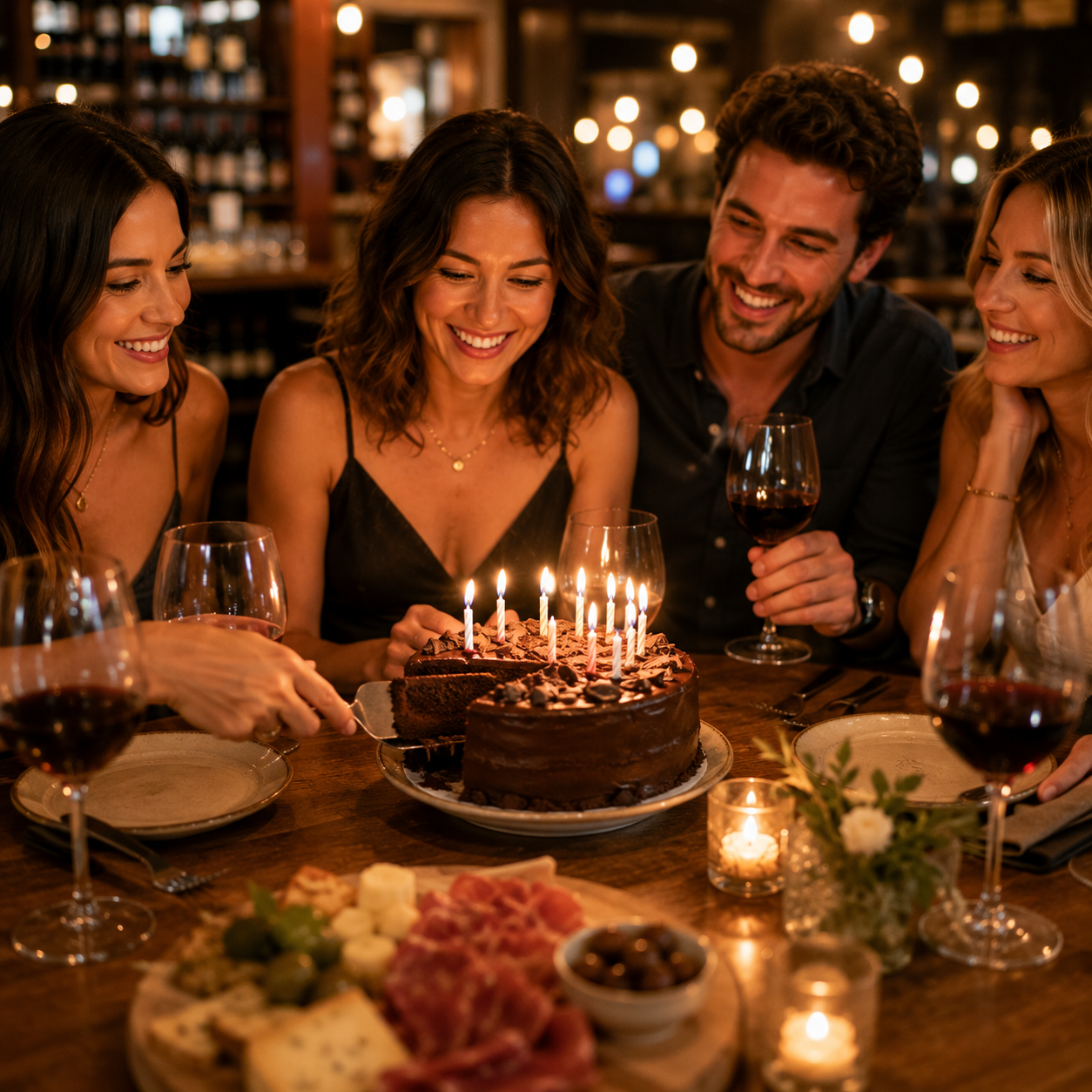
[ ] Keep the "official" birthday moment (cake, candles, singing) to one clear window
Phase Four: The Dessert and Outside Items Question
This causes more last-minute stress than almost anything else. Ask early.
What you need to clarify with the venue:
[ ] Can you bring an outside birthday cake? (Policies vary widely)
[ ] Are there fees for outside desserts?
[ ] Does the venue offer dessert options you could use instead?
[ ] Can they store a cake in their fridge, or does it need to arrive just before serving?
[ ] Do they provide plates, forks, and serving utensils for outside items?
If bringing outside dessert:
[ ] Confirm drop-off timing and who will receive it
[ ] Bring your own candles and a lighter (don't assume the venue has them)
[ ] Keep it simple—elaborate tiered cakes are tough in intimate spaces
[ ] Consider alternatives: a wine-paired dessert flight, a simple sheet cake, or cupcakes for easy distribution
What's usually allowed vs. what to ask about:
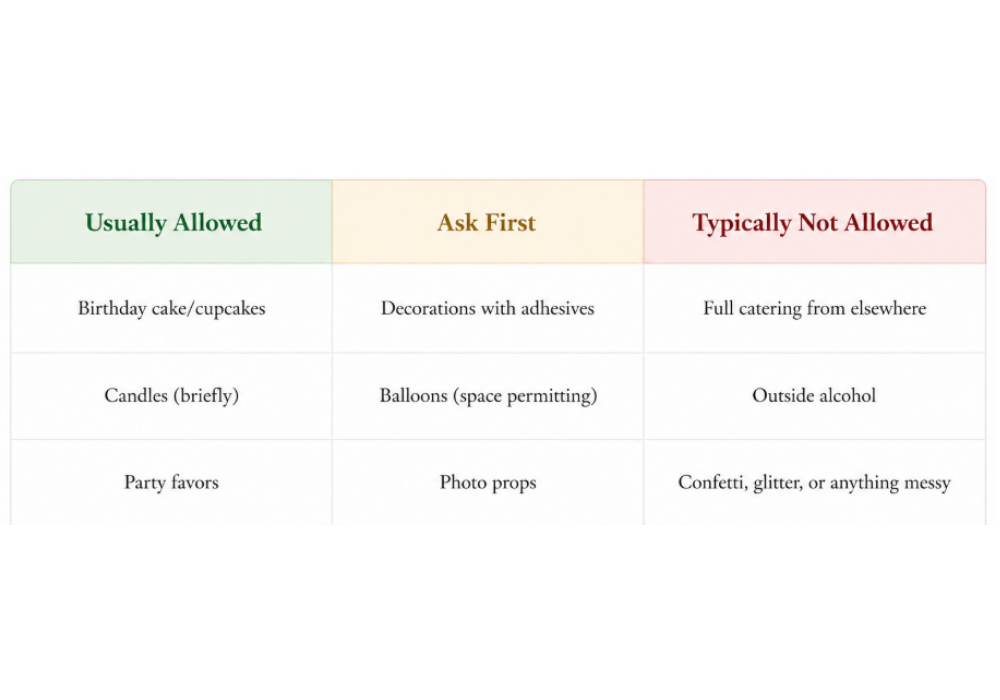
Policies vary by venue, so always confirm specifics before your party date.
Phase Five: Decorations That Work in Wine Bar Spaces
Less is genuinely more here. The space already looks good. Your job is to add personal touches without overwhelming the aesthetic.
Decorations that work well:
[ ] A small "Happy Birthday" banner or sign (removable, no adhesives)
[ ] Fresh flowers in a simple vase for the table
[ ] Photo display of the guest of honor (framed or on an easel)
[ ] Elegant table numbers or place cards if doing assigned seating
[ ] A small gift table near the entrance
What to skip:
[ ] Balloon arches or large balloon displays (they dominate small spaces)
[ ] Hanging decorations that require tape or hooks
[ ] Anything with glitter, confetti, or small pieces
[ ] Themed decorations that clash with the venue's vibe
[ ] Excessive signage
Ask the venue:
[ ] What time can you arrive early to set up?
[ ] Are there any decoration restrictions?
[ ] Do they have any house décor items they can add (candles, flowers)?
[ ] Who's responsible for takedown at the end?
Smart move: Take a few photos during your venue visit and plan decorations around what's already there rather than trying to transform the space.
Phase Six: Food and Drink Planning
Wine bars typically offer tapas-style menus—small plates meant for sharing and grazing, not full entrée-style meals.
Food considerations:
[ ] Plan for approximately 4–6 small plates per person over a 2–3 hour event [2]
[ ] Mix proteins, cheeses, and lighter bites for variety
[ ] Ask about dietary accommodations (vegetarian, gluten-free, etc.)
[ ] Confirm whether you're ordering from the menu or selecting a preset spread
[ ] Discuss timing: all at once, or in waves?
Drink considerations:
[ ] Ask if the venue offers bottle service, by-the-glass pours, or both
[ ] Consider a curated flight or group tasting if the venue offers them
[ ] Don't forget non-wine drinkers—ask about craft cocktails, beer, and non-alcoholic options
[ ] Discuss whether you'll run a tab, prepay, or let guests order individually
Budget tip: Many venues can suggest packages or pairings that give you better value than à la carte ordering. Just ask what they recommend for groups your size.
Phase Seven: Handling the Bill
How you manage payment shapes the whole guest experience—and your stress level. Sort this out in advance.
Payment options to discuss with the venue:
[ ] Host-paid tab: You cover everything up to a set amount
[ ] Limited host tab: You cover wine and food; guests pay for cocktails or upgrades
[ ] Drink tickets: Each guest gets a set number of drinks; they pay for extras
[ ] Guest-pays: Everyone handles their own bill (less common for private parties)
[ ] Prepaid package: Fixed per-person cost paid in advance
Logistics to confirm:
[ ] Can you set a spending cap on a host tab?
[ ] How does the venue handle overages?
[ ] Will gratuity be added automatically? (Common for groups)
[ ] When is final payment due—end of party or in advance?
[ ] Can you review the itemized bill before closing out?
Practical tip: If running a tab, let your server know your limit early. They can give you a heads-up as you approach it rather than surprising you at the end.
Phase Eight: Communication and Guest Management
Clear communication prevents confusion and no-shows.
Before the party:
[ ] Send invitations 3–4 weeks out with clear RSVP deadlines
[ ] Include the venue name, address, and parking information
[ ] Note any dress code expectations (wine bars tend toward smart casual)
[ ] Mention that it's a wine bar so guests know what to expect food-wise
[ ] Provide your contact info for day-of questions
What to communicate to guests:
The format: "We'll be sipping wine and sharing small plates for a few hours—it's a hang, not a sit-down dinner."
Parking specifics: Downtown wine bars sometimes have unique parking situations.
Start time expectations: "Arrive between 6 and 6:30—we'll toast around 7."
Day-of details:
[ ] Confirm final headcount with venue 48–72 hours before
[ ] Designate someone to greet guests if you'll be busy
[ ] Have the venue's phone number saved in case of last-minute issues
[ ] Plan how gifts will be handled (collected at entrance vs. displayed vs. opened)
Phase Nine: Day-Of Execution
You've done the planning. Now enjoy it.
Arrival checklist:
[ ] Arrive at your designated setup time
[ ] Do a quick walkthrough with your venue contact
[ ] Confirm the timeline and any food/drink coordination
[ ] Set up decorations and personal items
[ ] Designate a "point person" for photos and keeping things on track
During the party:
[ ] Greet guests as they arrive and point them toward the bar
[ ] Let people settle in before any formal activities
[ ] Keep toasts short and sweet (under 2 minutes)
[ ] Move through the dessert moment without rushing
[ ] Thank the venue staff—they're making your party happen
Wrap-up:
[ ] Collect any gifts and personal items
[ ] Take down decorations and check for forgotten belongings
[ ] Settle any remaining tab or charges
[ ] Thank the team on your way out
Making It Feel Effortless
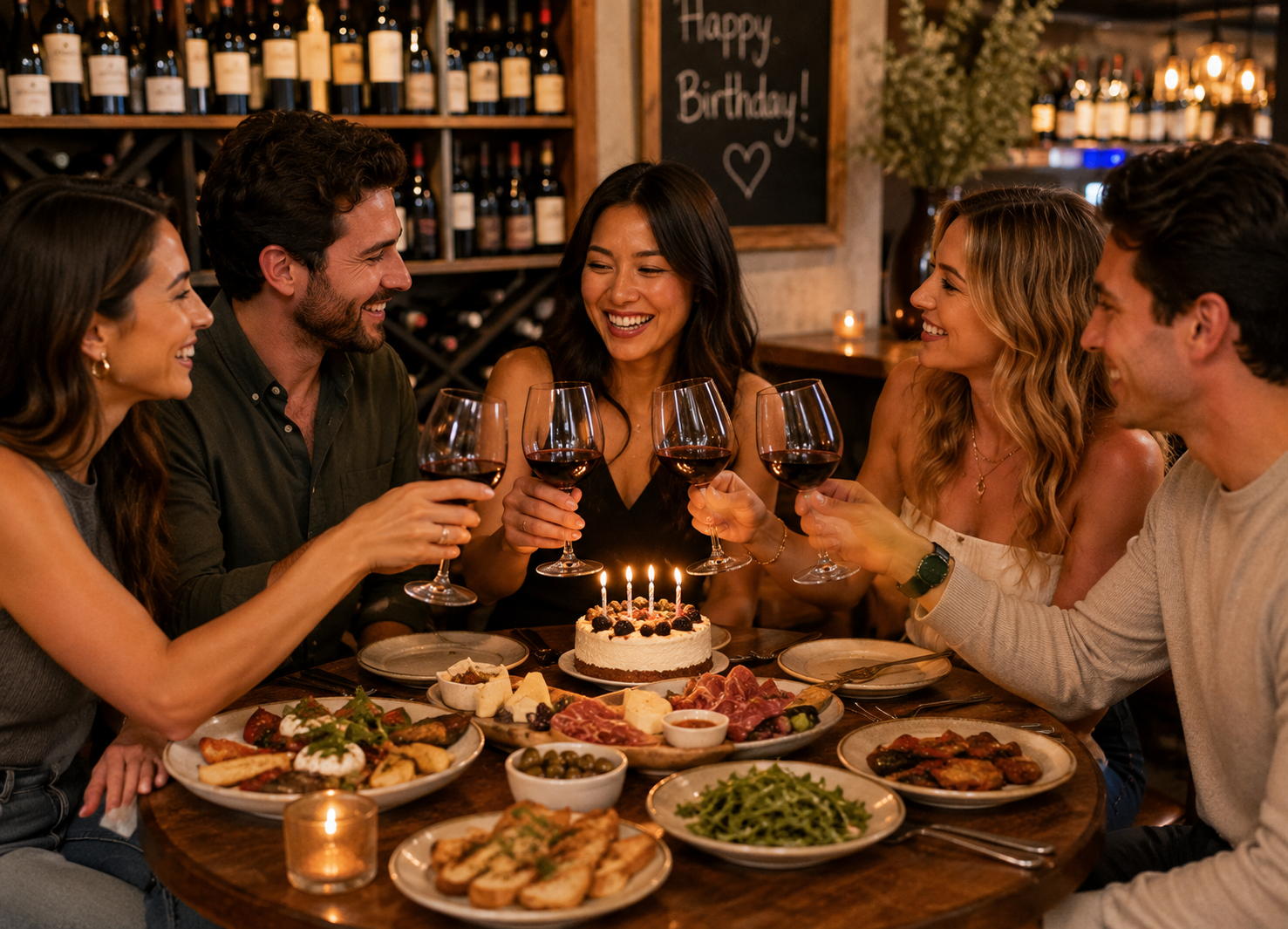
The best birthday parties at wine bars feel easy—like friends gathered in someone's impossibly stylish living room with really good wine.
That ease comes from handling the details early so you're not stressed day-of. Work with the venue, not around it. Embrace the relaxed pace. And focus on the point of the whole thing: celebrating someone you care about in a space that feels special.
Planning a birthday party and looking for the right spot? Come in and see us at The Pip Wine Bar & Shop in Downtown Dixon. Private parties are our favorite—reach out and let's make it happen.
Frequently Asked Questions
How far in advance should I book a wine bar for a birthday party?
Most wine bars recommend booking 4–6 weeks ahead for private or semi-private events, though popular dates like weekends and holidays may require more lead time. Contact the venue as soon as you have a rough guest count and preferred date range to check availability and discuss options for group reservations.
Can I bring my own birthday cake to a wine bar?
Policies vary by venue, so always ask before assuming. Many wine bars allow outside desserts like birthday cakes with advance notice, though some may charge a small service fee. Confirm whether they can store it, provide serving utensils, and whether you need to bring your own candles and lighter.
What's the typical cost for a private wine bar birthday party?
Costs depend on your guest count, drinks consumed, and whether the venue has minimum spend requirements for reserved spaces. Plan your budget around drinks (your biggest variable), shared food plates, any deposits, and automatic gratuity. Most venues can suggest packages once they know your group size and preferences.
How long should a wine bar birthday party last?
Two to three hours is the sweet spot for most wine bar birthday parties. This allows time for guests to arrive, mingle, enjoy drinks and food, have a toast, and do the birthday dessert moment without feeling rushed. Work with your venue on specific time block options when you book.
What should guests expect at a wine bar birthday party?
Guests should expect a relaxed, social atmosphere with wine (plus cocktails and other drinks), shared small plates rather than full meals, and plenty of conversation. It's more of a sophisticated hang than a traditional dinner party—comfortable, curated, and designed for mingling rather than sitting in assigned seats all night.
About This Guide
This planning guide was created by The Pip Wine Bar & Shop, a curated wine bar and bottle shop in the heart of Downtown Dixon, California. We host private parties regularly and know what makes them work—and what trips people up. Our team combines hands-on event hosting experience with a passion for helping guests discover wines they'll actually love. Whether you're planning your first wine bar event or your tenth, we're happy to help you figure out the details.
Works Cited
[1] National Restaurant Association — "2024 State of the Restaurant Industry Report." https://restaurant.org/research-and-media/research/research-reports/state-of-the-industry/
[2] Event industry standard for tapas-style catering suggests 4–6 small plates per guest for events lasting 2–3 hours, allowing for adequate variety and satisfaction without over-ordering.