
Wine & Cheese Pairing for Beginners: 10 Easy Pairings for Hosting (No Snobbery)

Wine and cheese pairing
10 FOOLPROOF COMBI
You're hosting. The cheese board is assembled. And now you're staring at your wine options wondering if you're about to commit some unforgivable pairing crime.
Deep breath. Wine and cheese pairing for beginners isn't the complicated science that sommelier guides make it out to be. The truth? Most wines go reasonably well with most cheeses. The goal isn't perfection—it's enjoying good food and drink with people you like.
This guide gives you ten foolproof pairings that work every time. No memorizing grape varietals. No French pronunciation tests. Just a simple approach that makes you look like you know exactly what you're doing.
Why Wine and Cheese Work Together (The Simple Version)
Wine and cheese have been best friends for centuries, and there's actual science behind the magic. Cheese contains fat and protein that coat your mouth. Wine's acidity cuts through that richness, essentially "cleansing" your palate between bites [1]. The result? Each sip and each bite tastes better because of the other.
That's really all you need to know about the why. Let's get to the what.
The Safe Pairing Matrix: Your Cheat Sheet
Forget memorizing dozens of rules. This matrix works for 90% of situations:
Keep this mental framework, and you'll never panic at a cheese counter again.
10 Easy Wine and Cheese Pairings That Always Work
1. Brie + Champagne (or Any Sparkling Wine)
This is the pairing that makes people think you're fancy. The bubbles in Champagne or Prosecco slice right through Brie's buttery richness [2]. Every bite resets your palate for the next sip.
Budget-friendly swap: Any dry sparkling wine works beautifully here. You don't need actual Champagne—Cava or domestic sparkling wines do the job at a fraction of the price.
2. Goat Cheese + Sauvignon Blanc
Tangy meets tangy in the best possible way. Sauvignon Blanc's bright acidity mirrors goat cheese's characteristic zip, creating a pairing that feels like they were made for each other [3]. The herbal notes in many Sauvignon Blancs complement goat cheese's earthy undertones.
Serving tip: Add a drizzle of honey to your goat cheese and watch this pairing transform into something even more interesting.
3. Fresh Mozzarella + Rosé
Light, fresh, and absolutely perfect for warm-weather hosting. Rosé's delicate fruit flavors don't overwhelm mozzarella's subtle milky sweetness. This pairing practically screams "relaxed summer evening."
Make it a moment: Serve with fresh tomatoes and basil. Instant caprese situation that requires zero cooking skills.
4. Gruyère + Chardonnay
Nutty meets nutty. Gruyère's toasty, slightly sweet character pairs beautifully with an oaked Chardonnay's buttery texture [4]. If your Chardonnay is unoaked (crisper, more acidic), it still works—the contrast creates its own appeal.
Why it works: Both have enough weight and complexity to stand up to each other without either getting lost.
5. Aged Cheddar + Pinot Noir
Finally, a red wine pairing. Pinot Noir is the light red that plays well with almost any cheese because it's not too tannic (that drying feeling like strong tea). Aged cheddar's sharp, crystalline texture finds a perfect dance partner in Pinot's earthy cherry notes.
The rule to remember: The older and sharper the cheddar, the better it handles red wine.
6. Manchego + Tempranillo (or Any Spanish Red)
Regional pairings exist for a reason—people in the same place have been enjoying them together for generations. Spanish Manchego and Spanish Tempranillo are a classic combination. The cheese's nutty, slightly salty character complements Tempranillo's medium body and dried fruit notes [5].
Can't find Tempranillo? A Garnacha or medium-bodied Rioja works just as well.
7. Parmesan + Prosecco
Hard, salty, intensely savory Parmesan needs something refreshing to balance it out. Enter Prosecco—Italy's famous sparkling wine that originated in the same country as Parmigiano-Reggiano. The bubbles and subtle sweetness create a beautiful contrast with the cheese's umami punch.
Hosting move: Serve Parmesan in irregular chunks (not slices) with a drizzle of good balsamic. Your guests will think you've done this before.
8. Camembert + Pinot Gris
Camembert is Brie's earthier, more mushroomy cousin. Pinot Gris (or Pinot Grigio, depending on where it's from) offers enough body to match Camembert's depth while maintaining the crisp acidity that cuts through all that cream.
Temperature matters: Let both the wine and cheese come to cool room temperature for the best flavor expression.
9. Blue Cheese + Sparkling Wine
This pairing surprises people, but it works brilliantly. The effervescence in sparkling wine helps manage blue cheese's intensity, while the wine's subtle sweetness (yes, even "dry" sparklings have a touch) tames the funk [6]. It's contrast done right.
Not a blue cheese person? Start with a milder Gorgonzola Dolce before graduating to Roquefort.
10. Fontina + Rosé
Fontina is the ultimate crowd-pleaser cheese—semi-soft, mild, slightly nutty, and melts like a dream. Pair it with a dry rosé and you've got an easy-drinking, easy-eating combination that literally no one will complain about.
This is your "I don't know what everyone likes" pairing. Safe, delicious, done.
Quick Pairing Principles (When You're Improvising)
Sometimes you're standing in a wine shop with whatever cheese you grabbed, trying to figure it out in real time. These principles help:
Match intensity to intensity. Delicate cheese? Delicate wine. Bold cheese? Wine that can hold its own.
Acidity is your friend. Wines with good acidity (sparklings, Sauvignon Blanc, many rosés) pair well with almost any cheese because they refresh your palate.
When in doubt, go local. Cheeses and wines from the same region often pair well together—they evolved alongside each other.
Sweet handles funky. If your cheese is aggressively pungent, a touch of sweetness in your wine helps balance things out.
What About Red Wine and Cheese?
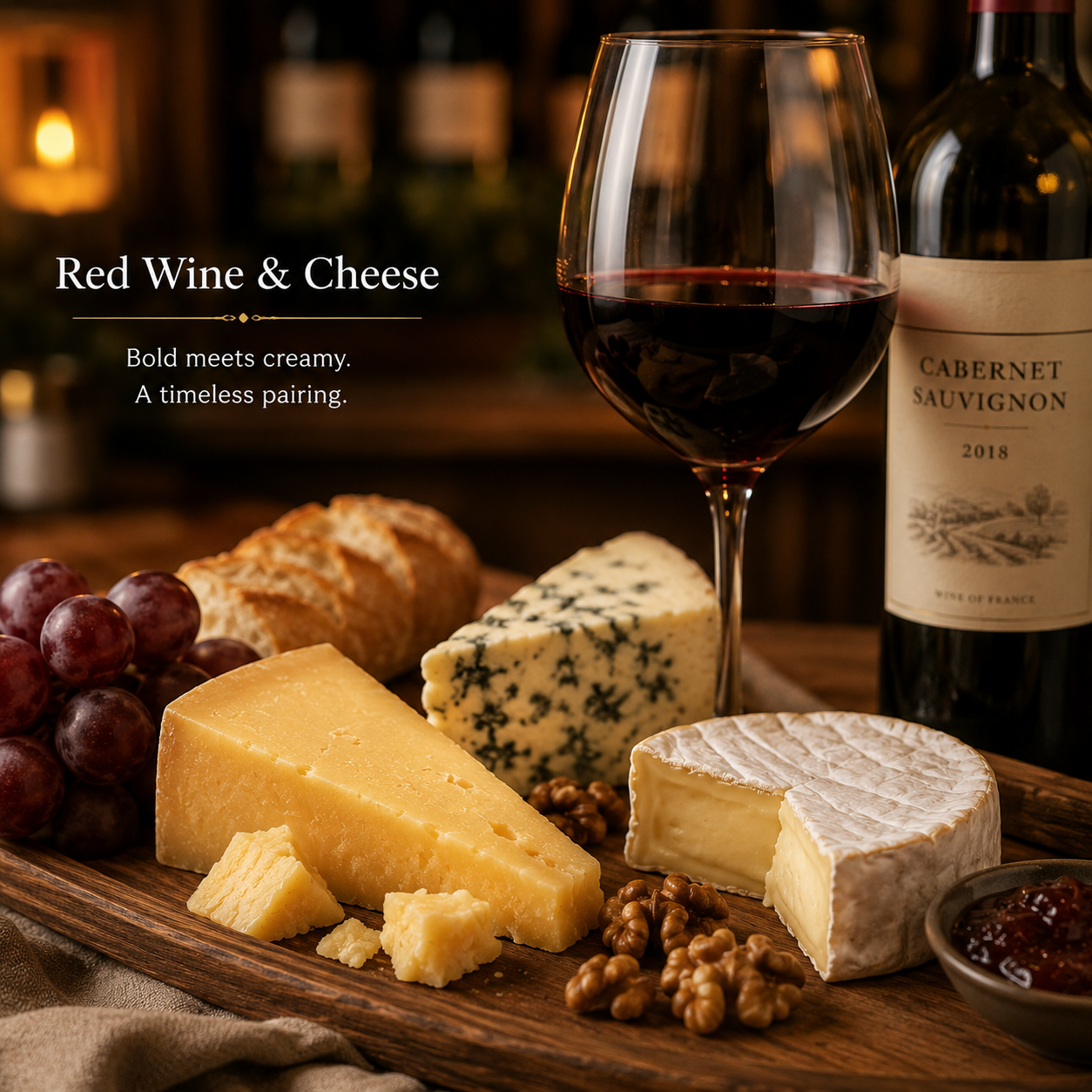
Here's something most "expert" guides won't tell you directly: red wine is actually harder to pair with cheese than white wine or sparkling [7]. Those tannins that give red wine its structure can clash with certain cheeses, creating metallic or bitter flavors.
That doesn't mean avoid red wine. It means:
Stick to light reds like Pinot Noir, Gamay, or lighter Grenache blends
Choose aged, hard cheeses that can handle more structure
Avoid pairing tannic reds with creamy fresh cheeses—that's where things go sideways
If you love bold reds, pair them with aged Gouda, aged cheddar, or hard sheep's milk cheeses. These have enough fat and flavor to stand up to bigger wines.
Building a Foolproof Cheese Board for Wine
Want to cover all your bases? Build your board with variety:
Include one from each category:
One fresh/creamy (goat cheese, fresh mozzarella, burrata)
One soft/bloomy (Brie, Camembert)
One semi-hard (Gruyère, Fontina, young cheddar)
One hard/aged (Parmesan, aged Manchego, aged cheddar)
Then pick wines that span the spectrum:
One sparkling (covers fresh and soft cheeses beautifully)
One crisp white or rosé (handles soft through semi-hard)
One light red (takes care of aged and hard options)
With this setup, every guest finds something they love, and every wine has cheese partners that work.
Common Pairing Mistakes to Skip
Over-thinking it. Analysis paralysis helps no one. Pick something from this list and move on.
Matching wine price to cheese "fanciness." A $15 wine can pair better than a $50 bottle if the flavors actually complement each other.
Serving cheese ice cold. Cheese straight from the fridge tastes muted. Pull it out 30-45 minutes before serving.
Ignoring what you actually like. If you hate blue cheese, no "perfect pairing" changes that. Start with cheeses you enjoy.
Ready to Explore Beyond the Basics?
Once you've nailed these ten pairings, you'll start noticing what you prefer. Maybe you discover you love the way sparkling wine makes everything taste better. Maybe aged cheeses with light reds become your signature move.
That's the whole point—building your own palate, your own preferences, your own hosting style.
The best way to learn more? Taste more. Ask questions. Talk to people who love this stuff and can guide you toward discoveries you wouldn't make on your own.
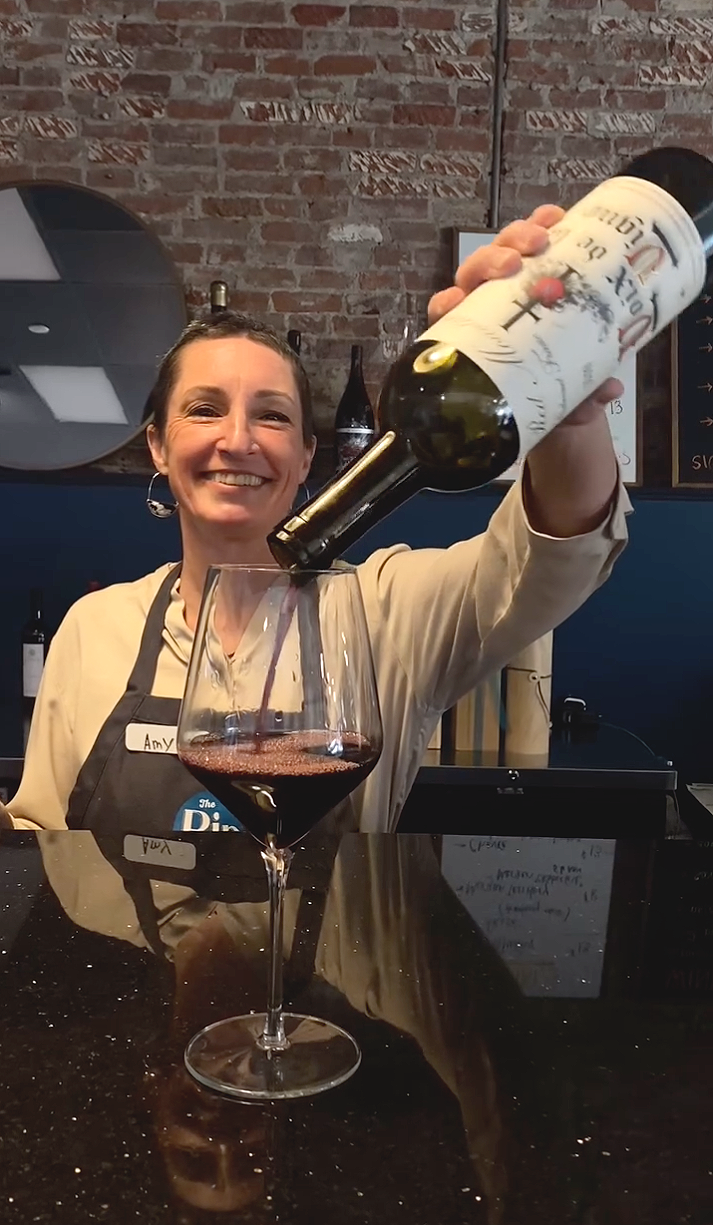
Looking for curated bottles you won't find at the grocery store—and someone to help you figure out what to pair with your next cheese board? Come hang out with us at The Pip Wine Bar & Shop in Downtown Dixon. We'll guide you toward wines worth bringing home.
Frequently Asked Questions
What wine goes with a cheese board?
Sparkling wine is the most versatile choice for cheese boards because its bubbles and acidity complement everything from fresh goat cheese to aged cheddar. If you want options, add a crisp white like Sauvignon Blanc and a light red like Pinot Noir—together, these three styles cover virtually any cheese you'll serve.
Is red or white wine better with cheese?
White wine and sparkling wine actually pair more easily with most cheeses than red wine does. Red wine's tannins can clash with creamy fresh cheeses. That said, light reds like Pinot Noir work beautifully with aged, hard cheeses. Match intensity to intensity and you'll be fine with either.
What cheese goes with rosé wine?
Rosé pairs wonderfully with soft to semi-hard cheeses like fresh mozzarella, Fontina, young goat cheese, and mild Brie. Its versatility—somewhere between white and red—makes it a safe crowd-pleaser for cheese boards with mixed selections. Dry rosé is particularly food-friendly.
Can you pair sparkling wine with cheese?
Absolutely—sparkling wine is arguably the best wine style for cheese pairing. The bubbles and acidity cut through rich, creamy cheeses like Brie and fresh mozzarella, while the subtle sweetness balances stronger blue cheeses. Champagne, Prosecco, and Cava all work beautifully.
What's the easiest wine and cheese pairing for beginners?
Start with Brie and sparkling wine. It's foolproof, impressive, and teaches you the fundamental principle of why wine and cheese work together—acidity and bubbles cutting through richness. Once you understand that pairing, the rest becomes intuitive.
About Our Expertise
The Pip Wine Bar & Shop is a curated wine bar and bottle shop in Downtown Dixon, California. We specialize in hand-selected wines from small producers—the kind of interesting bottles you won't find at big-box stores. Our team helps guests discover wines they love through low-pressure guidance, whether you're a complete beginner or a seasoned enthusiast looking for something new. We believe good wine should feel approachable, and we're always happy to help you find the right bottle for your next gathering.
Cited Works
[1] Wine Folly — "Wine and Cheese Pairing Ideas." https://winefolly.com/tips/wine-and-cheese-pairing-ideas/
[2] MasterClass — "Wine and Cheese Pairing Guide." https://www.masterclass.com/articles/wine-and-cheese-pairing-guide
[3] Wine Enthusiast — "The Science of Wine and Cheese Pairing." https://www.winemag.com/2019/10/11/wine-cheese-pairing-science/
[4] Food & Wine — "The Best Wine and Cheese Pairings." https://www.foodandwine.com/wine/best-wine-and-cheese-pairings
[5] Decanter — "Spanish Wine and Cheese Pairings." https://www.decanter.com/learn/spanish-wine-cheese-pairings/
[6] VinePair — "A Guide to Pairing Wine and Cheese." https://vinepair.com/articles/guide-pairing-wine-cheese/
[7] Guild of Sommeliers — "Principles of Wine and Food Pairing." https://www.guildsomm.com/