
Build a Home Wine Collection on Any Budget: A 12-Bottle Starter Plan
Starting a home wine collection can feel like you need a basement cellar, a temperature-controlled unit, and bottles that cost more than your monthly rent. That's the intimidating version of wine collecting—the one that keeps most people from ever starting.
Here's what actually matters: a simple system that helps you keep the right bottles on hand for the moments that matter. Date night. Unexpected guests. A Tuesday dinner when you want something better than whatever's already open in the fridge.
Building a home wine collection isn't about impressing anyone or investing in rare vintages. It's about having wines you genuinely enjoy, ready when you want them. And you can absolutely do this on any budget, starting this week.
Why a 12-Bottle Collection Makes Sense
Twelve bottles hits the sweet spot between enough variety to cover your bases and a manageable number that won't overwhelm your space or your wallet. Think of it like a capsule wardrobe for wine—you're not trying to own everything, just the right things.
With 12 bottles, you can have options for different occasions, different foods, and different moods. You'll always have something appropriate to open, whether you're grilling burgers on a Wednesday or celebrating a job promotion with friends. The goal is a functional collection that actually gets used rather than a decorative one that collects dust while you wait for an occasion that feels "special enough."
Understanding your own preferences is the foundation of any meaningful collection. This isn't about following rules or buying what experts tell you to buy. It's about knowing what you like, building from there, and discovering new favorites along the way.
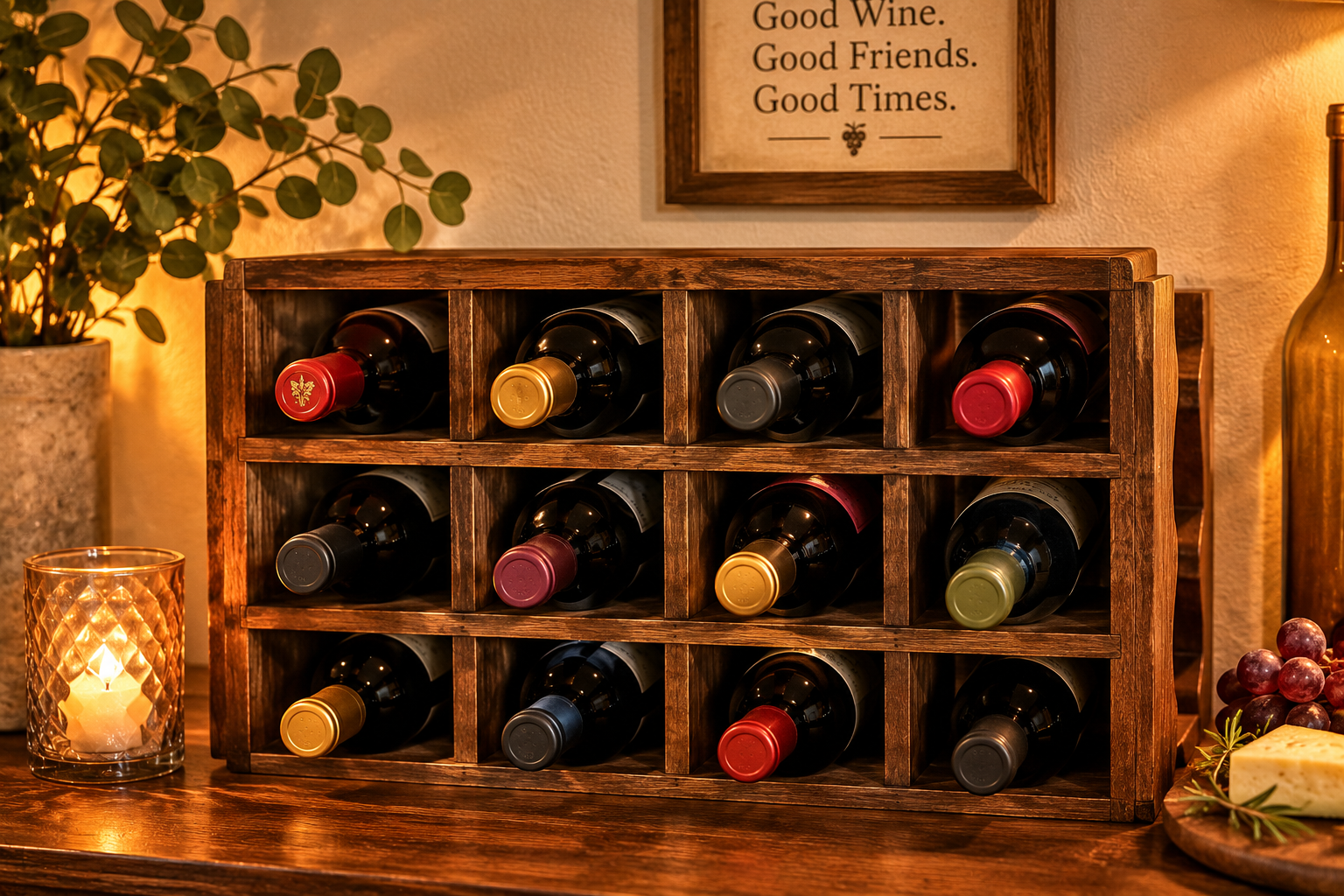
The 12-Bottle Framework: Organized by Occasion
The simplest way to structure a starter collection is by organizing around how you'll actually use the wines. Within each occasion category, you'll want variety in taste profiles—some lighter and crisp, some bold and rich—so you're covered no matter what you're eating or how you're feeling.
Everyday Wines (4 bottles)
These are your workhorses. Bottles you open on a regular weeknight without overthinking it or feeling like you're "wasting" something special.
1 crisp white (Sauvignon Blanc, Pinot Grigio, or Albariño)
1 versatile rosé (dry, not sweet—these work year-round, not just summer)
1 medium red (Côtes du Rhône, Garnacha, or a lighter Merlot)
1 bold red (Malbec, Zinfandel, or Cabernet Sauvignon)
Entertaining Wines (4 bottles)
For when company comes over or you're bringing something to a friend's place. These should be crowd-pleasers that spark conversation without requiring a wine degree to appreciate.
1 sparkling wine (Crémant, Cava, or Prosecco—save the Champagne for celebrations)
1 crowd-pleasing white (Chardonnay or Viognier)
1 food-friendly red (Pinot Noir or Barbera—these play nice with almost any dish)
1 conversation-starter (something unusual—an orange wine, a Pétillant Naturel, or a regional gem most people haven't tried)
Special Occasion Wines (4 bottles)
Bottles worth waiting for. Celebrations, milestones, or honestly just a random Saturday when you decide life is worth celebrating.
1 Champagne or premium sparkling
1 age-worthy white (white Burgundy, quality Riesling)
1 age-worthy red (Barolo, Bordeaux, quality Napa Cabernet)
1 dessert or fortified wine (Port, Sauternes, or late-harvest Riesling)
Balancing variety with personal preference creates collections that actually get used. If you hate Chardonnay, don't buy Chardonnay just because it's "supposed" to be in a collection. Swap it for something you'll actually drink.
Three Budget Paths to Build Your Collection
Your budget shapes your collection, but it doesn't limit the enjoyment you'll get from it. Here's how the same 12-bottle framework works at different price points.
The Starter Path: $150–$200 Total
Average per bottle: $12–$17
At this level, you're looking for reliable value regions and producers. Think Spanish Garnacha over California Cabernet, Portuguese reds over Burgundy, Crémant over Champagne. The wines won't age for decades, but they'll drink beautifully now—which is exactly the point of everyday bottles.
Where to find wins:
Spain, Portugal, and Southern France for reds
New Zealand and Chile for Sauvignon Blanc
Cava and Crémant for bubbles
Argentina for Malbec
You can build a genuinely enjoyable collection at this level. The key is asking for help from knowledgeable staff who know which $15 bottles punch above their weight.
The Enthusiast Path: $300–$400 Total
Average per bottle: $25–$33
This is where things get interesting. You can start including bottles with more complexity, nuance, and aging potential. Your special occasion slots can hold wines that genuinely reward patience—bottles that will taste noticeably different (and better) if you wait a year or two.
What changes:
Your sparkling upgrades to quality Champagne
Your bold reds gain structure and depth
You can include small-producer bottles with real character and story
Age-worthy wines become viable options in your collection
At this price point, the difference between a random pick and a guided recommendation becomes more significant. A good wine shop earns its keep here by steering you toward bottles that deliver real value rather than just higher price tags.
The Collector Path: $600–$800 Total
Average per bottle: $50–$67
At this level, you're investing in bottles that can genuinely develop and improve over years. Your everyday wines are still approachable (you're not spending $50 on Tuesday dinner wine), but your celebration and age-worthy slots hold serious bottles that deserve proper storage.
What changes:
Champagne from grower producers or prestige cuvées
Burgundy, Barolo, and classified Bordeaux become realistic options
Dessert wines from top producers
Your "conversation starter" slot can feature truly rare or unusual finds
The key across all budgets: don't blow your entire budget on four expensive bottles while leaving your everyday slots empty. Keep those workhorses stocked with wines you'll actually drink regularly. The best collection is one that's balanced and functional, not top-heavy with special-occasion bottles you're afraid to open.
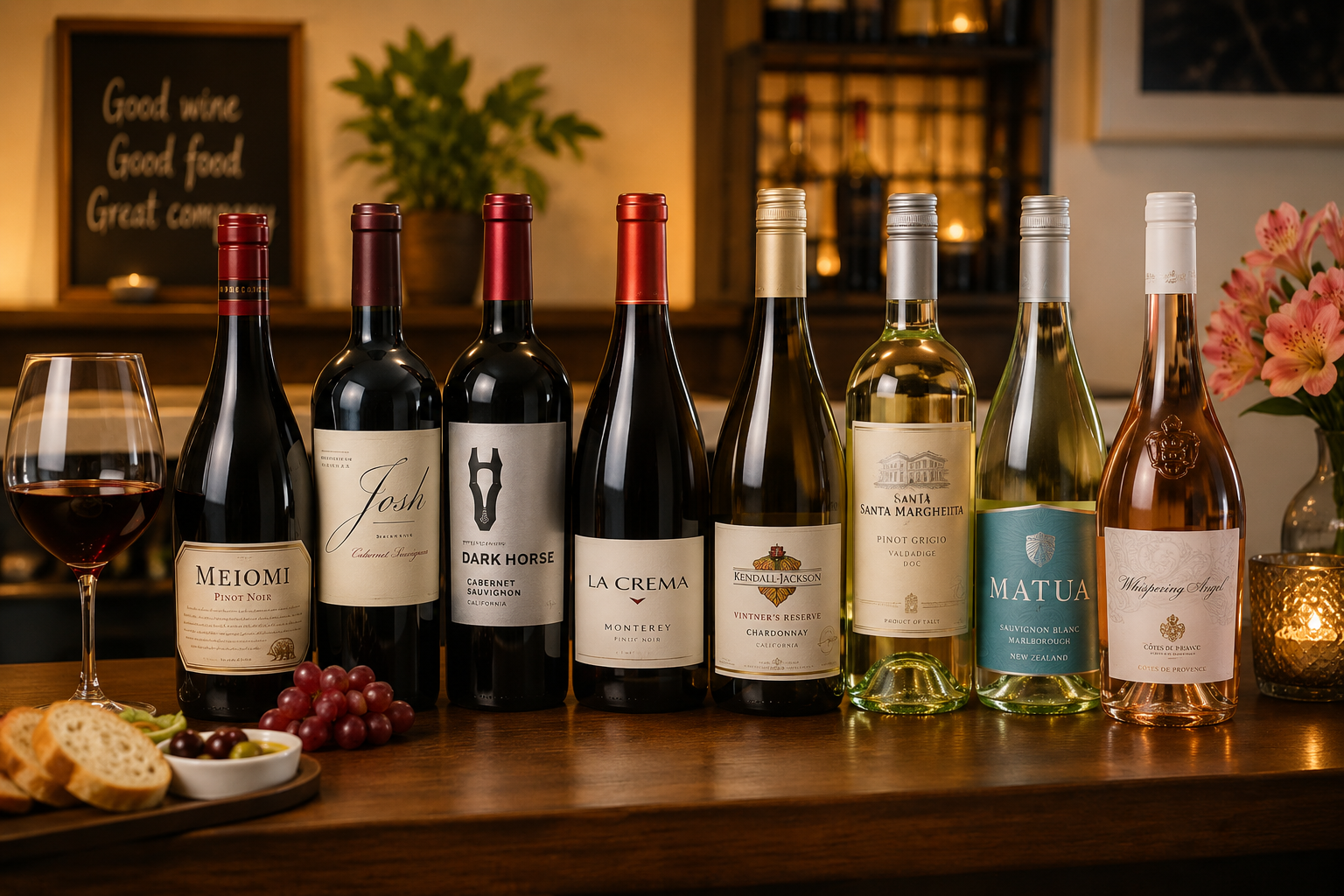
Storage Basics: What Actually Matters
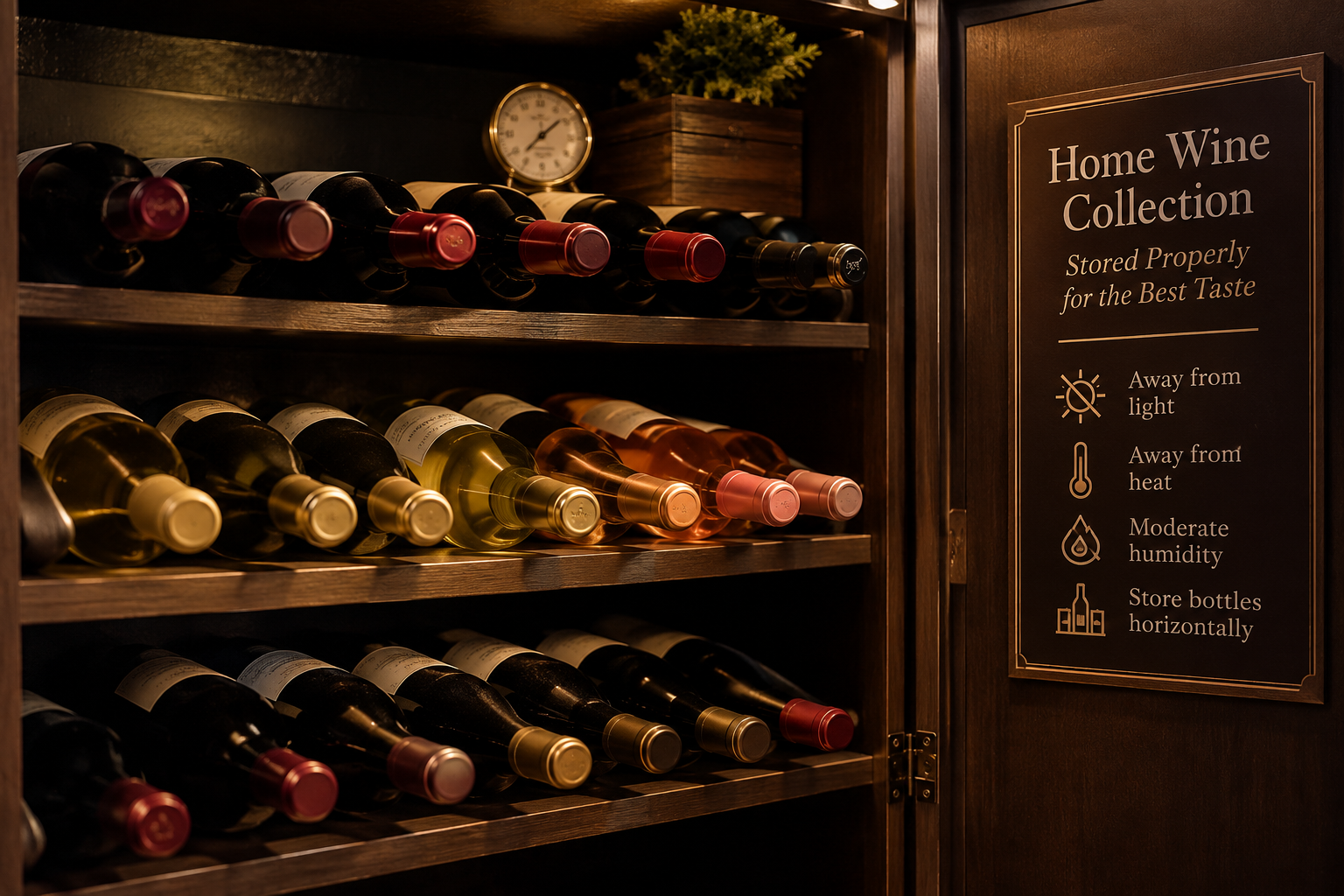
You don't need a wine cellar or an expensive cooling unit to store 12 bottles properly. You need to avoid three things: heat, light, and vibration.
Wine stores best at consistent temperatures between 45–65°F (7–18°C), away from direct sunlight, and lying on its side if it has a natural cork. For long-term aging of your special occasion bottles, closer to 55°F (13°C) is ideal. If you're storing age-worthy wines for more than a year or two, humidity matters too—dry air can shrink corks and let oxygen in, which ruins wine over time [1].
Practical storage options:
A dark closet away from exterior walls — Free, and perfectly fine for bottles you'll drink within a year
A simple wine rack in a cool corner — Under $50, keeps bottles organized and on their sides
A small wine fridge — Starting around $150 for 12 bottles, essential if your home runs warm or you're storing age-worthy bottles long-term
If your home stays reasonably cool and you're drinking bottles within a year, a dark interior closet works fine for most wines. The expensive wine fridge becomes worthwhile when you're storing age-worthy bottles for extended periods, live somewhere warm, or want the convenience of perfectly chilled whites ready to pour.
Building Your Collection Over Time
You don't have to buy all 12 bottles at once. In fact, building gradually helps you learn what you actually reach for versus what sounded good in the moment.
Month 1–2: Fill your everyday slots. These are wines you'll rotate through regularly anyway, so start here and begin learning your preferences.
Month 3–4: Add your entertaining wines. You'll use these more than you think—guests drop by, invitations come up, and you'll be glad you're covered.
Month 5–6: Start your special occasion bottles. These can sit and wait for the right moment while you figure out what celebrations mean to you.
This approach spreads the cost, prevents overwhelm, and lets you course-correct as you discover what you actually like. Pay attention to which slots empty fastest—that tells you something useful about your real preferences.
What to Say When You Walk Into a Wine Shop
Walking into a wine shop can feel intimidating if you don't speak the language. Here's what to actually say when someone asks if you need help—these questions work whether you're talking to staff or shopping for yourself.
"I like [X]. What's something similar but different?"
This gets you variety without risking something you'll hate. If you love Sauvignon Blanc, maybe you'd enjoy Albariño or Vermentino. Good staff love this question because it gives them room to introduce you to something new.
"What pairs well with [specific food]?"
Concrete context helps. "I'm making roast chicken" gets you better recommendations than "I need a red wine."
"What's drinking well right now in the $__ range?"
This tells them you're ready to buy and gives them a budget to work within. No awkward dancing around price, and you'll often get pointed toward bottles that are at their peak right now.
"What's something I probably haven't tried before?"
This opens the door to personal favorites and hidden gems—often the most interesting bottles in the shop and the ones staff are genuinely excited to talk about.
"Is this meant to drink now or hold?"
Critical for knowing whether to open it this weekend or tuck it away. Most wines are made to drink within a few years of release, but age-worthy bottles need time to show their best.
Good wine retail is about matching bottles to real drinking occasions [2]. A knowledgeable staff member will ask you questions right back—about what you're eating, what you've liked before, what the occasion is. That's a sign you're in the right place.
Rotating, Restocking, and Keeping Bottles Fresh
A home wine collection isn't a museum display. Bottles should flow in and out, and the goal is having each slot filled and ready when you need it.
The simple rule: When you open a bottle from a slot, replace it within a month.
This keeps your collection functional and ensures you're always covered. It also prevents the common trap of "saving" bottles until they're past their prime. Most wines are meant to be enjoyed, not hoarded.
Once you open a bottle, most wines stay fresh for 3–5 days if you recork them and store them in the refrigerator (yes, even reds—cold slows oxidation). Inexpensive vacuum stoppers can extend this slightly by removing some air from the bottle. If you find yourself regularly not finishing bottles, consider this when choosing what to stock—maybe you need more half-bottles, or maybe you need drinking companions [3].
Track what you drink and what you love. A photo of the label with a quick note ("loved this with the pasta," "too tannic for me," "buy again") is enough. Over time, your 12 bottles will become distinctly yours—shaped by your taste, your meals, and your life.
Your First Step
Here's the easiest way to start: buy three bottles this week.
One everyday white
One everyday red
One sparkling for your next celebration
That's it. You've started a home wine collection.
The rest fills in naturally as you explore, ask questions, and pay attention to what you enjoy. You don't need to become an expert. You just need to start drinking wine you like, intentionally.
Ready to build your collection with bottles you won't find at grocery stores? Come hang out with us at The Pip. Tell us what you like, what you're planning, and what your budget looks like. We'll help you find hand-selected wines from small producers that actually fit your life—and your 12-bottle plan.
Check out our curated selection →
Frequently Asked Questions
How much should I spend on my first home wine collection?
Start where you're comfortable—a solid 12-bottle collection works whether you spend $150 total or $800 total. The framework stays the same regardless of budget. Most people find the $25–$35 per bottle range offers the best balance of quality and value for bottles they'll genuinely enjoy drinking regularly, but there's plenty of excellent wine at $12–$17 if you know where to look.
Do I need a wine fridge to store wine at home?
Not necessarily for a starter collection. If your home stays under 70°F and you're drinking bottles within a year or two, a dark interior closet or cabinet works fine for most wines. A dedicated wine fridge becomes worthwhile if you're storing age-worthy bottles long-term, live somewhere warm, or want whites perfectly chilled and ready to pour whenever you want them.
How do I know which wines will age well versus drink now?
Most wines—probably 90% of what's on shelves—are made to drink within a few years of release and won't improve with age. Wines with higher tannins, acidity, and structure (like Barolo, Bordeaux, and quality Riesling) can improve over years or decades. When in doubt, ask where you buy. Good staff can tell you whether a specific bottle rewards patience or is ready for tonight.
What's the best way to track which wines I like?
Keep it simple. Take a photo of labels you enjoy and add a quick note about what you liked and what you ate with it. Dedicated wine apps exist, but a basic notes app on your phone works just as well. The goal is remembering what to buy again and noticing patterns in your preferences—not building a comprehensive database.
How long does wine last once I open a bottle?
Most wines stay fresh for 3–5 days after opening if you recork them and refrigerate (yes, even reds). Sparkling wines lose their fizz faster—expect 1–3 days. Fortified wines like Port or Sherry last longer, sometimes weeks, because of their higher alcohol content. Inexpensive vacuum stoppers can help extend freshness slightly by removing air from the bottle.
Our Approach to Wine Guidance
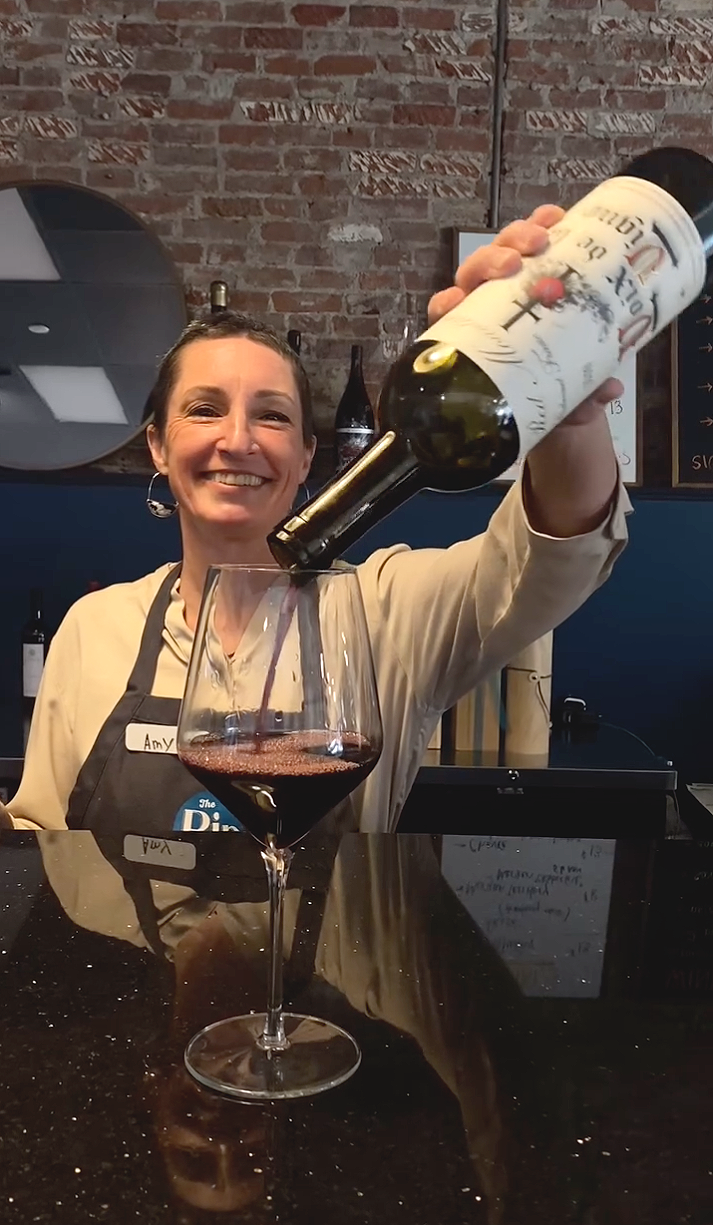
At The Pip Wine Bar & Shop, we've spent years helping people discover wines they genuinely love—not wines they think they're supposed to like. Our curated selection features hand-picked bottles from small producers you won't find in grocery stores, chosen because they deliver real enjoyment at their price point. We believe good wine guidance means matching bottles to your actual life: your budget, your taste, your Tuesday dinners, and your celebrations. Whether you're building your first home collection or looking for something specific, we're here to help without the pretense. Come hang out in Downtown Dixon and let's find your next favorite bottle together.
Cited Works
[1] Guild of Sommeliers Education Foundation — "Wine Storage and Cellar Management." https://www.guildsomm.com/education
[2] Wine Scholar Guild — "Building a Personal Wine Collection." https://www.winescholarguild.org/blog
[3] University of California, Davis Department of Viticulture and Enology — "Wine Stability and Preservation." https://wineserver.ucdavis.edu