
Craft Cocktails in Dixon: How to Choose (and Why Craft Cocktails Cost More)
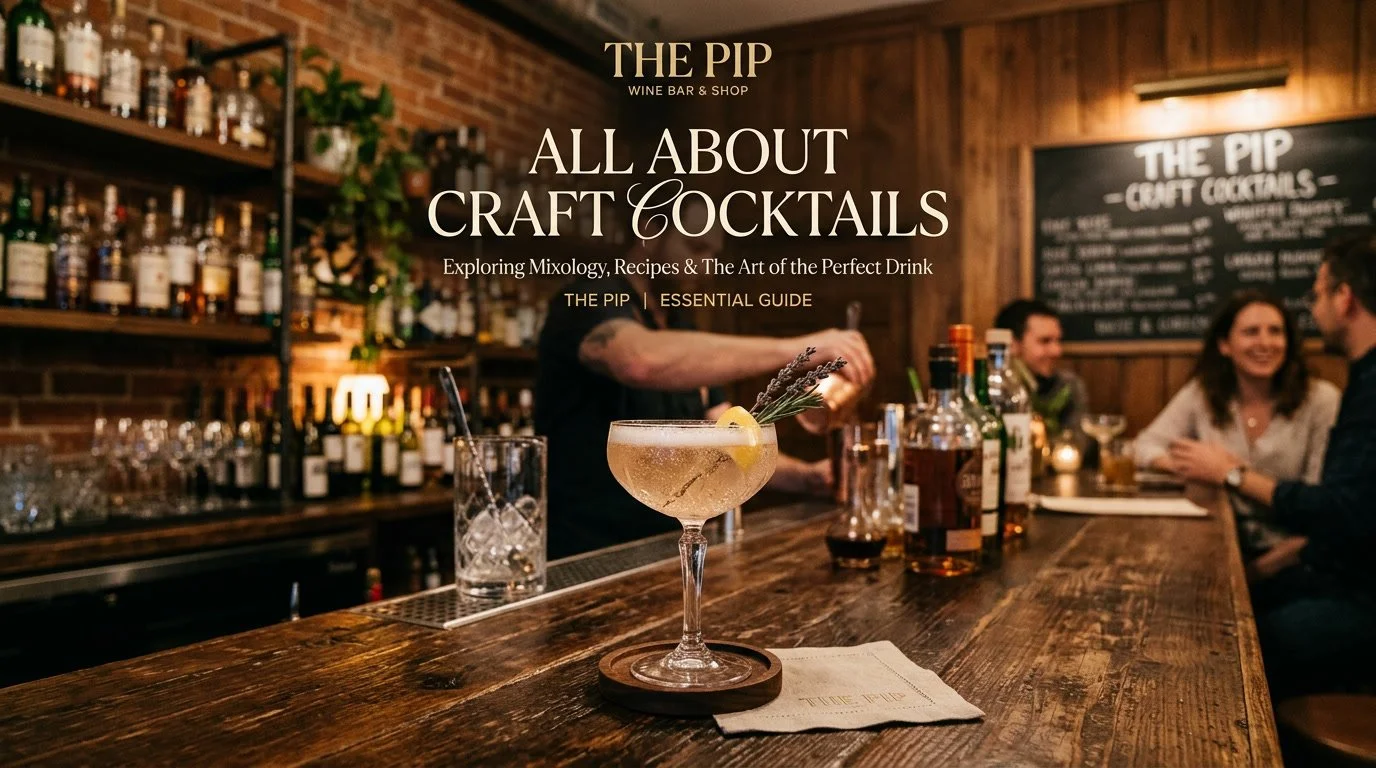
You're scanning the cocktail menu at The Pip Wine Bar & Shop in Downtown Dixon, and a number catches your eye. Twelve dollars. Maybe fourteen. For a single drink.
If you've ever wondered why craft cocktails cost more than the rum and coke you'd get at a dive bar, you're asking the right question. And honestly? The answer isn't some bartender secret. It's pretty straightforward once you know what goes into the glass—and into creating a place where you actually want to sit and enjoy it.
At The Pip, we hear this question enough that we figured it was worth explaining properly. Not to justify prices, but because understanding what you're paying for makes the experience better.
What Makes a Cocktail "Craft" in the First Place?
The word gets tossed around a lot. But craft cocktails have specific characteristics that separate them from standard bar pours.
Fresh ingredients, made in-house. Fresh-squeezed citrus instead of bottled sour mix. House-made syrups instead of high-fructose corn syrup from a gun. Real herbs muddled to order.
Quality base spirits. The difference between bottom-shelf vodka and a small-batch spirit isn't marketing. It's flavor complexity, smoothness, and how well it plays with other ingredients [2].
Intentional recipes. Each element serves a purpose—balancing sweetness with acid, adding aromatic complexity, creating texture. Not just liquor plus mixer.
Technique. Proper shaking versus stirring. Correct dilution. Appropriate glassware. Ice that doesn't turn your drink into flavored water in three minutes [1].
None of this is pretentious for the sake of it. It's just making drinks well.
The Real Reasons Craft Cocktails Cost More
When you pay more for a craft cocktail, you're paying for specific things that cost real money. Here's where that comfortable premium experience actually comes from.
Better Ingredients Add Up
Small-batch spirits from independent distillers cost significantly more than mass-produced options [2]. A bottle of well vodka might run a bar eight dollars wholesale. A quality small-batch bourbon? Forty, fifty, sometimes more.
Fresh citrus has to be purchased regularly and juiced daily—it spoils. Bottled sour mix lasts months.
House-made syrups require labor, fresh ingredients, and time. Simple syrup from a supplier requires a phone call.
Better inputs mean higher costs. That part's simple math.
Labor Is Part of the Product
A bartender shaking a proper cocktail, double-straining it into a chilled glass, and garnishing it with care takes time. That same bartender could pour three beers in the same window.
Craft cocktail programs also require training. Understanding flavor profiles, memorizing recipes, learning technique—that expertise has value, and it shows up in what ends up in your glass [3].
Fresh Means Waste
Fresh ingredients spoil. When a bar commits to fresh-squeezed lime juice, they're accepting that some limes will go bad before they get squeezed. That shrinkage gets built into pricing because it has to.
The Experience Itself
This part's harder to quantify but very real.
A comfortable, curated environment—good lighting, intentional music, clean glassware, staff who actually care whether you enjoy your drink—costs money to create and maintain. Rent on First Street in Downtown Dixon isn't free. Neither is hiring people who genuinely want you to have a good time.
When you're paying for a craft cocktail at The Pip, you're also paying for a place that wants you to stay a while. To relax. To feel like an adult who deserves something nice.
How to Choose a Craft Cocktail (Even If You're Not Sure What You Like)
Walking into a craft cocktail spot and feeling overwhelmed by the menu? Totally normal. We see it all the time. Here's how to find something you'll actually love.
Start With Your Spirit Preference
Think about what you generally gravitate toward:
Whiskey/bourbon – warm, sometimes sweet, often with vanilla or caramel notes
Vodka – clean, neutral, lets other flavors shine
Gin – botanical, herbal, juniper-forward
Tequila/mezcal – agave-forward, sometimes smoky
Rum – ranges from light and citrusy to dark and molasses-rich
Not sure? That's completely fine. Tell your bartender what you usually drink—even if it's "white wine" or "I honestly don't know"—and let them guide you. That's what we're here for.
At The Pip, we rotate our cocktail menu seasonally, but we always keep a mix of spirit bases so there's something for everyone. If you're a bourbon fan, ask what's currently on the menu that leans that direction. If you usually drink wine but want to branch out, we'll point you toward something bright and approachable.
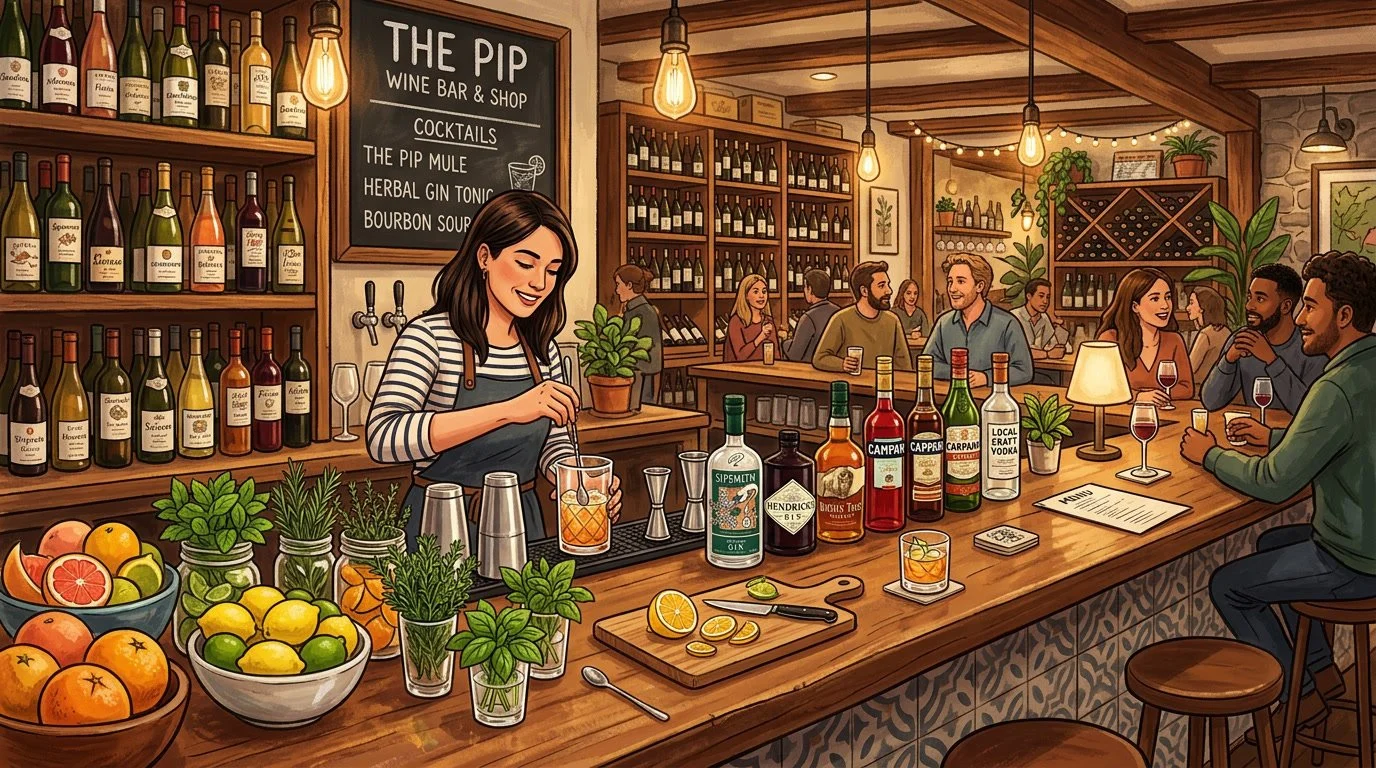
Think About Your Sweet Spot
Are you drawn to:
Sweet – dessert vibes, fruit-forward, smooth
Tart/sour – citrus-heavy, bright, refreshing
Spirit-forward – boozy, minimal sweetness, you taste the liquor
Bitter – more complex, acquired taste, often with herbal notes
Most craft cocktail menus describe drinks in ways that hint at these profiles. Words like "refreshing" usually mean tart. "Rich" typically means sweet-leaning. "Stirred" often signals spirit-forward.
Just Ask
Seriously. Good bartenders want to help you find something you'll love. A quick "I usually drink X but I want to try something different" gives us everything we need to point you in the right direction.
At The Pip, we'd rather spend an extra minute talking through options than have you end up with something that doesn't hit right. That's the whole point of a comfortable, curated spot—you're not supposed to figure it out alone.
Craft Cocktails vs. Standard Bar Drinks: What's Actually Different?
Neither is wrong. Sometimes you just want a beer and a shot. But when you want something designed, something made with care—craft cocktails deliver in ways that standard pours can't.
What to Expect at The Pip Wine Bar & Shop
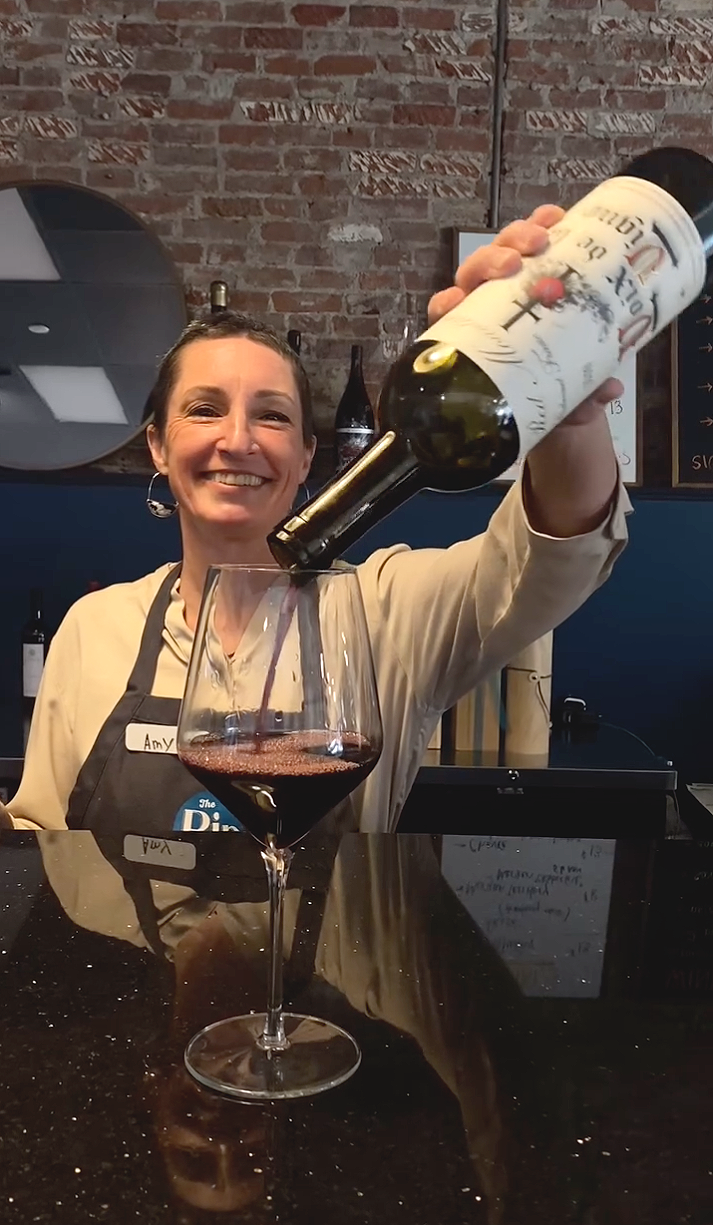
Downtown Dixon has become a genuine destination for folks who want a comfortable place to meet up. We see a lot of guests meeting halfway—people traveling between Sacramento and the Bay Area, or heading to Napa or Tahoe who want to stop somewhere worth stopping. Dixon sits right at that midpoint, and The Pip is where you can actually hang out for a couple hours without feeling rushed.
If you're trying craft cocktails here for the first time, expect:
Bartenders who actually talk to you. Not in an annoying way. In a "hey, what sounds good tonight?" way.
Menus with descriptions. You won't be left guessing what's in each drink.
A pace meant for hanging out. Nobody's rushing you. The whole point is to relax and enjoy yourself.
Seasonal variations. Our menus change. What's available in summer might not be there in winter, because the ingredients rotate with what's fresh and what makes sense.
Wine Slushies: The Unexpected Crowd Favorite
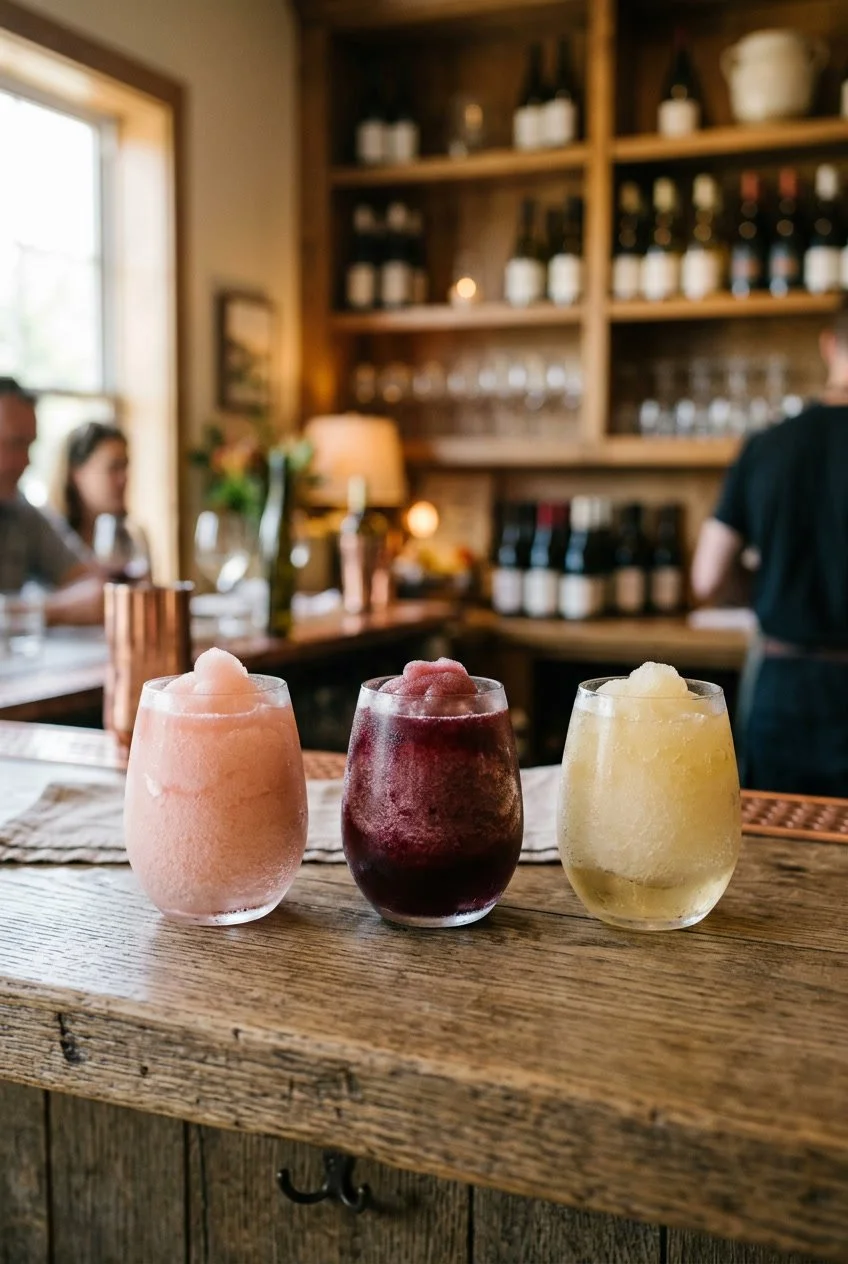
While we're talking craft beverages—wine slushies deserve a mention because guests ask about them constantly.
They're exactly what they sound like. Wine, frozen, often with fruit or other flavor additions. They look fun. They taste refreshing. And they've become one of our most popular items, especially when the weather warms up.
Are they "craft" in the traditional cocktail sense? That's debatable. Are they delicious on a warm Dixon afternoon? Absolutely. They're a great entry point if you're not quite ready to commit to a full cocktail but want something more interesting than a glass of wine.
Getting the Most From Your Craft Cocktail
A few tips for maximum enjoyment:
Try something new. If you always order the same thing, you're missing what makes craft cocktails interesting in the first place.
Pace yourself. These drinks are stronger than they taste. Quality ingredients go down smooth, which can be deceptive.
Pay attention. Notice the aroma before you sip. Notice how the flavor shifts as the ice dilutes slightly. There's a lot happening in a well-made drink.
Ask questions. "What's in this?" "Why did you shake that one but stir the other?" We genuinely enjoy talking about this stuff.
Come back. Menus evolve. Seasons change. The second or third visit often reveals things you missed the first time.
Come Experience Craft Cocktails in Downtown Dixon
Understanding why craft cocktails cost more isn't about justifying prices. It's about appreciating what goes into the glass—quality spirits, fresh ingredients, skilled preparation, and an environment designed for you to actually enjoy yourself.
If you've been curious about the craft cocktail scene in Downtown Dixon, there's no better way to understand it than to experience it firsthand. Check The Pip's events calendar for themed nights and special features, or simply swing by and tell us what you're in the mood for.
We'll take it from there.
Frequently Asked Questions
Why do craft cocktails take longer to make?
Craft cocktails require fresh ingredients prepared to order—squeezing citrus, muddling herbs, measuring precise amounts of each component. Proper technique also matters; shaking or stirring for the right duration affects dilution and texture [1]. This attention to detail takes more time than pouring from a bottle into a glass, but the result is a balanced, intentional drink that's worth the wait.
Are craft cocktails stronger than regular drinks?
Not necessarily. A standard cocktail pour is typically 1.5 to 2 ounces of spirit regardless of where you order [1]. The difference is that craft cocktails often taste smoother because of quality ingredients and proper technique, which can make them seem less alcoholic even when they contain the same amount of spirit. Pace yourself accordingly.
How do I know if a bar actually makes craft cocktails?
Look for fresh citrus behind the bar, house-made syrups, quality spirit selections, and cocktail menus with original recipes or thoughtful descriptions. If bartenders can explain what's in each drink and why those ingredients work together, you're likely in a craft-focused establishment. At The Pip, we're always happy to walk you through what makes each drink tick.
What's a good starter craft cocktail for someone who usually drinks wine?
Something bright and refreshing often appeals to wine drinkers—cocktails featuring citrus, light spirits like gin or vodka, and moderate sweetness. A French 75 (gin, lemon, simple syrup, topped with sparkling wine) bridges both worlds nicely. Or just tell your bartender you usually drink wine and let them recommend something based on your preferences—that's literally what we love doing.
Is it okay to ask the bartender for recommendations?
Absolutely. Good bartenders want you to enjoy what you order. Telling them what flavors you like, what spirits you gravitate toward, or even just what mood you're in gives them exactly what they need to point you toward something you'll love. There's no shame in not knowing the menu—that's what we're here for.
About The Pip Wine Bar & Shop
The Pip is a woman-owned wine bar and bottle shop in Downtown Dixon, California, offering a curated selection of wines from small producers alongside craft cocktails, wine slushies, and tapas-style bites. Located on First Street in the heart of downtown, the team brings years of hospitality experience and genuine passion for helping guests discover what they'll love—whether that's a familiar pour or something completely new. Dixon sits at a natural midpoint between Sacramento, the Bay Area, Napa, and Tahoe, making The Pip a favorite gathering spot for locals and travelers alike who want a comfortable premium atmosphere where good taste feels easy.
Works Cited
[1] Alcohol and Tobacco Tax and Trade Bureau — "Beverage Alcohol Manual: Distilled Spirits." https://www.ttb.gov/images/pdfs/spirits_bam/chapter4.pdf
[2] American Distilling Institute — "The Craft Spirits Data Project." https://distilling.com/resources/craft-spirits-data-project/
[3] United States Bartenders' Guild — "USBG Foundation Certification Program Overview." https://www.usbgfoundation.org/certification