Wine Shop in Dixon: How to Buy a Bottle You’ll Actually Love (Without Guessing)
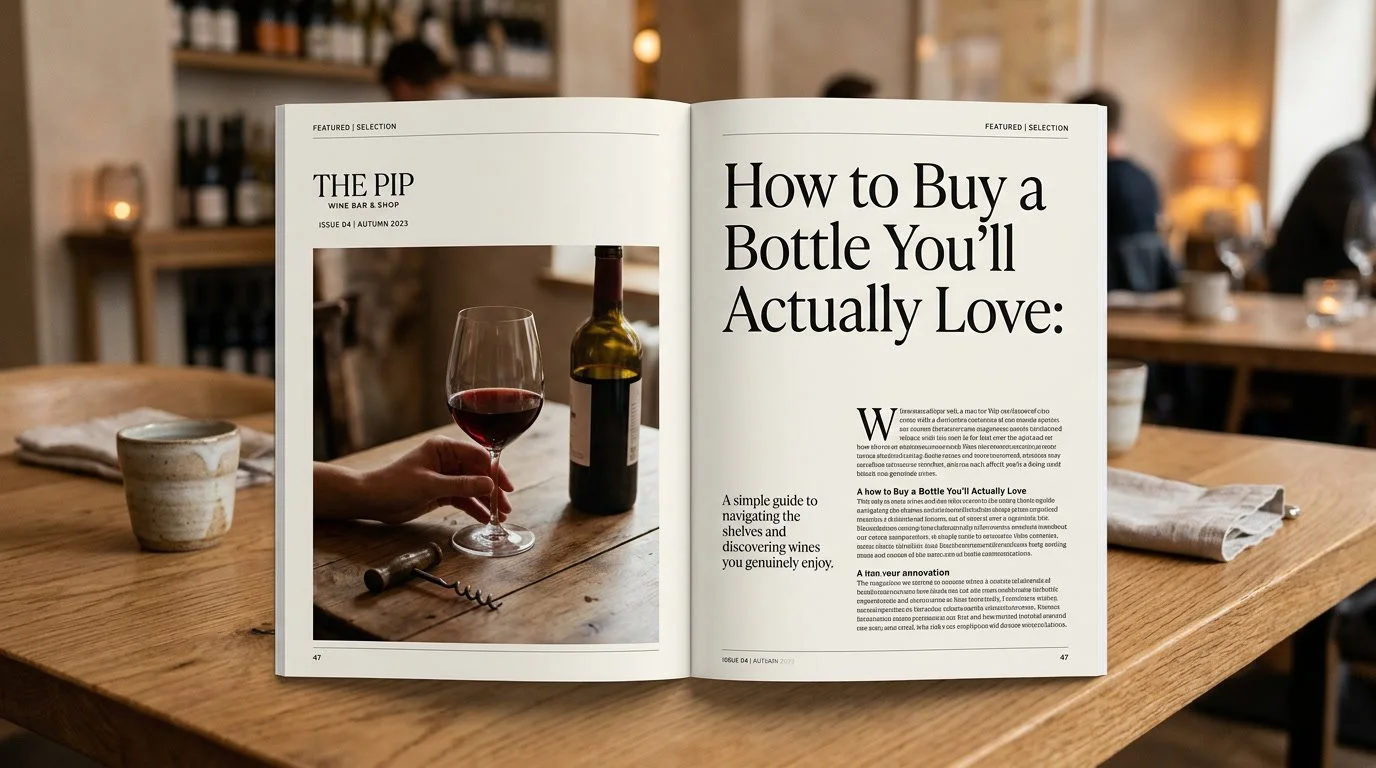
Standing in front of a wall of wine bottles can feel like taking a test you didn't study for. Labels blur together. Tasting notes read like poetry written by someone who's never actually eaten a fig. And somehow, you always end up grabbing the same safe bottle—or worse, something random that sits half-finished on your counter for weeks.
Here's the thing: buying wine doesn't have to feel like guessing. You don't need sommelier training or a fancy vocabulary. You just need a simple framework, a little self-awareness, and ideally, a wine shop in Dixon that actually wants to help you find something you'll love.
Let's break down the 3-question method that turns confused browsing into confident buying.
Why Most Wine Shopping Feels So Overwhelming
The average wine shop carries hundreds of bottles. Grocery stores? Thousands. And most of them give you zero guidance beyond a shelf tag and maybe a score from a critic you've never heard of.
The problem isn't that you don't know enough about wine. The problem is that the typical shopping experience doesn't meet you where you are.
Big-box retailers organize by region or price. That's helpful if you already know you want a Willamette Valley Pinot Noir under $25. But what if you don't even know what style you like yet?
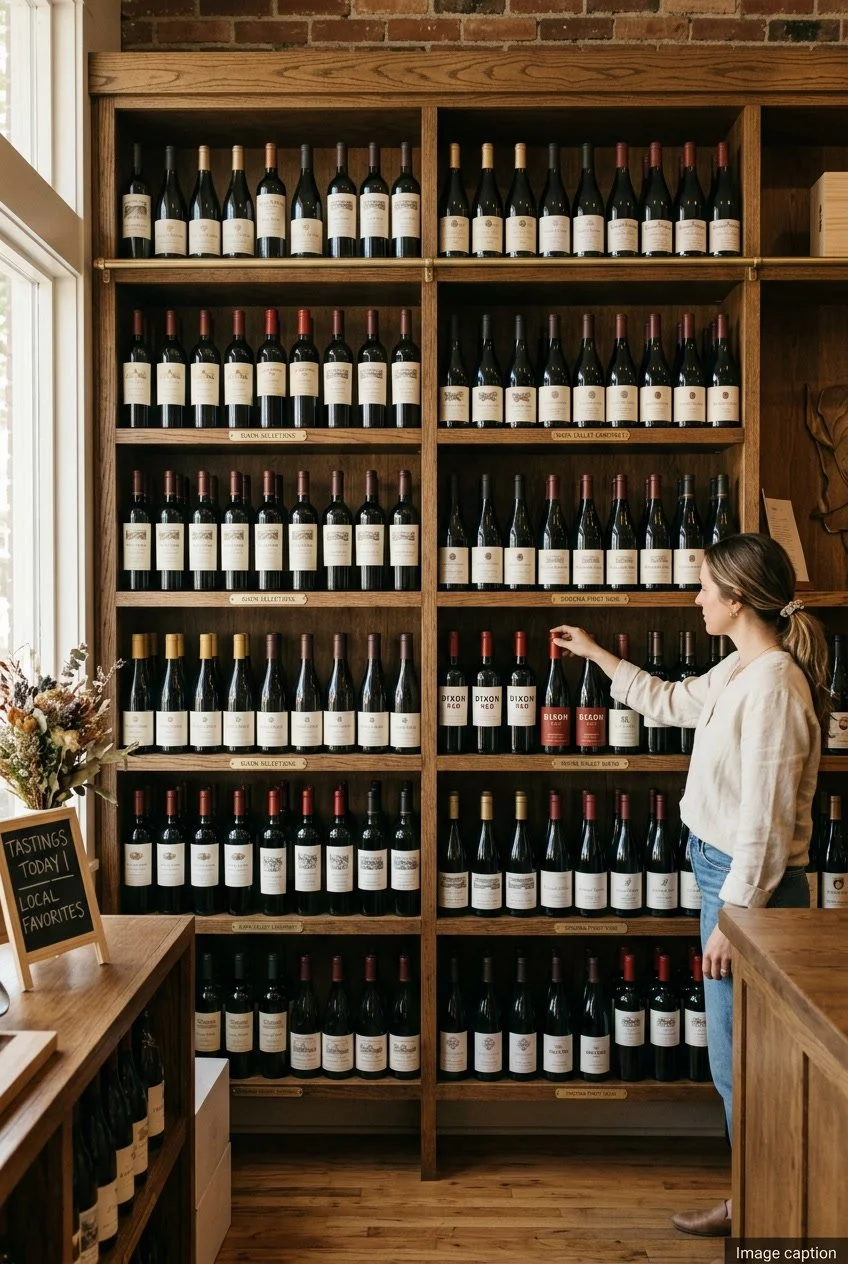
This is where a curated wine shop changes everything. Instead of overwhelming you with options, a thoughtfully selected inventory narrows the field to bottles someone has already vetted. The selection itself becomes a form of guidance [1].
The 3-Question Framework for Buying Wine You'll Actually Enjoy
Forget grape varietals and vintage years for now. Before you walk into any wine shop—whether in Dixon or anywhere else—answer these three questions. They'll transform how you shop.
Question 1: What Do I Usually Drink (and Like)?
This sounds obvious, but most people skip it. They walk in thinking about wine in isolation, when they should be thinking about their own taste preferences across everything they consume.
Ask yourself:
Do I take my coffee black, or loaded with cream and sugar? Black coffee drinkers often enjoy drier, more tannic wines. Sweet coffee lovers might gravitate toward fruit-forward or off-dry styles.
Do I prefer lemonade or sweet tea? This maps to acidity preference. Lemonade people usually enjoy wines with bright, crisp acidity. Sweet tea folks might prefer rounder, softer wines.
What flavors do I reach for in food? If you love bold flavors—aged cheese, dark chocolate, charred meats—you can probably handle bigger, more complex wines. If you prefer lighter fare, start with lighter wines.
You already know your taste. You just haven't translated it to wine yet.
Question 2: What's the Occasion?
Wine is context-dependent. The perfect Tuesday-night-with-leftovers bottle is completely different from the perfect "meeting friends halfway for a proper catch-up" bottle.
Think about:
Solo sipping or sharing? Crowd-pleasers matter more when you're pouring for others.
Pairing with food or drinking on its own? Food-friendly wines need enough acidity to cut through dishes. Standalone sippers can be rounder and softer.
Casual or celebratory? Sometimes you want reliable comfort. Sometimes you want something that feels special.
When you tell a knowledgeable shop employee the occasion, they can steer you toward wines that actually fit the moment—not just what's technically "good."
Question 3: What's One Thing I Want to Be Different This Time?
This is the growth question. It's also where a curated unique selection becomes essential.
Maybe you always buy the same Sauvignon Blanc. Maybe you've never tried an orange wine or a Grüner Veltliner. Maybe you want something from a small producer you've never heard of.
The best wine discoveries happen when you know your baseline but push slightly past it. A good wine shop helps you do exactly that—without pushing you off a cliff into something you'll hate.
What Makes a Wine Shop Worth Visiting
Not all wine shops are created equal. Here's what separates a genuinely helpful shop from a warehouse with bottles.
Curated Selection Over Endless Options
A thoughtfully curated inventory means someone has already done the hard work of tasting, vetting, and selecting bottles worth your money. You're not sifting through mass-produced labels hoping to get lucky.
Curated shops typically feature:
Small producers you won't find in grocery stores
Wines selected for quality at every price point
Rotating inventory that keeps things interesting
A point of view—you can sense the personality behind the selection
This is the opposite of the Costco approach. Nothing wrong with buying bulk paper towels, but wine is different. A curated selection respects your time and palate [2].
Staff Who Actually Guide You
The difference between "helpful" and "actually helpful" is huge.
Unhelpful: "The Malbecs are in aisle three."
Actually helpful: "You mentioned you like bold reds but not too dry. Have you tried a Grenache? It's got that richness you're looking for, but it's friendlier. Let me show you one from a small producer we just got in."
A good wine shop employee doesn't just locate bottles. They translate your preferences into recommendations. They ask questions. They remember what you bought last time and how you liked it.
This is buying confidence in action. You leave knowing why you're buying what you're buying—not just hoping it works out.
An Atmosphere That Welcomes Questions
Wine intimidation is real. Years of snobbery baked into wine culture makes people afraid to admit they don't know the difference between a Côtes du Rhône and a Châteauneuf-du-Pape.
The best shops actively dismantle that wall. They use plain language. They don't make you feel dumb for asking basic questions. They treat "I usually drink whatever's on sale at Safeway" as useful information, not a confession.
If a shop makes you feel judged, it's the wrong shop.
How to Use This Framework at a Dixon Wine Shop
Let's put it together with a real-world example.
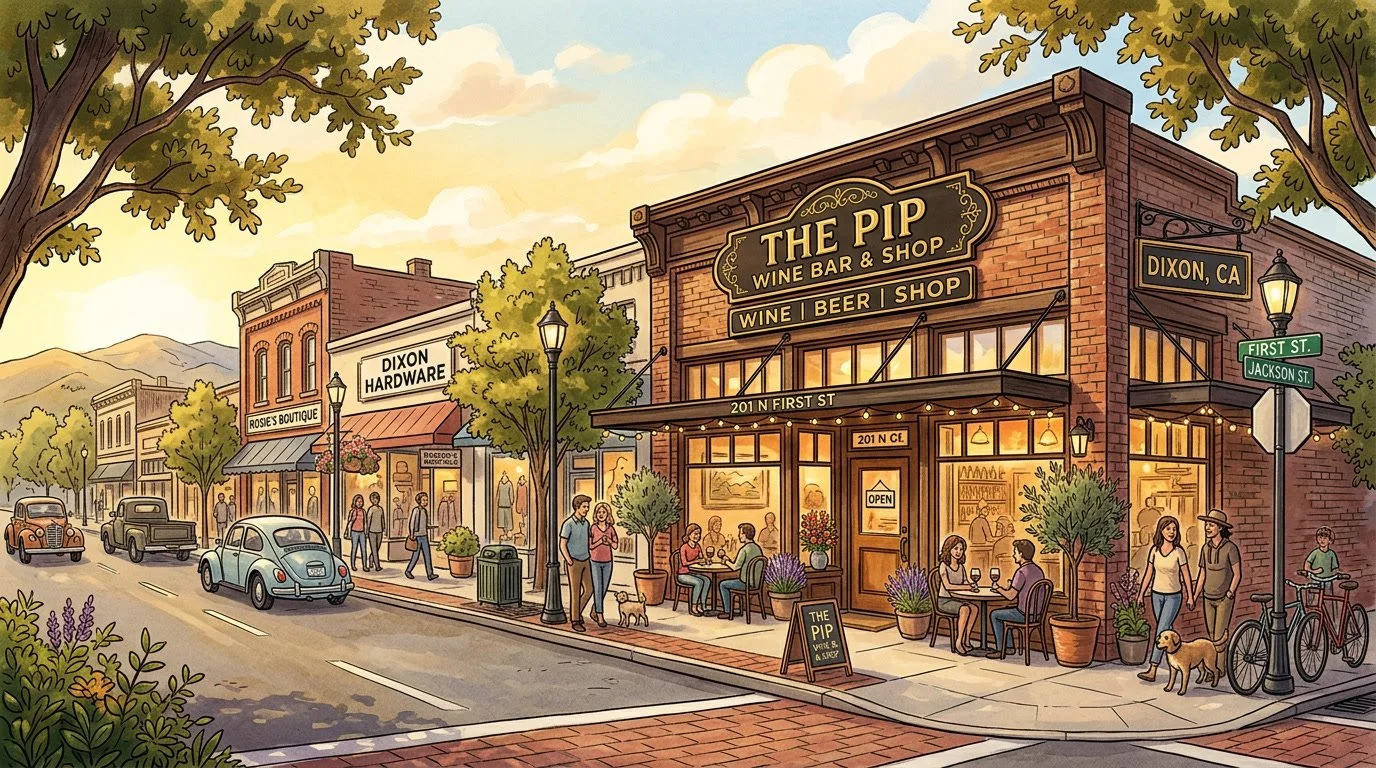
You walk into a local wine shop in Dixon. You're meeting friends who are driving up from the Bay Area—classic "meet halfway" situation. You want a couple of bottles to share over tapas-style bites.
Here's how the framework plays out:
Question 1: You know you generally like reds that aren't too heavy and whites that aren't too sweet. You drink your coffee with just a splash of cream.
Question 2: Sharing with friends, pairing with small plates, celebratory but not formal.
Question 3: You want to try something you've never had—something that sparks a conversation.
Now you walk up to the counter and say: "I'm looking for a couple of bottles to share with friends over snacks. I usually like medium-bodied reds and dry whites, but I want to try something new—maybe something from a producer I've never heard of."
That's it. You've given them everything they need to guide you to something great.
Beyond the Bottle: Building Your Wine Confidence Over Time
Buying wine well is a skill. Like any skill, it develops through practice and feedback.
Keep a Simple Log
You don't need a fancy app. Just jot down:
What you bought
What you ate with it (or if you drank it solo)
Whether you liked it and why
Over time, patterns emerge. You'll notice you keep gravitating toward certain styles or regions. That's valuable data for future purchases.
Ask for Help—Then Report Back
Tell the shop what you bought last time and whether you liked it. This feedback loop helps them refine their recommendations for you. It also helps them learn what their community enjoys.
Join a Wine Club (If You Want Built-In Discovery)
A well-run wine club removes decision fatigue entirely. Someone else curates the selection, and you get to taste wines you never would have picked yourself. It's forced exploration—in a good way.
A Different Kind of Wine Shopping Experience
Dixon isn't Napa. It's not trying to be. But that's exactly what makes a local wine shop here feel different.
No pretense. No velvet ropes. Just a comfortable spot where you can slow down, ask questions, and actually enjoy the process of finding something good.
Whether you're a local looking for your new weeknight favorite or someone meeting friends halfway between Sacramento and the Bay Area, the right wine shop makes you feel like you know what you're doing—even when you're still figuring it out.
And that's the whole point.
Ready to stop guessing? Come hang out with us at The Pip Wine Bar & Shop in Downtown Dixon. Tell us what you like, what you're curious about, and what you've hated in the past. We'll help you find bottles you'll actually love—no wine degree required. Or sign up for our newsletter to get first word on new arrivals and featured picks.
Frequently Asked Questions
How do I tell a wine shop employee what I want if I don't know wine terminology?
Skip the terminology entirely. Describe what you like in plain language—whether that's "fruity but not sweet," "smooth without that dry feeling," or "something like what I had at my friend's wedding." Good wine shops translate your everyday language into bottle recommendations. That's their job.
What's the difference between a wine shop and buying wine at a grocery store?
Grocery stores prioritize volume and broad appeal, stocking primarily mass-produced wines from large distributors. A curated wine shop selects bottles based on quality and distinctiveness, often from small producers. The staff can guide you personally rather than leaving you alone with shelf tags.
How much should I spend to get a good bottle of wine?
You can find genuinely enjoyable wines at every price point when shopping at a curated store. The sweet spot for everyday drinking often falls in a moderate range where small-producer quality becomes accessible. Tell the shop your budget—there's no judgment, and they'll find you something good within it.
What if I buy a bottle and don't like it?
First, note what you didn't like about it—too dry, too sweet, too acidic. This information is gold for your next purchase. Tell the shop employee what didn't work. Some shops will even help you find a better match at a discount or suggest how to use the bottle you didn't love (cooking, sangria, or gift to a friend with different taste).
Can I ask for wine recommendations even if I'm not buying that day?
Absolutely. Good wine shops welcome questions because helping you builds trust—and trust builds regulars. Stop in, browse, ask what they're excited about, and leave with knowledge even if you don't leave with bottles. That's how relationships with local shops start.
About The Pip Wine Bar & Shop
The Pip is a woman-owned wine bar and bottle shop in Downtown Dixon, California, offering a carefully curated selection of wines from small producers alongside craft cocktails, wine slushies, and tapas-style bites. Our staff genuinely loves helping guests discover wines they'll enjoy—whether you're a seasoned enthusiast or someone who just knows they "like red." We believe good taste should feel easy, not intimidating.
Cited Works
[1] Wine Folly — "How to Buy Wine Like a Pro." https://winefolly.com/tips/how-to-buy-wine/
[2] GuildSomm — "The Role of Curation in Wine Retail." https://www.guildsomm.com/