
Hostess Gift Wine: What to Bring (and What Not to Bring) When You're Invited to Dinner
You've got the invite. Dinner at a friend's place—maybe a casual weeknight thing, maybe something fancier. And now you're standing in a wine aisle somewhere, staring at rows of bottles, wondering which one says "I'm thoughtful" instead of "I panicked at the grocery store five minutes ago."
Good news: picking a hostess gift wine isn't complicated once you know a few unwritten rules. The goal isn't to impress anyone with your wine knowledge. It's to show up with something that feels intentional—something your host might actually enjoy later, whether they open it that night or save it for themselves.
Let's break down what works, what doesn't, and how to make a confident choice without overthinking it.
Why Hostess Gift Wine Etiquette Actually Matters
Here's the thing most people get wrong: the wine you bring isn't necessarily meant for dinner.
Traditional etiquette says a hostess gift belongs to the host—to open whenever they want [1]. Your host may have already planned what they're serving with the meal. Showing up with a bottle and expecting it to hit the table can throw off their plans or put them in an awkward spot.
So the real purpose of a hostess gift wine? It's a thank-you. A small gesture that says, "I appreciate you cooking for me and opening your home."
That shift in mindset makes the whole decision easier. You're not trying to pair perfectly with whatever they're making. You're just bringing something good.
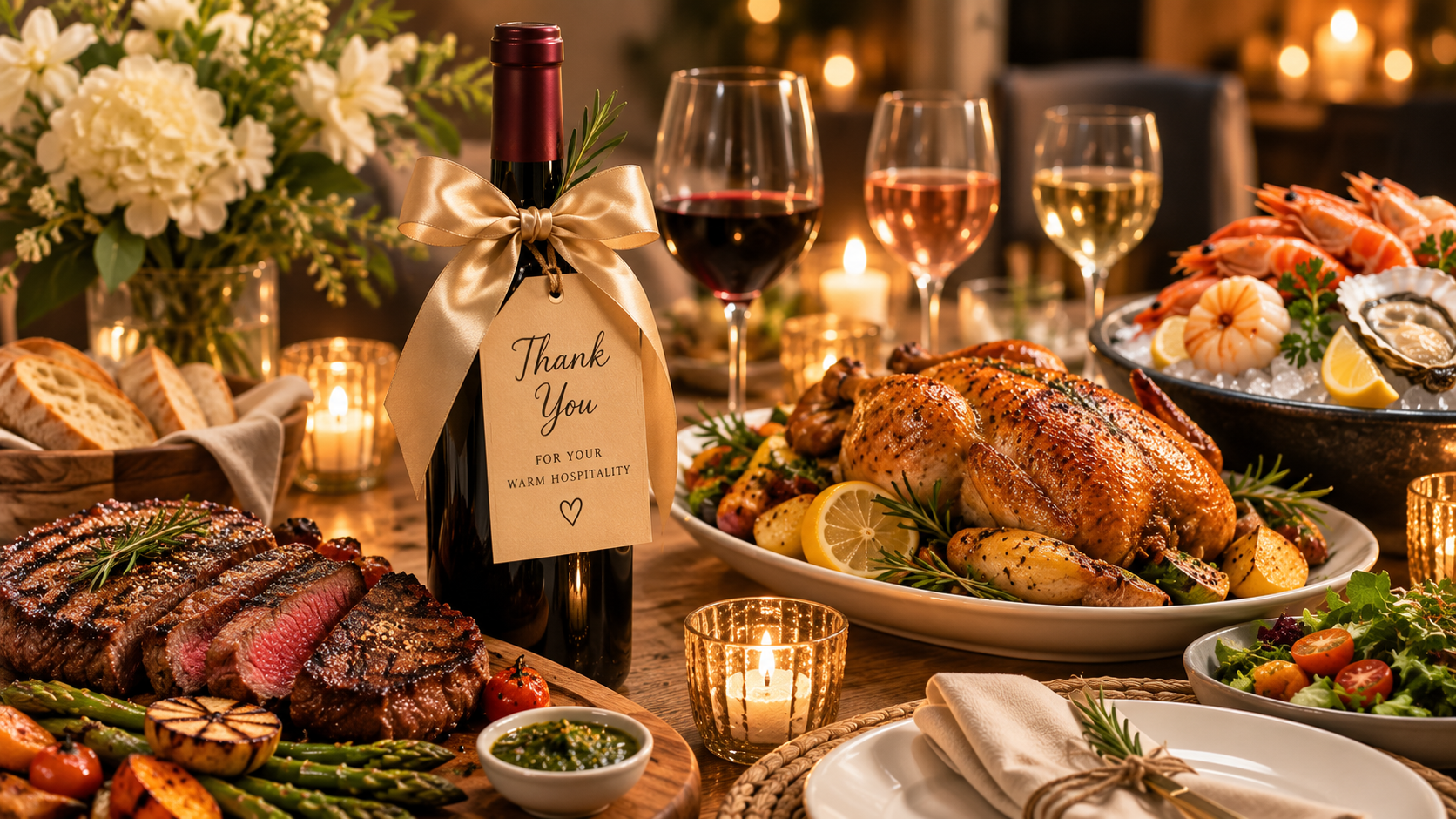
The Safe Choices: Wines That Work for Almost Any Dinner
When you don't know what's being served—or you want to play it safe—reach for bottles with broad appeal. These styles tend to please a wide range of palates without feeling generic.
Sparkling Wine
Bubbles are always a win. A bottle of Crémant, Cava, or Prosecco feels celebratory without being over the top. And since sparkling wine pairs with almost everything (or makes a great aperitif), your host can open it whenever the mood strikes.
Medium-Bodied Reds
Think Pinot Noir, Grenache blends, or a lighter Côtes du Rhône. These reds have enough character to stand on their own but won't overpower food. They're crowd-pleasers for a reason.
Crisp, Food-Friendly Whites
Sauvignon Blanc, Albariño, and unoaked Chardonnay all fall into that "refreshing, not sweet" category. They're versatile enough to work with lighter dishes, appetizers, or just sipping while your host finishes up in the kitchen.
Rosé (Yes, Year-Round)
Dry rosé isn't just for summer patios. A well-made rosé from Provence or a domestic producer works beautifully as an all-season gift—especially if your host enjoys lighter, versatile wines.
How to Choose Based on the Meal (When You Know What's Being Served)
If your host mentions what they're cooking, you have an opportunity to be a little more thoughtful. Here's a quick guide:
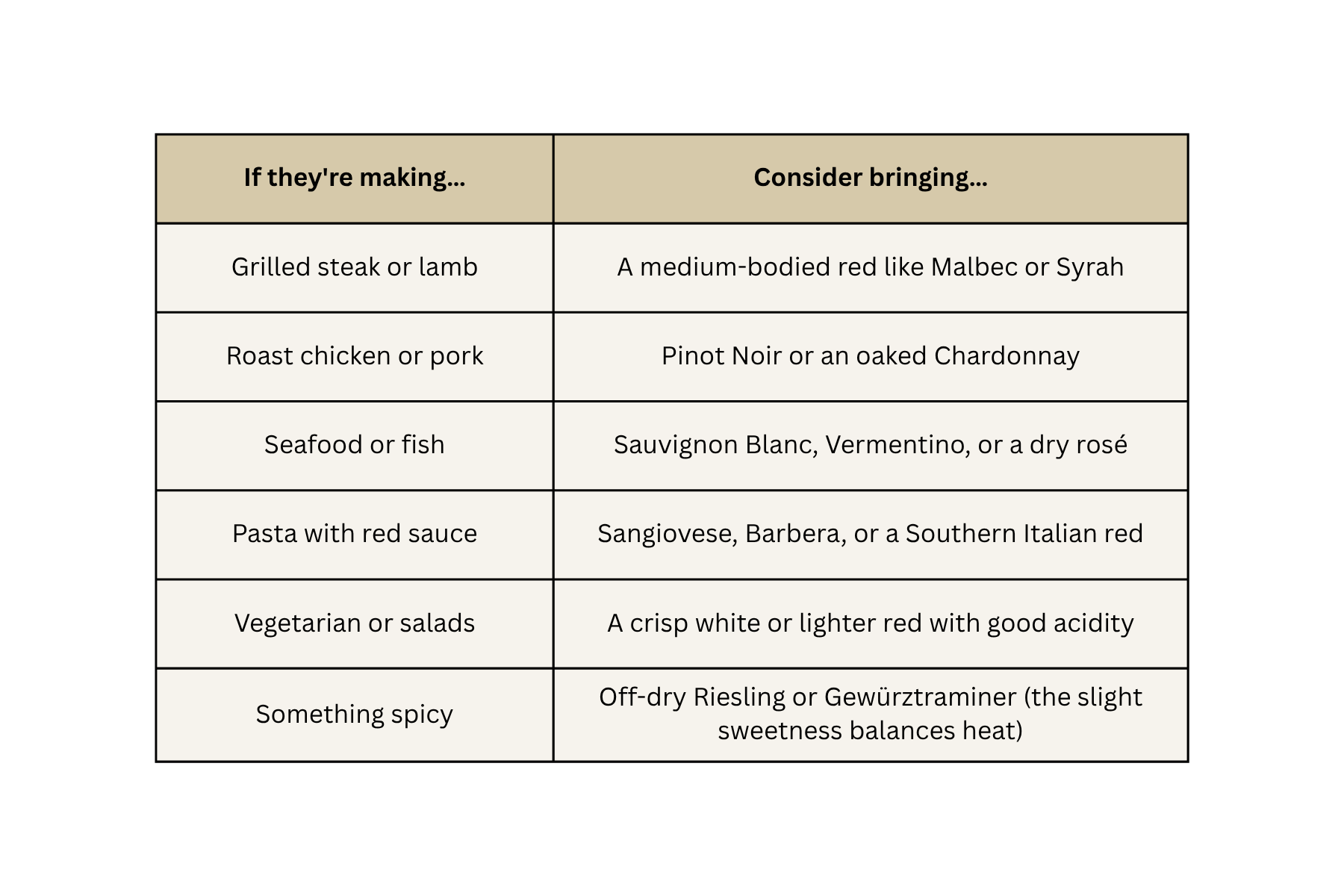
That said, don't stress too hard about perfect pairings. Even wine professionals will tell you: there are no wrong answers, just better matches [2]. If you bring something delicious, you've done your job.
What Price Range Says "I Tried" Without Overdoing It
Here's where people tend to second-guess themselves. You don't want to show up with something too cheap—but you also don't need to blow your budget to make a good impression.
The sweet spot for hostess gift wine: $15–$30.
In that range, you're solidly in "quality bottle" territory. You'll find interesting wines from smaller producers, well-made options from respected regions, and bottles with a little more character than the mass-produced stuff.
A few things to keep in mind:
Under $12 can feel like an afterthought—even if the wine is perfectly fine.
Over $40 might seem like you're trying too hard (or make your host feel awkward about opening it casually).
$18–$25 hits the mark for most casual-to-semi-formal dinners.
The goal is thoughtful, not flashy.
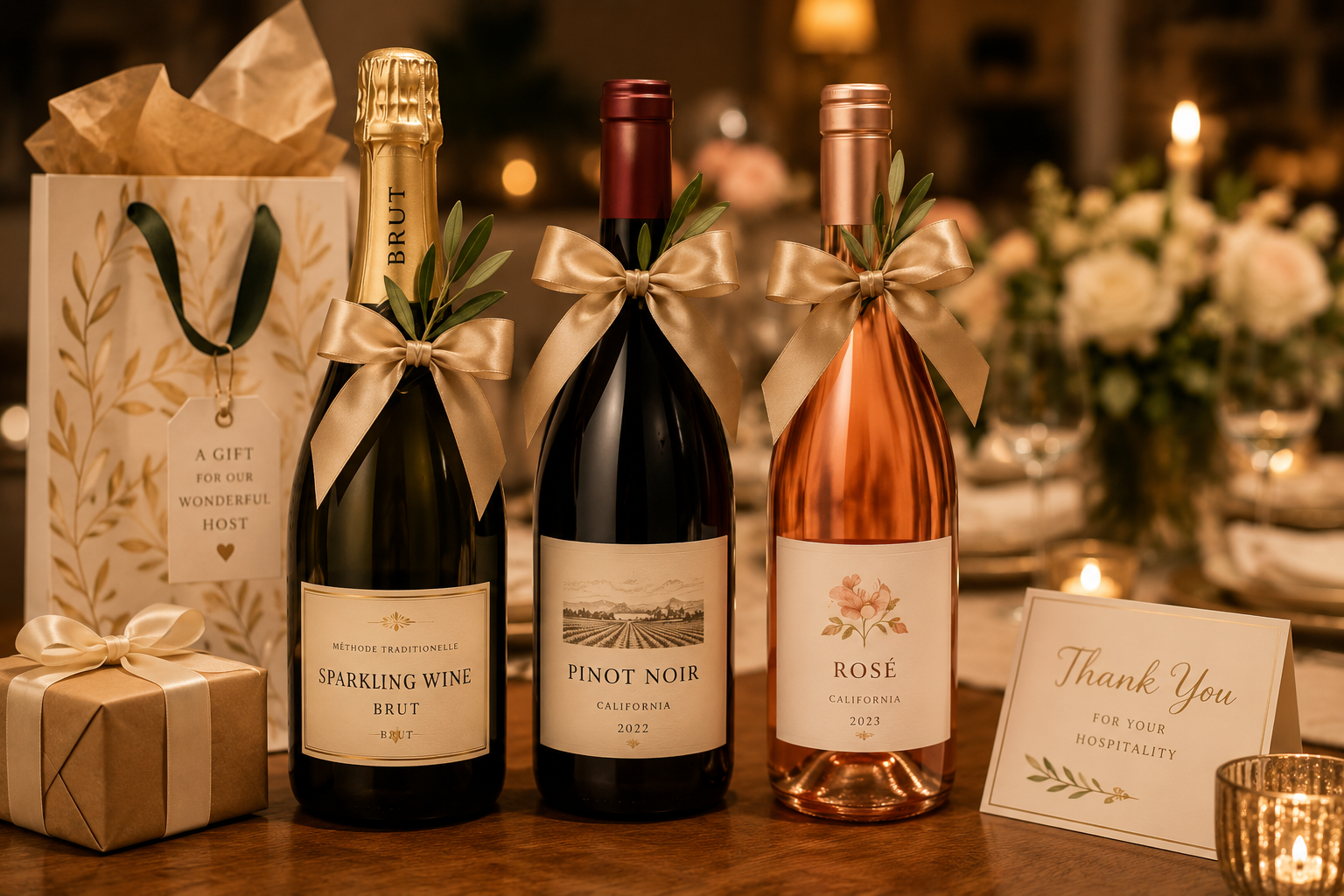
What NOT to Bring: Common Hostess Gift Wine Mistakes
Some choices—while well-meaning—can miss the mark. Here's what to avoid:
Don't Bring the Cheapest Recognizable Label
That bottle everyone has seen at every grocery store? It's not bad wine, necessarily. But it doesn't exactly scream "I put thought into this." If you're going to a wine bar or bottle shop anyway, ask for something a little more interesting in the same price range.
Don't Bring Something You Bought Years Ago and Forgot About
Unless you know it's been stored properly, that dusty bottle from your closet might not taste how it should. Heat, light, and time aren't kind to most wines—especially if they weren't built to age [3].
Don't Bring a Bottle You Expect Them to Open That Night
Again: the wine is a gift. If they want to open it at dinner, great. If they want to save it for Tuesday night in their pajamas, also great. Either way, don't make it weird by hovering near the corkscrew.
Don't Bring Overly Trendy or Polarizing Wines (Unless You Know Their Taste)
Natural wines, orange wines, or heavily oaked "butter bombs" have devoted fans—but also plenty of people who aren't into them. If you're not sure what your host likes, stick with something more universally appealing.
Don't Show Up Empty-Handed
Even if your host says "don't bring anything," bring something. A bottle of wine, a small bouquet, some nice chocolates—it's a gesture. Showing up without anything can feel a little off, even if no one says so.
Quick Tips for Picking a Wine You'll Feel Good About
Not sure where to start? Here's a cheat sheet:
Ask someone who knows wine. A good bottle shop employee can point you toward something interesting in two minutes flat. Tell them your budget and the occasion—they'll handle the rest.
Look for small producers or unfamiliar regions. These tend to offer better quality for the price than big-name brands spending heavily on marketing.
Check the back label. If it reads like genuine enthusiasm about the wine (not just generic tasting notes), that's usually a good sign.
When in doubt, bubbles. Sparkling wine is almost universally appreciated and feels like a celebration.
Trust your gut. If a bottle catches your eye and fits your budget, go for it. Confidence matters more than credentials.
Making Your Gift Feel a Little More Intentional
Want to elevate your hostess gift wine without spending more? Small touches go a long way:
Remove the price tag. Obvious, but often forgotten.
Add a simple note. Even something short like "Thanks for having us—can't wait for dinner!" makes the gift feel personal.
Present it nicely. A basic wine bag or even wrapping it in tissue paper shows you cared enough to make it presentable.
Mention why you chose it. "The shop recommended this for chicken dishes" or "I thought you'd like the label" gives your gift a little story.
These details don't cost anything extra—but they're the difference between "here's wine" and "I brought this for you."
Stop By and Pick Up Something Good
If standing in a grocery aisle trying to decode wine labels isn't your idea of fun, we get it. That's kind of the whole reason curated wine shops exist.
At The Pip, we keep a rotating selection of bottles that are actually interesting—stuff you won't find at the big-box stores. Tell us where you're headed and what you're willing to spend. We'll point you toward something that'll make you look like you know what you're doing (even if you're winging it).
Come hang out, grab a glass while you browse, and leave with a bottle your host will actually remember.

Frequently Asked Questions
Should I bring expensive wine to a dinner party?
Not necessarily. A bottle in the $18–$30 range shows thoughtfulness without being excessive. Going too high-end can make your host feel awkward about when to open it, or like they need to reciprocate with something equally pricey. Aim for quality, not extravagance.
Is it rude to expect my hostess gift wine to be served at dinner?
Traditionally, yes. The bottle belongs to your host to enjoy whenever they choose—that night or weeks later. They may have already selected wines to pair with their menu. Bring something you'd be happy for them to save, and let them decide.
What's a good wine to bring if I don't know what's being served?
Sparkling wine is the safest bet since it works as an aperitif or with most foods. Medium-bodied reds like Pinot Noir and crisp whites like Sauvignon Blanc are also versatile choices that pair well with a wide variety of dishes.
Can I bring rosé to a dinner party in winter?
Absolutely. Dry rosé is a year-round wine, despite its reputation as a summer sipper. A quality rosé from Provence or a well-made domestic version works beautifully with fall and winter dishes, especially lighter proteins and vegetable-forward meals.
What if my host says not to bring anything?
Bring something anyway. It's a social nicety—your host is being polite, but showing up with a small gift (wine, flowers, chocolates) is the gracious move. It doesn't need to be extravagant, just thoughtful.
Why Trust This Guide
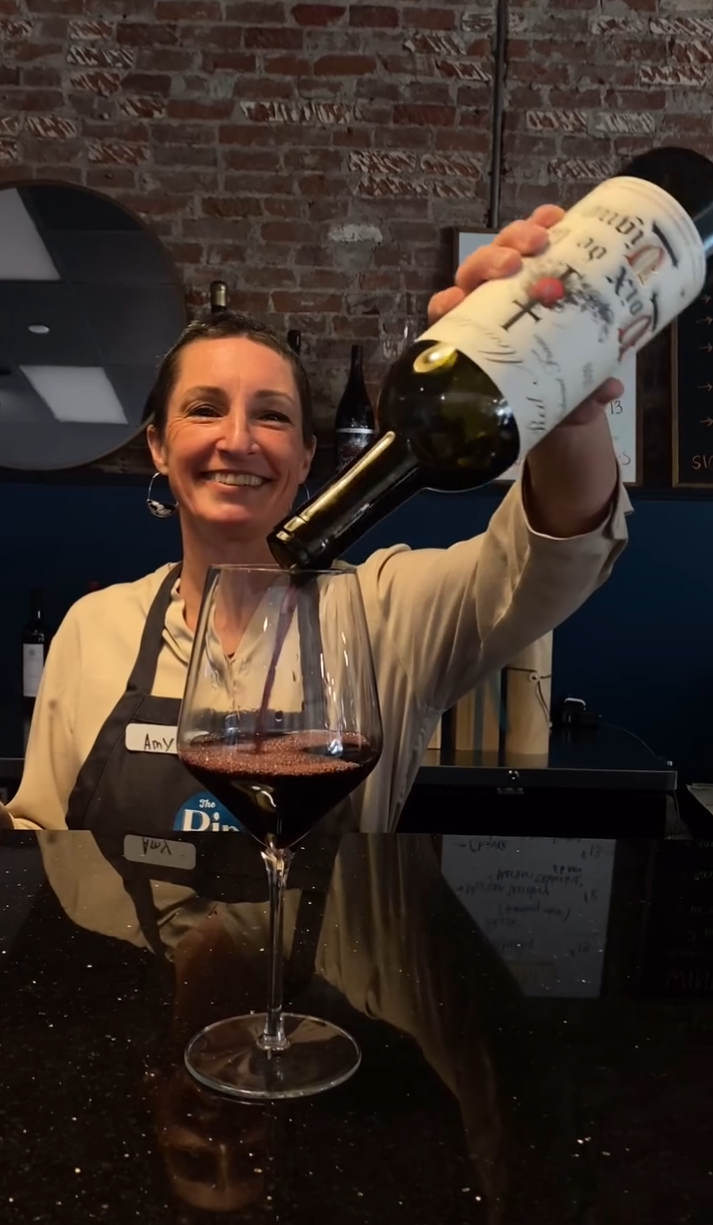
The Pip Wine Bar & Shop is a curated wine bar and bottle shop in Downtown Dixon, California. We spend our days helping people find bottles they'll actually love—whether it's for a quiet Tuesday night or a dinner party they want to nail. Our selection focuses on small producers and unique finds you won't see in big-box stores, and our team is always happy to help match a bottle to an occasion (and a budget). No judgment, no pretense—just good wine and honest recommendations.
Cited Works
[1] Emily Post Institute — "Hostess Gifts." https://emilypost.com/advice/hostess-gifts
[2] Wine Folly — "Food and Wine Pairing Basics." https://winefolly.com/deep-dive/food-and-wine-pairing-basics/
[3] Wine Spectator — "How to Store Wine at Home." https://www.winespectator.com/articles/how-to-store-wine-at-home