
Large Groups at a Wine Bar: How to Plan a Night Everyone Will Enjoy
Gathering your favorite people for wine, conversation, and a few hours of catching up sounds like a perfect evening. But showing up to a cozy wine bar with eight friends on a busy Saturday night—no heads-up, no plan—can create headaches for everyone, including your group.
A little planning goes a long way. Wine bars operate differently than restaurants or large event venues. The space is intimate. Seating is limited. And the regulars who keep these small businesses thriving notice when their go-to spot suddenly feels overcrowded.
This guide covers how to plan a group visit that actually works—so your party gets the experience you want, the staff can take great care of you, and everyone leaves happy.
Why Wine Bars Handle Large Groups Differently
Most wine bars are designed for intimacy, not high volume. The small footprint, curated atmosphere, and personalized service that make them appealing also mean they can't easily absorb a surprise party of ten.
When a large group walks in unannounced, a few things tend to happen:
Seating becomes a puzzle. Small tables meant for two or four don't combine into banquet setups. Staff scramble to rearrange, and suddenly half the room belongs to one party.
Service stretches thin. Your server now splits attention between managing your group's orders and caring for everyone else.
The vibe shifts for other guests. People who came expecting a quiet glass and conversation find themselves in a much louder, more crowded room than they planned for.
Independent wine bars typically operate on profit margins between 3-9%, according to industry data from the National Restaurant Association [1]. That leaves little room for unpredictable revenue swings—which is why the regulars who visit consistently matter so much to these businesses.
The Regulars Who Keep Wine Bars Alive
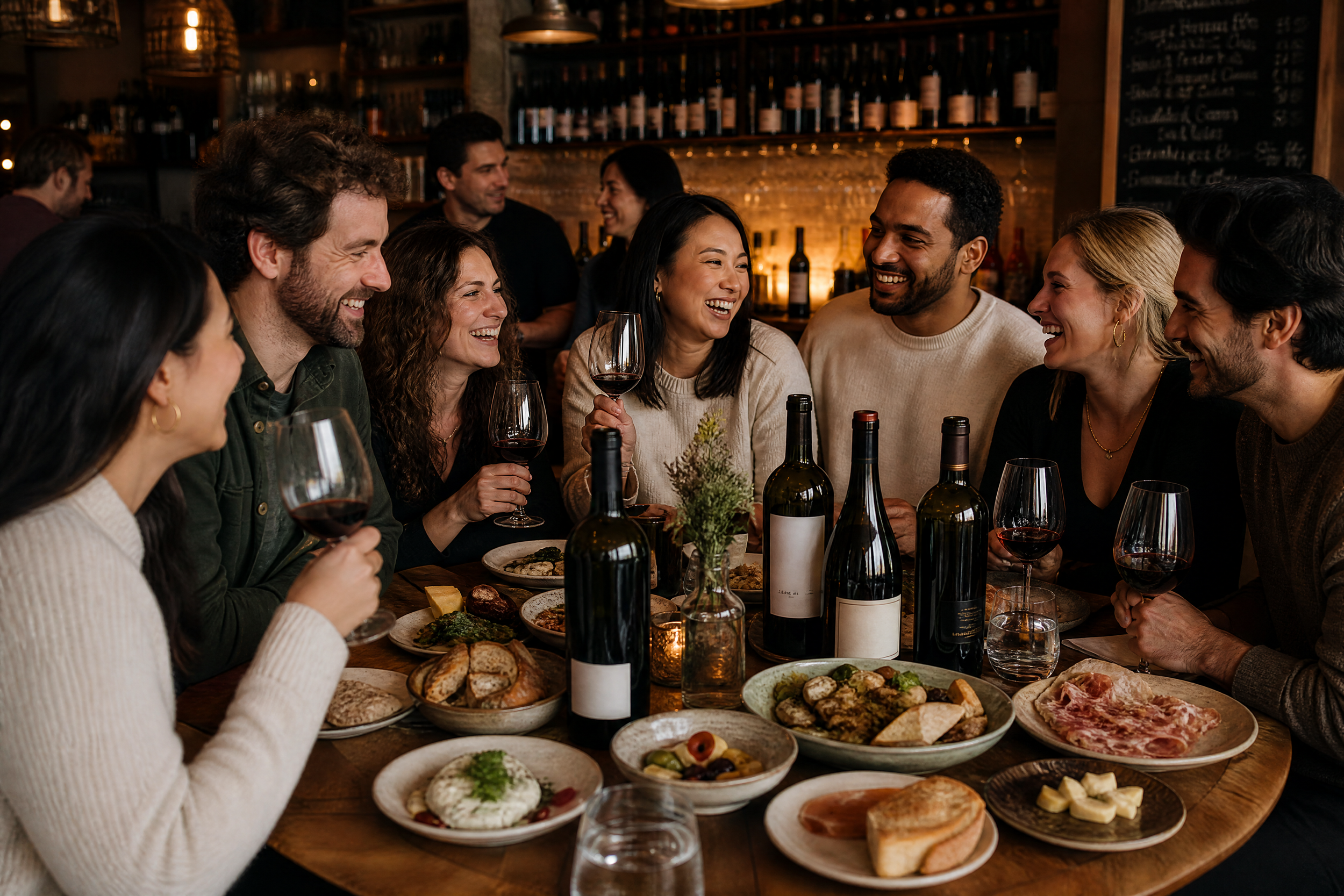
Group organizers often overlook this reality: wine bars depend heavily on repeat customers.
A regular might visit twice a week, order a glass and a small bite, and stay for an hour. Multiply that across months and years, and you see steady revenue that keeps the doors open. That consistent rhythm funds the curated wine selection, pays the knowledgeable staff, and maintains the atmosphere that drew you there in the first place.
When a large group takes over half the seating on a walk-in basis—especially if they split checks, stay for hours, and order sparingly—the business may actually come out behind compared to serving their usual crowd.
This isn't about making groups feel unwelcome. Understanding the economics simply helps you approach planning more thoughtfully. Small hospitality businesses face real constraints, and guests who recognize that tend to get treated exceptionally well.
Planning Your Group Visit
Good planning benefits everyone. Your group gets better service, the bar can prepare appropriately, and other guests don't feel displaced.
Contact the Bar Before Your Visit
Even if the bar doesn't take formal reservations, a quick heads-up makes a real difference. A call or email saying "We're a group of eight hoping to come by Saturday around 7" lets staff:
Prepare for higher volume
Potentially set aside space
Adjust staffing if needed
Let you know honestly if that timing won't work
Most wine bars appreciate the consideration and will work to accommodate you when given advance notice.
Ask About Timing That Works Best
Not every time slot handles groups equally well. Friday at 7 PM during peak hours? That's when the room tends to fill with people expecting a certain atmosphere. Wednesday at 5 PM? Much easier to absorb a larger party.
When you reach out, ask directly: "When would be the best time for a group our size?" You might get steered toward happy hour or quieter weeknights where your group enhances the atmosphere rather than straining it.
Confirm Your Headcount and Honor It
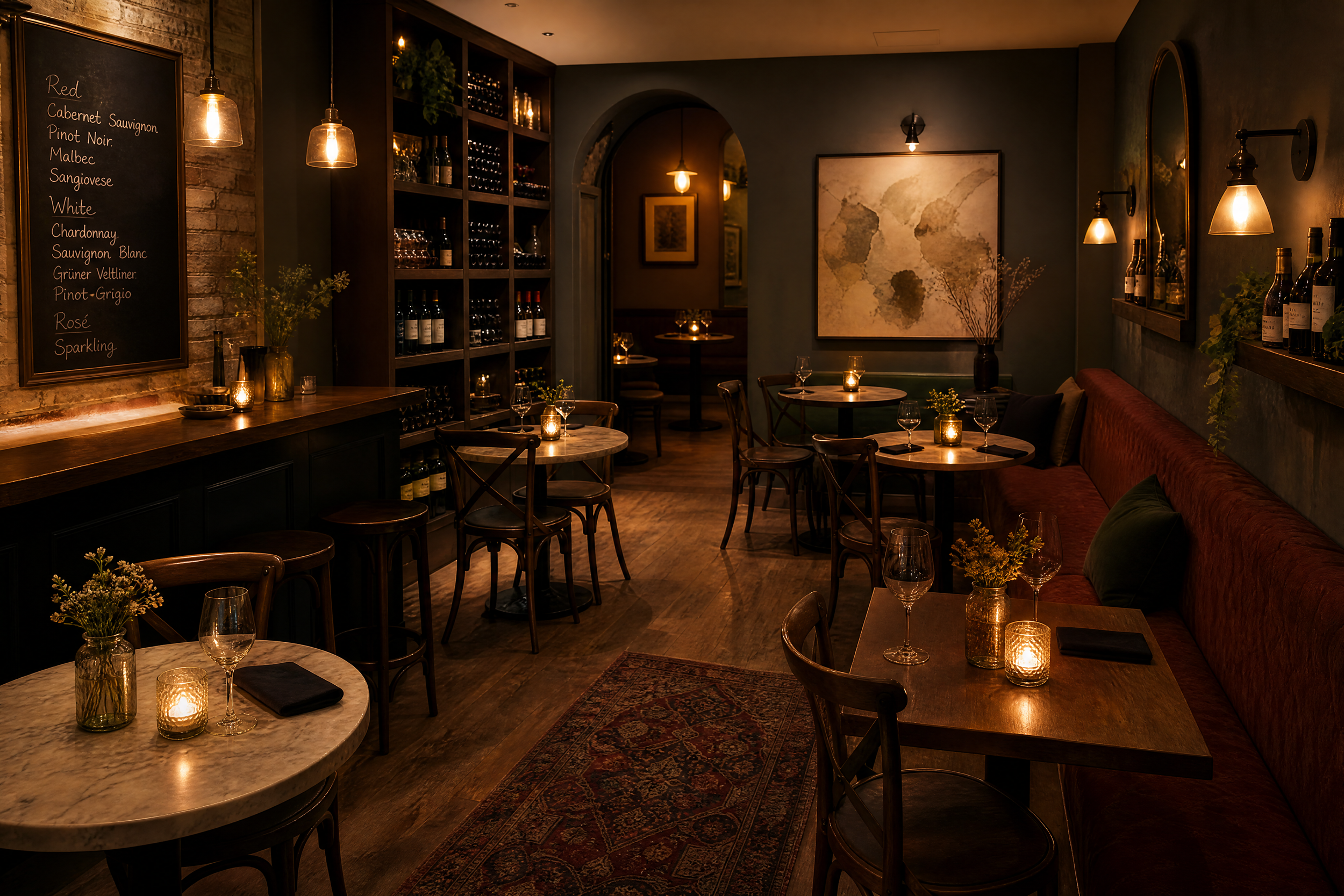
"It'll be around six to ten people, depending on who shows up" creates real challenges for a small venue. Every seat matters when there are only thirty of them.
Confirm your actual headcount before arrival. If someone cancels, let the bar know. If more people want to join, check first rather than assuming extra guests are fine.
Consider a Private Party for Larger Celebrations
For groups larger than six or seven—especially if you're celebrating something specific—a private party often delivers a better experience for everyone involved.
Private parties typically offer dedicated space, staff focused entirely on your group, and flexibility with timing and setup. Many wine bars welcome private event bookings because they're strong revenue opportunities that don't disrupt regular service. Ask about options when you reach out. You might find it's more accessible than expected, and it removes the uncertainty of trying to squeeze a large group into regular seating.
Being a Great Guest Once You Arrive
Planning gets you through the door smoothly. What happens once you're there shapes whether you become the kind of group that's always welcome back.
Stay Aware of Your Footprint
Avoid the gradual sprawl where bags end up on empty chairs, jackets drape across neighboring tables, and your group expands into every available inch. Stay conscious of the space you're occupying and keep your belongings contained.
Order in Proportion to Your Time and Space
Groups that order one glass each and nurse it for two hours while taking up half the bar put the business in a difficult position. You don't need to overspend, but ordering in a way that reflects your time and space is part of being a considerate guest.
A few approaches that work well:
Share bottles instead of individual glasses. This simplifies service and often provides better value per pour.
Order large-format options when available. Magnums or carafes work beautifully for groups and reduce back-and-forth trips for staff.
Add shared food to the table. Charcuterie boards, small plates, or whatever tapas-style options the bar offers make the experience more fun and support the business.
Order another round if you're staying a while. If you've been there two hours, a second order keeps the relationship balanced.
Mind Your Volume
Wine bars cultivate a conversational atmosphere rather than a rowdy one. A group of eight naturally generates more noise than couples at neighboring tables. You can absolutely have fun—just stay aware of the room around you and dial back if needed.
Handle Payment Simply
Split checks for large groups create bottlenecks that slow down service for everyone. Designate one person to handle the tab, or use payment apps to settle up among yourselves afterward. Keeping it simple for staff is a small gesture that makes a meaningful difference.
When You Can't Plan Ahead
Sometimes spontaneity wins. You're out with friends, someone suggests wine, and you head to a nearby bar without calling first. It happens.
Assess the room honestly. Walk in and look around. If the place is already packed, consider going elsewhere rather than cramming in.
Ask before seating yourselves. Approach the host or bar and say, "We're a group of seven—is now a good time, or would another day work better?" Let them tell you what's realistic.
Stay flexible. They might seat part of your group at the bar and part at a small table. They might suggest returning in an hour. Roll with whatever they offer.
Recognize the extra effort. If they accommodate a walk-in group during a busy period, generous tipping acknowledges that flexibility.
Questions Worth Asking When You Reach Out
Not sure what to say when contacting a wine bar about a group visit? These questions signal that you're a thoughtful guest:
What time works best for a group our size?
Do you have a minimum spend or time guideline for groups?
Can we pre-select wines or order when we arrive?
Is there a separate area that would work well for us?
Would a private party make more sense for what we're planning?
These questions show respect for the business and almost always result in better treatment when you arrive.

The Long-Term Benefit of Thoughtful Planning
There's an unexpected payoff to approaching group visits this way: you become a preferred guest.
Wine bars remember the groups that called ahead, arrived on time, ordered well, and respected the room. Next time you reach out, you get the better seating. You get staff who engage with genuine enthusiasm. You might get recommendations for bottles that aren't on the regular list.
Small businesses notice who treats them well. Being a considerate group earns you the kind of treatment usually reserved for regulars—even if you only visit a few times a year.
Ready to Plan Your Group Outing?
Whether you're organizing a birthday celebration, a reunion, or just a fun evening with friends, taking a few minutes to plan makes all the difference.
For larger groups or special occasions: Reach out about a private party. Most wine bars love hosting these events and can work with you on timing, space, and details.
For smaller groups: Call ahead, ask about timing, confirm your headcount, and show up ready to enjoy yourselves.
Either way, a little planning turns a good idea into a great night.
Frequently Asked Questions
How many people is too many for a walk-in at a wine bar?
Groups larger than four or five should generally call ahead. Beyond six, advance notice or a private booking becomes almost essential. Every wine bar has different capacity, so asking directly is always the safest approach. A quick call takes two minutes and prevents awkwardness for everyone involved.
Do wine bars charge extra for large groups?
Some implement automatic gratuity for parties above a certain size, typically six to eight guests. Others may have minimum spend guidelines during peak hours. Asking when you call ahead avoids surprises and shows you understand their policies. Most venues appreciate guests who ask these questions upfront.
What's the difference between a reservation and a private party?
A reservation holds a table during regular service—you're still sharing the space with other guests and working within the bar's normal flow. A private party gives you dedicated space, focused attention from staff, and flexibility with timing, setup, and sometimes menu options. For celebrations, private parties often deliver a better experience.
Should we order bottles or glasses for a group?
Bottles work better for large groups in almost every situation. They simplify service, typically provide better value per glass, and give everyone something to share. Ask staff for recommendations that accommodate different preferences within your group—they do this regularly and can guide you toward options that work for varied tastes.
Is it rude to ask about off-peak times for groups?
Not at all—staff genuinely appreciate when guests self-select into slower periods. You'll often get better service, more space, and a more relaxed experience than showing up during the busiest hours. It's a considerate question that benefits everyone.
About This Guide
This guide was developed to help groups enjoy wine bar visits thoughtfully—balancing the fun of gathering with the practical realities of how small hospitality businesses operate. The insights reflect common industry practices, hospitality economics, and the perspective of venues that depend on regular customers for long-term sustainability. Understanding these dynamics helps everyone have a better experience.
Cited Works
[1] National Restaurant Association — "Restaurant Industry Facts at a Glance." https://restaurant.org/research-and-media/research/industry-statistics/national-statistics/