Personal Wine Collection Planning: What to Expect From a Wine Advisor
You've got bottles scattered across the kitchen counter, a few tucked in a closet, and that case you picked up on vacation sitting in the garage. Sound familiar? If you've ever wondered whether there's a smarter way to approach buying and storing wine, personal wine collection planning might be exactly what you need.
Working with a wine advisor isn't just for people with dedicated cellars or six-figure budgets. It's for anyone who wants to stop accumulating bottles randomly and start building something intentional—a collection that actually matches how you drink, what you enjoy, and where you want to go with your palate.
Here's what that process actually looks like, what questions to expect, and how to get the most out of the experience.
What Is Personal Wine Collection Planning?
At its core, collection planning is about creating a personalized roadmap for buying, storing, and enjoying wine. A wine advisor helps you figure out what belongs in your collection based on your lifestyle, preferences, and goals—not what's trending or what someone else thinks you should own.
This isn't investment advice. We're not talking about wine as an asset class or speculating on future auction values. This is about building a collection you'll actually drink and enjoy over time [1].
Think of it like this: a good advisor helps you avoid the two most common mistakes home collectors make. First, buying bottles that don't match your taste or drinking timeline. Second, accumulating wine faster than you can reasonably enjoy it.
Why Work With a Wine Advisor?
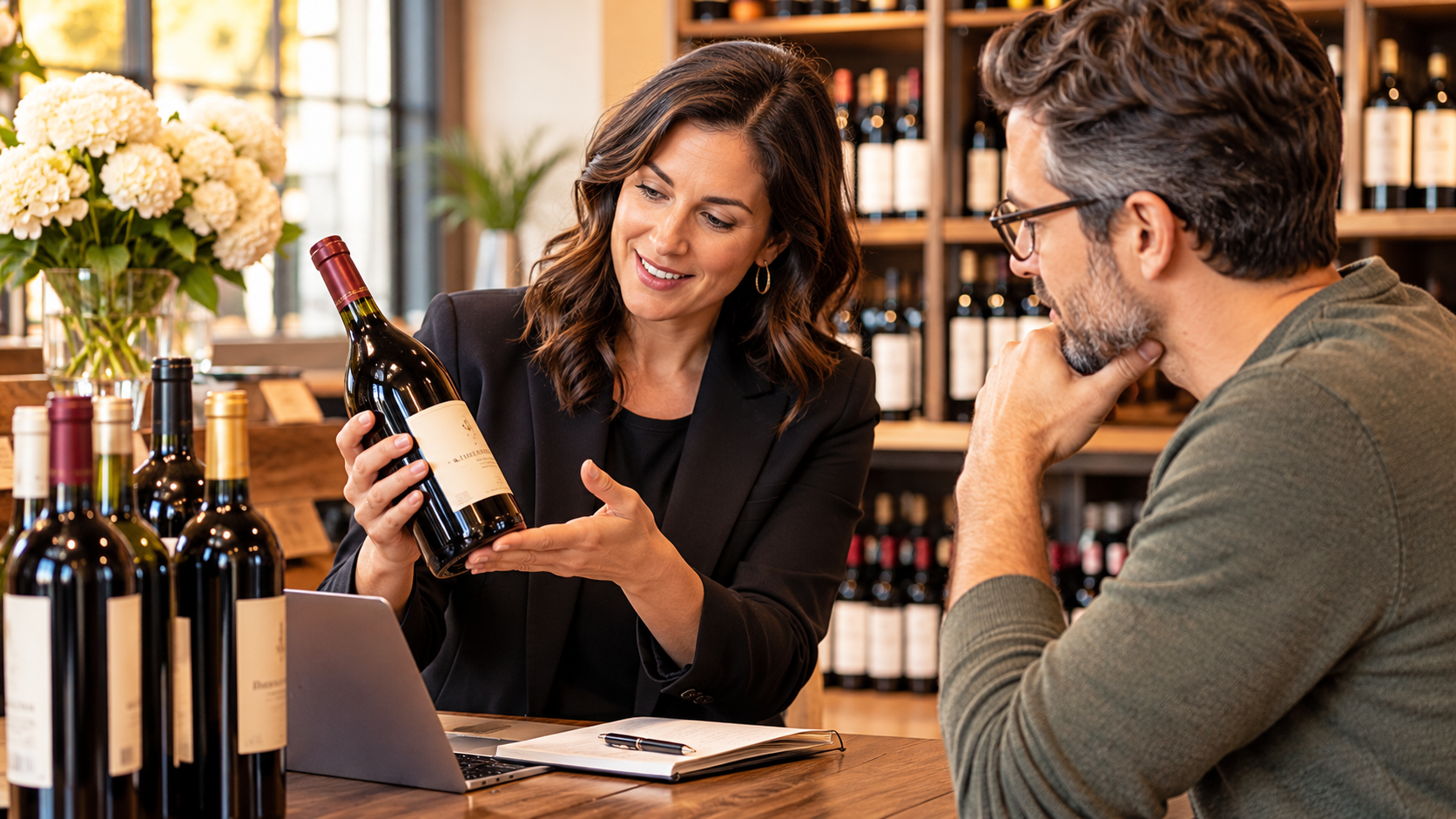
You might be wondering: can't I just figure this out myself? Sure, you can. But here's what an advisor brings to the table.
Clarity on what you actually like. Most people know they enjoy wine but struggle to articulate why they like certain bottles. An advisor helps you identify patterns—do you gravitate toward bright, crisp whites or bold, structured reds? Do you prefer Old World restraint or New World fruit-forward styles? This clarity shapes every recommendation that follows.
A realistic drinking horizon. One of the biggest collection mistakes is buying age-worthy wines when you mostly drink young, fresh bottles. Or the opposite—grabbing easy-drinking wines when you're trying to build a cellar for the long haul. A good advisor matches your collection to when you'll actually open those bottles [2].
Budget alignment. A thoughtful plan keeps you from overspending in one area while neglecting another. Maybe you need more everyday pours and fewer special-occasion splurges. Maybe it's the reverse. Either way, you'll know where your money is going and why.
What to Expect in Your First Consultation
Walking into a collection planning session—whether it's at a local wine shop, a private tasting, or even a virtual consultation—usually starts with a lot of questions. Good questions. The kind that help an advisor understand who you are as a wine drinker.
Expect to discuss:
How often you drink wine. A bottle a week? Several bottles a month? This determines how quickly you'll move through your collection.
What occasions call for wine. Tuesday dinner at home? Weekend entertaining? Special celebrations? Each scenario calls for different bottles.
Your current storage situation. Do you have a temperature-controlled space, a wine fridge, or just a cool closet? Storage capacity and conditions directly impact what you should buy.
Your taste preferences. What have you loved recently? What have you hated? Don't be shy—there are no wrong answers here.
Your goals. Are you trying to explore new regions? Build depth in a favorite style? Have something special for milestones?
This conversation is collaborative, not interrogative. A good advisor listens more than they talk, at least at the start.
Setting Realistic Goals for Your Collection
Here's where things get practical. Based on your answers, an advisor helps you set collection goals that make sense for your life.
Size matters. A manageable collection for most home enthusiasts is somewhere between 20 and 100 bottles, depending on how much you drink and how much you can properly store. Bigger isn't always better. A smaller, well-curated collection beats a sprawling mess of random bottles every time.
Balance is key. Most advisors recommend thinking in categories:
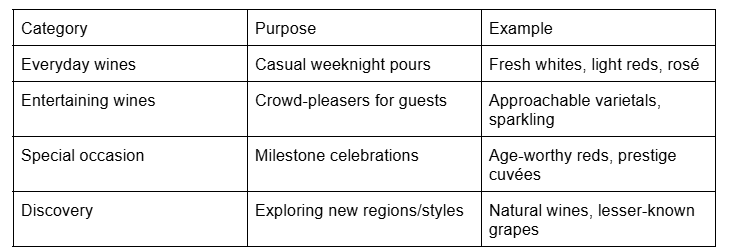
The exact ratio depends on you. Someone who entertains weekly needs more crowd-pleaser bottles than someone who mostly drinks solo on the couch.
Timeline planning. An advisor helps you think about rotation—how new bottles enter your collection and how you ensure older ones get opened before they're past their prime. This prevents the dreaded "too many bottles, not enough occasions" problem [3].
Avoiding Unwanted Accumulation
Let's talk about the elephant in the room. Most casual collectors have bottles they've forgotten about, duplicates they didn't mean to buy, or wine that's been sitting too long in bad conditions.
A wine advisor helps you establish systems to avoid this:
Purchase triggers. Buy with intention, not impulse. Know what categories need filling before you shop.
Inventory tracking. Even a simple spreadsheet works. Note what you have, where it's stored, and when to drink it.
Drinking discipline. This sounds funny, but it's real. Some people collect faster than they consume. Building in "drinking goals" keeps your collection healthy.
Quality over quantity. One great bottle beats three mediocre ones. A good advisor pushes back when you're tempted to over-buy.
What About Storage?
Storage is non-negotiable for any serious collection. Wine is sensitive to temperature, light, humidity, and vibration. An advisor will assess your current setup and make honest recommendations.
Ideal conditions: 55°F (13°C), 70% humidity, minimal light, bottles stored on their side. If you can't hit these marks, your advisor might suggest limiting your collection to wines meant for near-term drinking rather than long-term aging.
Practical options:
A quality wine fridge (starting around $200–$500 for small units)
A cool, dark closet (not perfect, but workable for short-term storage)
Off-site storage facilities (for serious collectors with space constraints)
Don't let perfect be the enemy of good. Even modest improvements to your storage can significantly extend the life of your bottles.
Building a Relationship With Your Advisor
The best collection planning isn't a one-time event. It's an ongoing relationship.
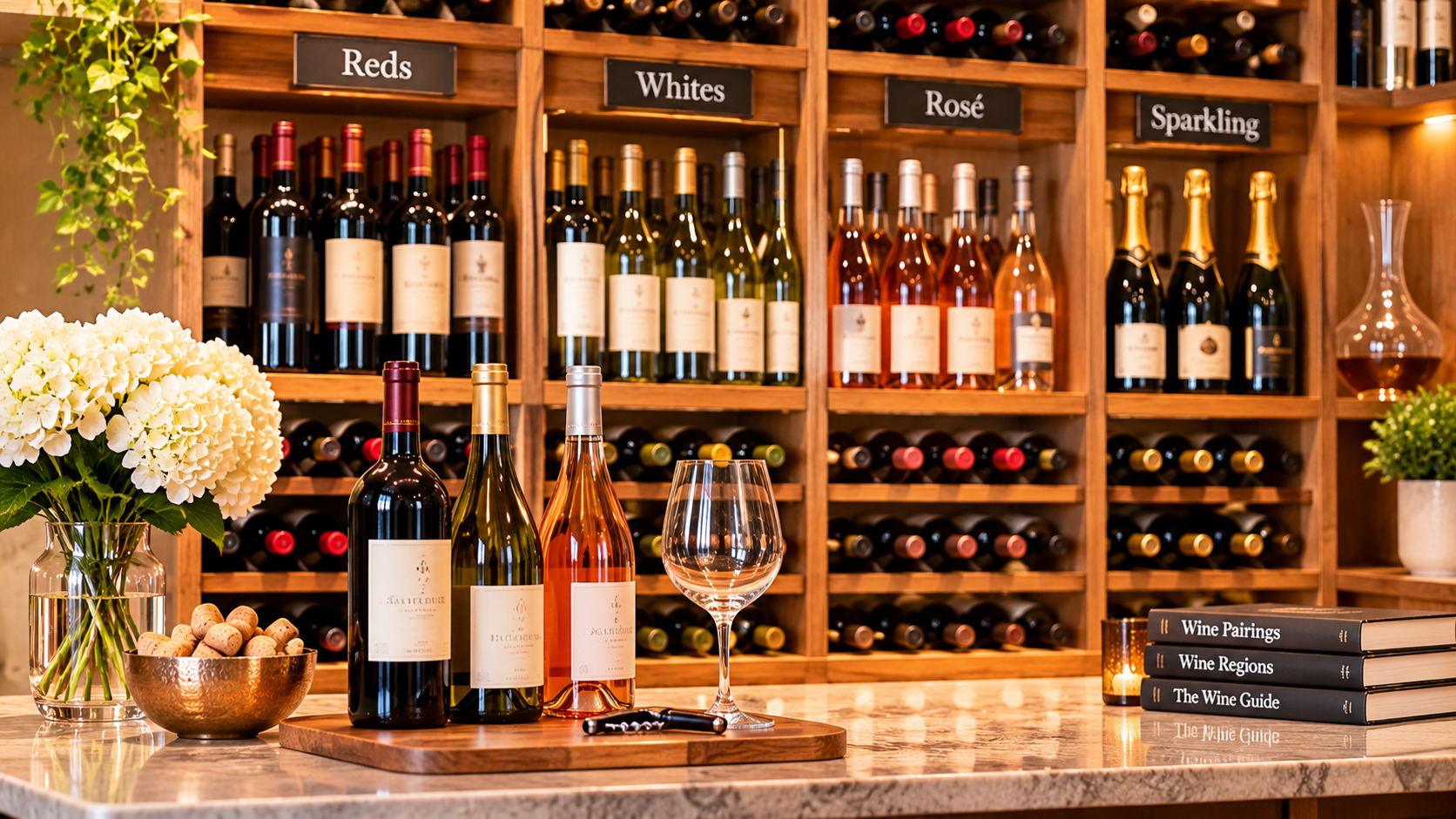
Your advisor gets to know your palate over time. They remember what you've loved and what missed the mark. They alert you to new arrivals that fit your profile. They help you adjust your plan as your tastes evolve.
This is especially valuable at a local wine bar and shop, where staff can track what you've tried and make increasingly personalized recommendations. It's not about upselling—it's about genuinely helping you drink better.
Questions to Ask Before You Start
Going into a planning session? Here are questions worth asking:
How do you approach collection planning for someone at my experience level?
What information do you need from me to make good recommendations?
How do you balance my stated preferences with encouraging me to try new things?
What's your philosophy on collection size for someone who drinks as often as I do?
How do we handle it when you recommend something I don't end up liking?
These questions help you gauge whether the advisor's approach matches what you're looking for.
When Collection Planning Makes the Most Sense
Not everyone needs a formal collection plan. But certain situations make it especially valuable:
You're moving into a home with dedicated wine storage and want to fill it thoughtfully
You've inherited bottles and aren't sure what to do with them
You keep buying wine but rarely open it
You want to mark milestone years (birth year wines, anniversary vintages)
You're hosting a significant event and need help building a selection
You're simply tired of grabbing random bottles at the grocery store
If any of these resonate, a conversation with an advisor is worth your time.
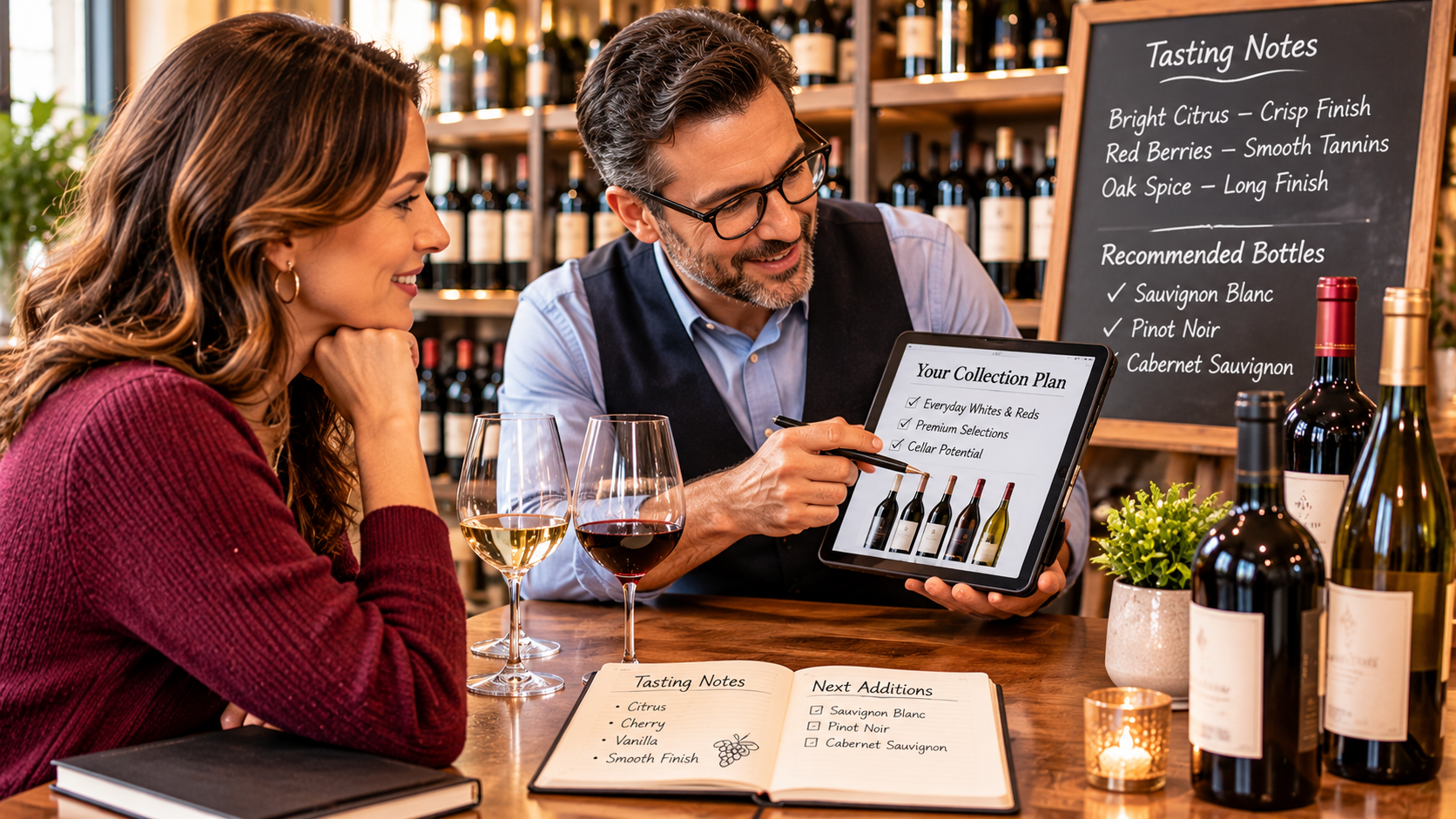
Start Building a Collection That Fits Your Life
Personal wine collection planning takes the guesswork out of buying and helps you build something you'll actually enjoy. No more dusty bottles you forgot about. No more impulse buys that don't fit your taste. Just a curated selection that matches how you live and drink.
Curious what this looks like in practice? Come hang out with us at The Pip. Tell us what you're working with—your storage, your budget, your favorite recent pour—and we'll help you figure out the next steps. No pressure, no jargon, just honest guidance from people who love helping you find your next favorite bottle.
Frequently Asked Questions
How many bottles should a beginner collector aim for?
Start small—somewhere between 12 and 24 bottles is plenty for most beginners. This gives you enough variety for different occasions without overwhelming your storage or your budget. You can always expand as you learn more about what you enjoy and develop better storage options. The goal is quality and intention, not quantity.
Do I need expensive storage equipment to start a wine collection?
Not necessarily. If you're drinking bottles within a few months of purchase, a cool, dark closet works fine. For longer-term storage or more delicate wines, a basic wine fridge makes a real difference. Focus on consistent, moderate temperatures and keeping bottles away from light and vibration. Upgrade your storage as your collection and commitment grow.
How is collection planning different from wine investment advice?
Collection planning focuses entirely on wines you'll drink and enjoy personally. It considers your taste, your timeline, and your lifestyle—not potential resale value or market trends. Investment-grade wine collecting is a separate discipline with different goals, risks, and expertise requirements. A good advisor for personal collections keeps the focus on your enjoyment, not speculation.
How often should I revisit my collection plan with an advisor?
Most people benefit from a check-in every six months to a year. Your tastes evolve, your drinking patterns shift, and new wines become available. Regular conversations help you stay on track, rotate aging bottles before they peak, and adjust your buying to match any changes in your life or preferences.
Can a wine advisor help if I already have bottles I don't know what to do with?
Absolutely. Evaluating an existing collection is a common starting point. An advisor can help you identify what's worth holding, what should be opened soon, and what might not be worth keeping. This kind of audit often provides immediate clarity and prevents good bottles from going to waste.
About Our Expertise
The Pip Wine Bar & Shop is a curated wine destination in the heart of Downtown Dixon, California. Our team specializes in helping guests discover wines they'll love—whether that's a single glass at the bar or building a collection to enjoy at home. We work with small producers and unique selections you won't find at big-box stores, and we pride ourselves on approachable, low-pressure guidance for drinkers at every experience level. When it comes to understanding wine and helping you find your favorites, we've done the homework so you can simply enjoy the pour.
Works Cited
[1] Wine Spectator — "Building a Wine Collection: A Beginner's Guide."
https://www.winespectator.com/articles/building-a-wine-collection-beginners-guide
[2] Decanter — "How to Start a Wine Collection."
https://www.decanter.com/learn/how-to-start-a-wine-collection/
[3] Wine Folly — "Wine Storage Basics: 5 Rules for Storing Wine."
https://winefolly.com/tips/wine-storage-basics/