Private Wine Tasting at Home or Work: How to Plan It Without Becoming the Sommelier
You want to host a private wine tasting. Maybe it's a team-building event at the office, a birthday celebration at home, or just an excuse to get your friends together and drink something better than whatever's on sale at the grocery store.
Here's the thing: you don't need to become a certified sommelier to pull this off. You don't need to memorize regions, vintages, or the difference between Burgundy and Bordeaux. What you need is a plan, the right partner, and a willingness to let someone else handle the hard parts.
This guide walks you through everything—group size, timing, food pairings, logistics, and the questions you should ask any wine provider before you commit. By the end, you'll have a checklist that makes hosting feel easy instead of overwhelming.
Why Private Wine Tastings Work for Groups
Private wine tastings create a shared experience that's hard to replicate with other activities. Unlike a dinner reservation where everyone orders separately, a tasting puts the whole group on the same journey. You're trying the same wines, comparing notes, and building conversation naturally [1].
For workplace events, tastings offer something rare: genuine engagement without forced icebreakers. People relax. They ask questions. They discover preferences they didn't know they had. For home gatherings, tastings elevate a regular get-together into something memorable—without requiring you to cook a five-course meal.
The key is keeping it comfortable and low-pressure. The best tastings feel like guided discovery, not a pop quiz.
Start With Your Group Size
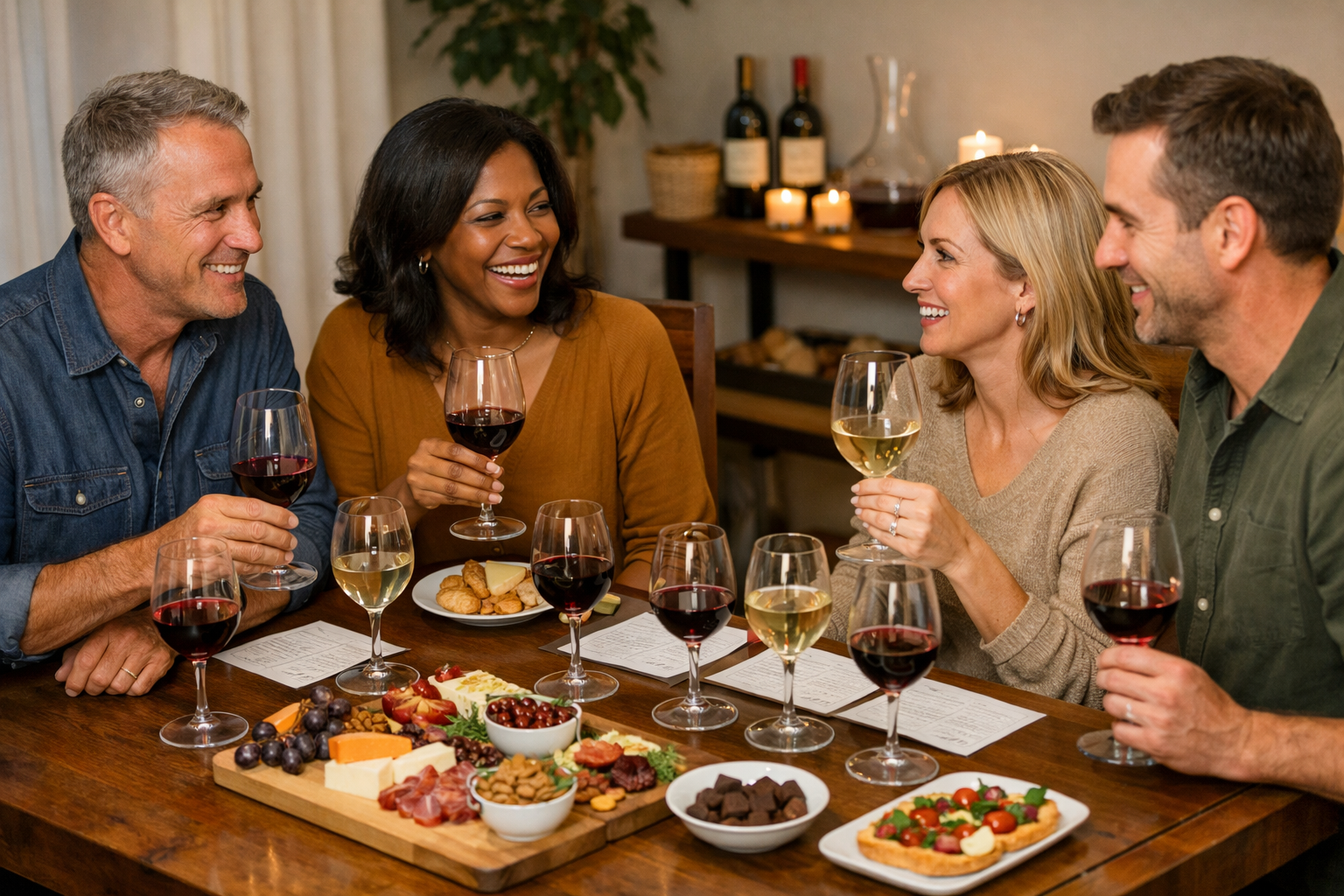
Group size shapes almost every other decision. Here's how to think about it:
Intimate gatherings (4–8 people)This is the sweet spot for learning and conversation. Everyone can hear the host, ask questions, and share opinions. You'll need less wine (roughly one bottle per two guests for a tasting flight of four to six wines) and seating is easier to arrange.
Medium groups (9–16 people)Still manageable, but you'll want to consider whether you need two conversation clusters or a more structured presentation style. Plan for more wine and more glassware—rental might make sense here.
Larger groups (17–30+)At this scale, you're running an event, not just hosting friends. Professional support becomes essential unless you're very experienced. Think about acoustics, sightlines, and flow.
What to write down:
Confirmed guest count
Maximum capacity of your space
Whether you'll need extra seating or tables
Choose Your Timing Wisely
When you host matters almost as much as what you pour.
Best time slots for home tastings:
Saturday afternoon (2–5 PM): relaxed, plenty of time, no rush
Friday evening (6–8 PM): end-of-week celebration energy
Sunday afternoon: brunch-to-wine transition works beautifully
Best time slots for workplace tastings:
Late afternoon (4–6 PM): signals "work is done, fun begins"
Avoid midday—alcohol and afternoon productivity don't mix well
Consider ending the workweek with it as a team reward
Duration planning:Most tastings run 90 minutes to two hours. Factor in arrival buffer, introduction, actual tasting, and mingling time. If you're serving food, add 30 minutes.
What to write down:
Date and start time
Planned duration
Buffer time for setup and cleanup
Figure Out Your Food Situation
Wine without food is a missed opportunity. Food doesn't just complement wine—it protects your guests from drinking on empty stomachs and extends the experience naturally.
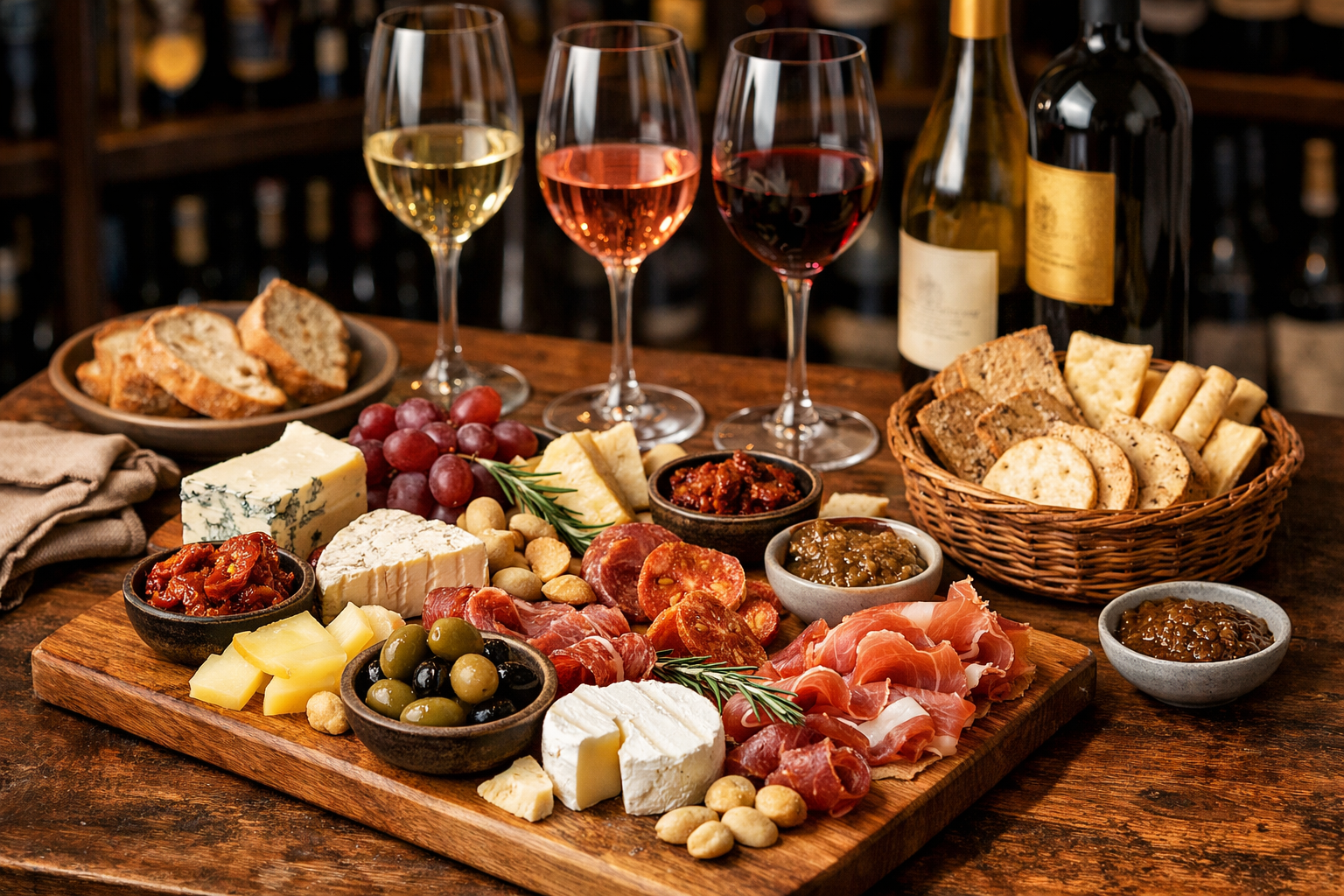
Simple pairing approach:You don't need elaborate dishes. Think tapas-style: small bites that enhance without overwhelming.
Crowd-pleasing options:
Cheese board (mix soft, hard, and aged varieties)
Cured meats and olives
Bread, crackers, and olive oil
Nuts (marcona almonds are classic)
Fresh and dried fruit
Dark chocolate for sweeter wines
For workplace events:Consider dietary restrictions more carefully. Label everything. Offer vegetarian and gluten-free options prominently.
What to write down:
Who's handling food (you, caterer, or wine provider)
Dietary restrictions in your group
Timeline for food prep or delivery
Glassware and Supplies: The Overlooked Details
Nothing derails a tasting faster than realizing you only own six wine glasses for twelve guests.
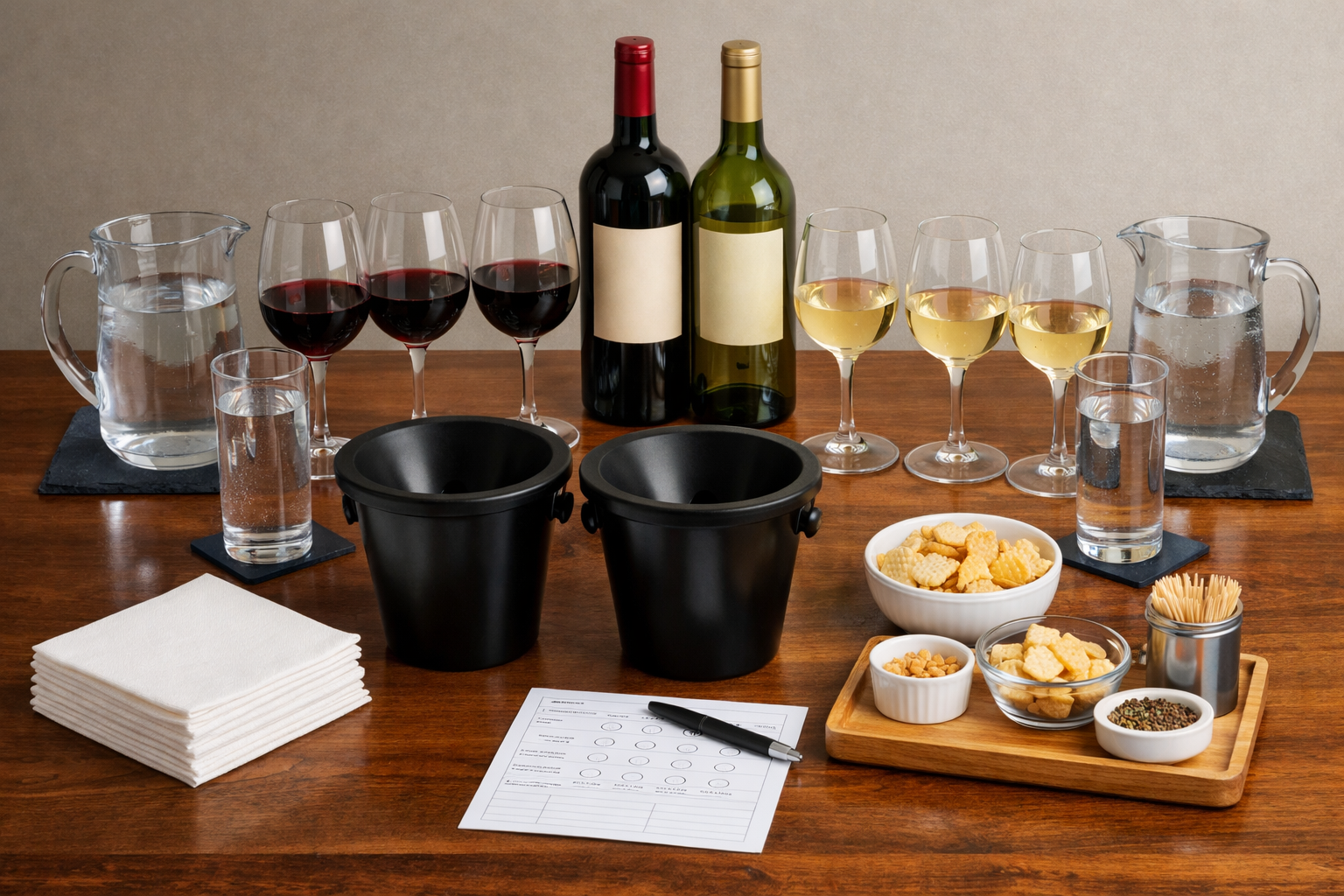
Glassware math:For a proper tasting with multiple wines, each guest ideally gets one glass they rinse between pours—or you provide multiple glasses. The rinse-and-reuse method is perfectly acceptable for casual tastings. Just have water pitchers and dump buckets available.
Your supplies checklist:
Wine glasses (at least one per guest, ideally two)
Water pitchers for rinsing
Dump buckets or large bowls for discarding rinse water
Napkins (cloth or quality paper)
Wine openers (have a backup)
Ice buckets for whites and sparkling wines
Tasting mats or notecards (optional but nice)
Pens if you want guests to take notes
Rental consideration:Many wine shops and party suppliers rent glassware. It's worth the cost for larger groups—you skip the washing nightmare and get proper stemware.
What to write down:
Glassware count needed vs. owned
Rental source and pickup/return dates
Who's responsible for cleanup
Understand Host vs. Provider Responsibilities
This is where planning gets real. Someone needs to be the expert in the room—and that someone doesn't have to be you.
What a good wine provider handles:
Curated wine selection based on your preferences and budget
Education and guided tasting commentary
Proper serving temperatures and order
Storytelling about producers, regions, and styles
Answering questions without making anyone feel dumb
What you handle as host:
Guest list and invitations
Venue logistics (space, parking, accessibility)
Food coordination
Glassware and supplies
Payment and gratuity arrangements
The key question:Do you want a fully guided experience where a professional runs the tasting, or do you want wines delivered with tasting notes so you can lead it yourself? Both work. They're just different events.
What to write down:
Provider name and contact
Scope of their service (delivery only vs. hosted experience)
Your specific responsibilities confirmed in writing
Make Accessibility a Priority
A good host thinks about everyone's ability to participate fully.
Physical accessibility:
Is your space navigable for guests with mobility challenges?
Can people sit comfortably, or is it standing-only?
Are bathrooms accessible?
Dietary and preference accessibility:
Always have non-alcoholic options available
Label wines clearly for guests tracking sugar or sulfites
Respect that some guests may taste but not swallow (it's normal at serious tastings)
Social accessibility:
Brief guests on what to expect so no one feels lost
Create name tags for larger groups
Ensure your expert or host welcomes questions warmly
What to write down:
Accessibility needs of specific guests
Non-alcoholic beverage options
Brief welcome script or instructions for guests
Questions to Ask Any Wine Provider
Before you book anyone—a local wine bar, an independent sommelier, or a shop offering private tastings—get clear answers to these questions:
About the wines:
How do you select wines for private tastings?
Can you customize the selection to our preferences or theme?
What's the typical range of styles or regions included?
Are wines available for purchase after the tasting?
About logistics:5. Do you provide glassware, or do we need our own?6. What's your cancellation and rescheduling policy?7. How far in advance do we need to book?8. Do you handle setup and breakdown?
About the experience:9. Who leads the tasting, and what's their background?10. How do you make it comfortable for beginners?11. Can you accommodate different group sizes?12. What food pairings do you recommend or provide?
About cost:13. What's the per-person cost or flat fee structure?14. Are gratuities included or expected separately?15. What payment methods do you accept?16. Is there a minimum group size or spend?
Write down the answers. Confirming details in writing prevents the "I thought you were bringing the glasses" disaster.
Your Complete Planning Checklist
Print this. Share it with your co-host. Check things off as you go.
Two to four weeks before:
[ ] Confirm date, time, and location
[ ] Finalize guest count
[ ] Contact wine provider and confirm availability
[ ] Discuss theme, preferences, and budget
[ ] Confirm what provider supplies vs. what you supply
[ ] Send invitations with clear details (address, parking, start time)
One week before:
[ ] Confirm final headcount with provider
[ ] Arrange glassware (purchase, borrow, or rent)
[ ] Plan and shop for food
[ ] Confirm dietary restrictions with guests
[ ] Arrange seating and table setup
[ ] Prepare non-alcoholic beverage options
Day before:
[ ] Chill white and sparkling wines
[ ] Confirm arrival time with provider
[ ] Set out glassware, napkins, and supplies
[ ] Prep food that can be made ahead
Day of:
[ ] Final food prep
[ ] Set up tasting area with glasses, water, dump buckets
[ ] Brief yourself on wines (if you're hosting) or confirm provider arrival
[ ] Greet guests and make everyone comfortable
[ ] Enjoy it—you've done the work
Let Someone Else Be the Expert
Here's the truth: the best private wine tastings happen when the host isn't stressed about performing expertise they don't have.
Your job is to bring people together and create the conditions for a good time. The wine knowledge? Let a professional handle that. A curated selection from people who spend their days tasting, comparing, and selecting means your guests get something genuinely interesting—not just whatever had a nice label at the store.
Local wine bars and bottle shops that specialize in curated selections can put together flights you'd never assemble on your own. They know the small producers, the unexpected gems, and the bottles that spark conversation. More importantly, they know how to guide people through a tasting without making anyone feel stupid for not knowing their Grüner from their Gewürz.
That's the whole point. Comfort. Discovery. Good company. No sommelier certification required.
Ready to start planning?
If you're in the Dixon area and want help putting together a private tasting—at home, at your office, or even at a cozy wine bar—come talk to us. Private events are kind of our favorite thing. We'll handle the wine expertise so you can focus on being a great host.
Frequently Asked Questions
How many wines should we include in a private tasting?Four to six wines hits the sweet spot for most groups. Fewer than four feels incomplete, while more than six causes palate fatigue and makes the event run long. For workplace events where time is tight, four wines with brief commentary keeps things focused and engaging without overwhelming anyone.
What's a reasonable per-person budget for a private wine tasting?Budget depends heavily on wine quality and whether you're hiring a host. A self-guided tasting with mid-range bottles might run fifteen to thirty dollars per person for wine alone. Fully hosted experiences with premium selections typically range higher. Always confirm pricing with your provider before committing.
Can beginners enjoy a private wine tasting, or is it too advanced?Beginners often enjoy tastings most because everything is new and exciting. The key is choosing a provider or host who welcomes questions and explains things in plain language. Avoid anyone who makes guests feel dumb for not knowing wine terminology—that's a sign of poor hosting, not expertise.
How do I handle guests who don't drink alcohol?Always have quality non-alcoholic options available, and treat them as equal participants. Sparkling water, interesting mocktails, or non-alcoholic wine alternatives work well. Some guests may taste and spit rather than swallow, which is completely normal at tastings. Make it clear that everyone's welcome regardless of how much they drink.
What's the biggest mistake people make when hosting private tastings?Trying to do everything themselves. Hosting, curating wines, leading the tasting, handling food, and managing logistics is too much for one person. Partner with a wine provider who can handle the expertise portion, delegate food to someone else, and focus your energy on being a welcoming host rather than an overwhelmed one.
About This Guide
This guide was created by The Pip Wine Bar & Shop, a curated wine bar and bottle shop in Downtown Dixon, California. We specialize in hand-selected wines from small producers, craft cocktails, and creating comfortable experiences for wine lovers at every level. Our team regularly helps guests plan private events and group tastings—we know what works because we do it all the time. Whether you're a complete beginner or a seasoned enthusiast, we believe good wine should feel approachable, not intimidating.
Cited Works
[1] Wine Folly — "How to Host a Wine Tasting Party." https://winefolly.com/tips/how-to-host-a-wine-tasting-party/