
Small Producer Wine: What It Means (and How to Shop for It Like a Pro)

You've probably seen the term "small producer" on a wine list or heard it tossed around at your local bottle shop. But what does it actually mean? And more importantly, why should you care when you're standing in front of a wall of bottles trying to pick something good?
Small producer wine isn't just marketing speak. It represents a different approach to winemaking—one that prioritizes craft over volume, character over consistency, and often results in bottles you simply won't find at big-box retailers. Understanding what to look for can transform the way you shop for wine and help you discover bottles worth remembering.
What Makes a Wine "Small Producer"?
There's no official legal definition of small producer wine, which can make the term feel slippery. Generally, it refers to wineries producing limited quantities—often fewer than 10,000 cases annually, though many produce far less [1]. For context, large commercial wineries can produce millions of cases per year.
But volume is only part of the story. Small producers typically share a few key characteristics:
Hands-on winemaking. The person who makes decisions about the wine is often the same person harvesting grapes or monitoring fermentation.
Limited distribution. These wines don't end up in every grocery store. You'll find them at specialized retailers, wine bars with curated lists, and through allocation programs.
Terroir focus. Small producers often emphasize where their grapes come from rather than creating a consistent house style that tastes the same year after year.
Lower intervention. Many (though not all) small producers use minimal additives and allow natural fermentation processes to guide the wine [2].
The result? Wines with personality. Sometimes a little weird. Often memorable.
Why Small Producer Wines Taste Different
When a winery produces millions of bottles, consistency becomes the priority. That's not a criticism—it's a business necessity. Consumers expect their favorite brand to taste the same whether they buy it in California, Texas, or New York.
Small producers don't have that pressure. They can let vintage variation show through. A rainy year might produce a wine that's leaner and more acidic. A hot year might yield something richer and more fruit-forward. Neither is wrong—they're just different expressions of the same vineyard in different conditions.
This is what wine people mean when they talk about terroir: the idea that wine reflects its place of origin. Small production allows that reflection to remain intact rather than being blended or adjusted into uniformity [3].
How to Spot Small Producer Wines When You're Shopping
Here's where it gets practical. You're at a wine shop or scanning a restaurant list. How do you identify the small producer bottles without interrogating the staff about every single wine?
Check the Importer
This is the single most useful shortcut for finding interesting small producer wines, especially from Europe.
Importers are the companies that bring wines into the country, and certain importers have built their entire reputation on working with small, quality-focused producers. When you see names like Kermit Lynch, Louis/Dressner, Jenny & François Selections, Rosenthal Wine Merchant, or Vom Boden on a back label, you're almost certainly looking at a carefully selected small producer wine [4].
Think of trusted importers as built-in quality filters. They've already done the legwork of traveling to wine regions, tasting through countless cellars, and choosing producers who meet their standards.
Look for Regional Specificity
Small producers often highlight specific vineyard sites, villages, or subregions rather than just listing a broad appellation.
Compare these two hypothetical labels:
Generic: "California Chardonnay"
Specific: "Sonoma Coast Chardonnay, Occidental Vineyard"
The second signals a producer who wants you to know exactly where the grapes came from. That level of specificity usually indicates smaller production and a focus on place.
The same applies to European wines. A Burgundy labeled "Bourgogne Rouge" tells you less than one labeled "Gevrey-Chambertin 1er Cru Les Cazetiers." The more specific the origin, the more likely you're dealing with a smaller, site-focused producer.
Notice Allocation Language
Some wines are so limited that shops can only get a small number of bottles—this is called allocation. If you see shelf talkers mentioning "allocated," "limited availability," or "while supplies last," that's often a sign of small production.
Wine clubs and newsletters from quality-focused shops exist partly for this reason. They give loyal customers first access to allocated bottles before they sell out.
Ask About Production Size
When in doubt, ask. Good wine shop staff love this question because it shows you're interested in something beyond the usual suspects. A simple "Do you have anything from smaller producers?" opens the door to recommendations you'd never find on your own.
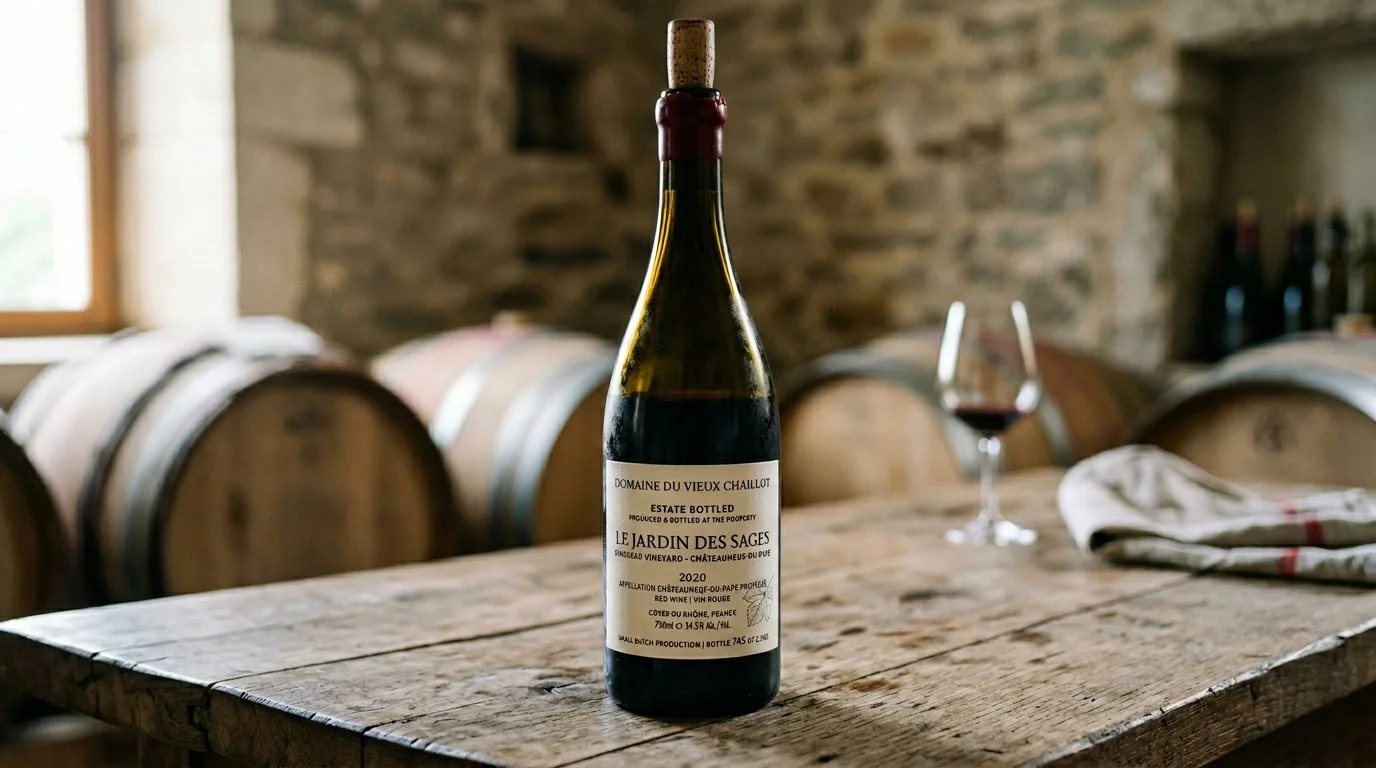
Regions Known for Small Producer Excellence
While small producers exist everywhere wine is made, certain regions have developed particularly strong reputations for artisanal winemaking:
Common Misconceptions About Small Producer Wines
"Small producer always means better"
Not necessarily. Small production doesn't guarantee quality—it just means different priorities. Some small producers make mediocre wine. Some large producers make excellent wine. Size is one factor among many.
"Small producer wines are always expensive"
While some allocated cult wines command high prices, plenty of small producer bottles sit in the $15–30 range. Small estates in less famous regions (think Southern France, Portugal, or lesser-known Italian appellations) often offer exceptional value because they lack the name recognition that drives prices up.
"You need to be a wine expert to appreciate them"
This is the biggest myth worth busting. Small producer wines aren't homework. They're just wine made by people who care a lot about what they're doing. You don't need to identify seventeen flavor notes to enjoy a glass—you just need to be open to trying something different.
Building Your Small Producer Palate
If you're new to exploring beyond mainstream wines, here's a simple approach:
Start with a trusted source. Find a wine shop or wine bar with a curated selection. Tell them what you usually drink and ask for something similar but from a smaller producer. This builds a bridge from familiar to new.
Pay attention to importers. Once you find a bottle you love, check the back label for the importer. Seek out other wines from that same importer—chances are good you'll enjoy them too.
Try the same grape from different producers. Love Sauvignon Blanc? Try three different small producer versions from three different regions. You'll quickly understand how much winemaking style and terroir matter.
Keep notes. Nothing fancy—just snap a photo of labels you enjoy. Patterns will emerge. Maybe you consistently like wines from the same importer, region, or grape variety.
Shop Smart: What to Look for on the Label
When you're standing in a shop, these label elements can guide your choices:
Producer name prominently displayed (rather than just a brand name)
Specific vineyard or village designation
Importer information on the back label
Vintage date (small producers want you to know the year)
Estate bottled or equivalent language indicating the producer grew the grapes and made the wine
Alcohol percentage in a moderate range (very high alcohol can indicate overripe grapes, though this varies by style)
Why Shopping at Curated Shops Matters
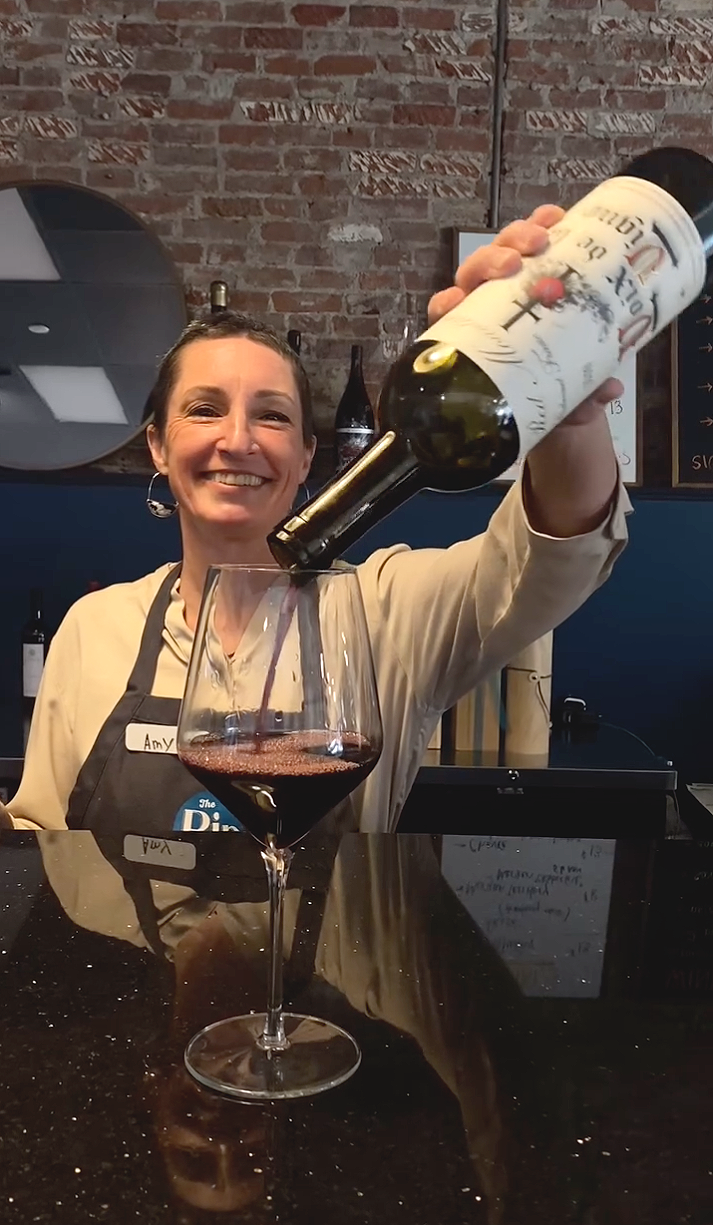
Big-box retailers and grocery stores have their place, but they're optimized for volume and broad appeal. Their wine buyers are looking for bottles that will sell thousands of cases, which almost by definition excludes the most interesting small producers.
Specialty wine shops and wine bars with thoughtful bottle programs do the curation for you. Their buyers travel to wine regions, build relationships with importers, and taste constantly to find bottles worth carrying. When you shop at these places, you're essentially borrowing their expertise.
Plus, you can actually have a conversation. Tell them what you're cooking for dinner. Describe a wine you loved recently. Mention your budget. They'll point you toward something good. That's the whole point.
Ready to Explore?
Small producer wines reward curiosity. Once you start paying attention to importers, regional specificity, and the stories behind bottles, grocery store wine aisles start to feel pretty boring. And that's a good thing—it means you've leveled up.
Come explore our curated selection of small producer wines at The Pip Wine Bar & Shop. We stock bottles you won't find at big-box stores, and we love helping people discover something new. Not sure where to start? Just tell us what you usually drink—we'll guide you from there.
Sign up for our newsletter to hear about new arrivals, allocated bottles, and first access to limited releases.
Frequently Asked Questions
What's the difference between small producer and boutique wine?
These terms overlap significantly and are often used interchangeably. Both refer to wines made in limited quantities with a focus on quality over volume. "Boutique" sometimes carries slightly more marketing polish, while "small producer" tends to emphasize the hands-on, artisanal nature of the winemaking. Neither term has a strict legal definition, so look at actual production numbers and distribution when assessing a wine's scale.
Are small producer wines always more expensive?
Not at all. While some highly allocated small producer wines command premium prices due to scarcity and demand, many excellent small producer bottles fall in the $15–30 range. Wines from lesser-known regions—like Portugal, Southern France, or emerging areas of Spain—often offer outstanding quality at accessible prices because they lack the prestige markup of famous appellations.
How can I tell if a wine is from a small producer just by looking at the bottle?
Check the back label for importer information—names like Kermit Lynch, Louis/Dressner, or Jenny & François Selections specialize in small producers. Look for specific vineyard or village designations rather than broad regional labels. Terms like "estate bottled" or "domaine" indicate the same entity grew the grapes and made the wine, which is common among smaller operations.
Why do some small producer wines taste different from year to year?
Small producers often allow vintage variation to show in their wines rather than blending or adjusting to create a consistent house style. Weather conditions—rain, heat, frost—affect grape development differently each year. This means a 2022 vintage might taste noticeably different from a 2023, reflecting the unique conditions of that growing season. Many wine enthusiasts consider this variation a feature, not a flaw.
Do I need to know a lot about wine to enjoy small producer bottles?
Absolutely not. Small producer wines aren't a test—they're simply wines made by people who care deeply about their craft. You don't need to identify specific flavor notes or know winemaking terminology. Just approach with curiosity, pay attention to what you enjoy, and don't hesitate to ask questions at shops or wine bars with curated selections.
About Our Wine Expertise
The Pip Wine Bar & Shop is a curated wine destination in Downtown Dixon, California, specializing in small producer wines, craft cocktails, and thoughtfully selected bottles you won't find at big-box stores. Our team tastes constantly, works with trusted importers, and builds our selection around quality and character rather than volume. We believe great wine should feel approachable, and we're always happy to help customers explore new bottles—whether you're a seasoned collector or just starting to move beyond grocery store wines.
Works Cited
[1] Wine Institute — "California Wine Profile." https://wineinstitute.org/our-industry/statistics/
[2] Guild of Sommeliers — "Understanding Wine Production Scale." https://www.guildsomm.com/
[3] Wine Folly — "What is Terroir?" https://winefolly.com/deep-dive/what-is-terroir/
[4] SevenFifty Daily — "How Importers Shape American Wine Culture." https://daily.sevenfifty.com/
[5] Burgundy Wine Board (BIVB) — "Understanding Burgundy's Classification System." https://www.bourgogne-wines.com/