
Wine-Based Cocktails for Wine Drinkers: What to Order If You Want Something Lighter Than a Classic Cocktail
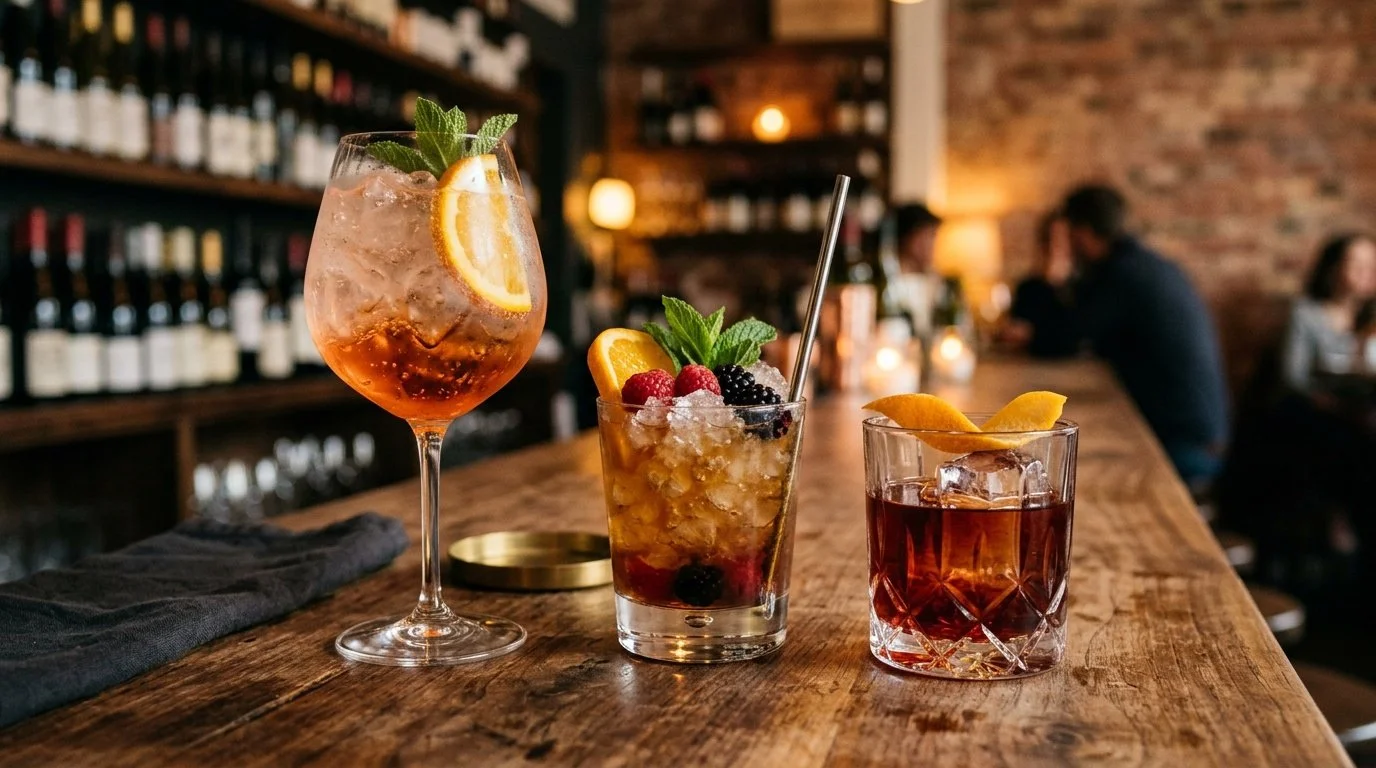
You love wine. You know what you like—maybe crisp whites, maybe bold reds, maybe something sparkling when the mood strikes. But tonight, you're at the bar and you want something different. Not a heavy pour of whiskey. Not a sugary frozen drink. Just... something lighter. Something that still feels like you.
Here's the thing: wine-based cocktails exist precisely for moments like this. They bridge the gap between your wine preferences and the cocktail menu, offering complexity without the boozy punch of a classic Old Fashioned or Negroni.
The problem? Most cocktail guides assume you already know the language. They throw around terms like "aperitivo" and "fortified wine" without explaining what any of it actually tastes like.
Let's fix that. Consider this your translation layer—from what you already love in wine to what you'll probably love at the cocktail bar.
Why Wine Lovers Often Struggle at Cocktail Bars
Standard cocktails pack a punch. A typical Martini or Manhattan delivers around 25–30% ABV, compared to wine's 12–15% [1]. That's not a subtle difference. For wine drinkers accustomed to sipping something gentler over an hour, jumping into spirit-forward cocktails can feel like switching from a jog to a sprint.
There's also the flavor disconnect. Wine offers nuance—fruit, earth, minerality, acid. Many classic cocktails prioritize spirit intensity and sweetness. If you've trained your palate on good wine, a syrupy cocktail might just taste... loud.
Wine-based cocktails solve both problems. They use wine, fortified wines, or wine-adjacent ingredients as the backbone, keeping alcohol levels moderate and flavors familiar. You get the ritual of a cocktail without abandoning what your palate already knows.
The Translation Layer: From Wine Preferences to Cocktail Orders
Think of this as a cheat sheet. Match your usual wine order on the left to your new cocktail adventure on the right.
If You Drink Crisp White Wines
Your wine: Sauvignon Blanc, Pinot Grigio, Albariño, unoaked Chardonnay
What you're really saying: "I like bright acidity, clean flavors, and refreshing finishes."
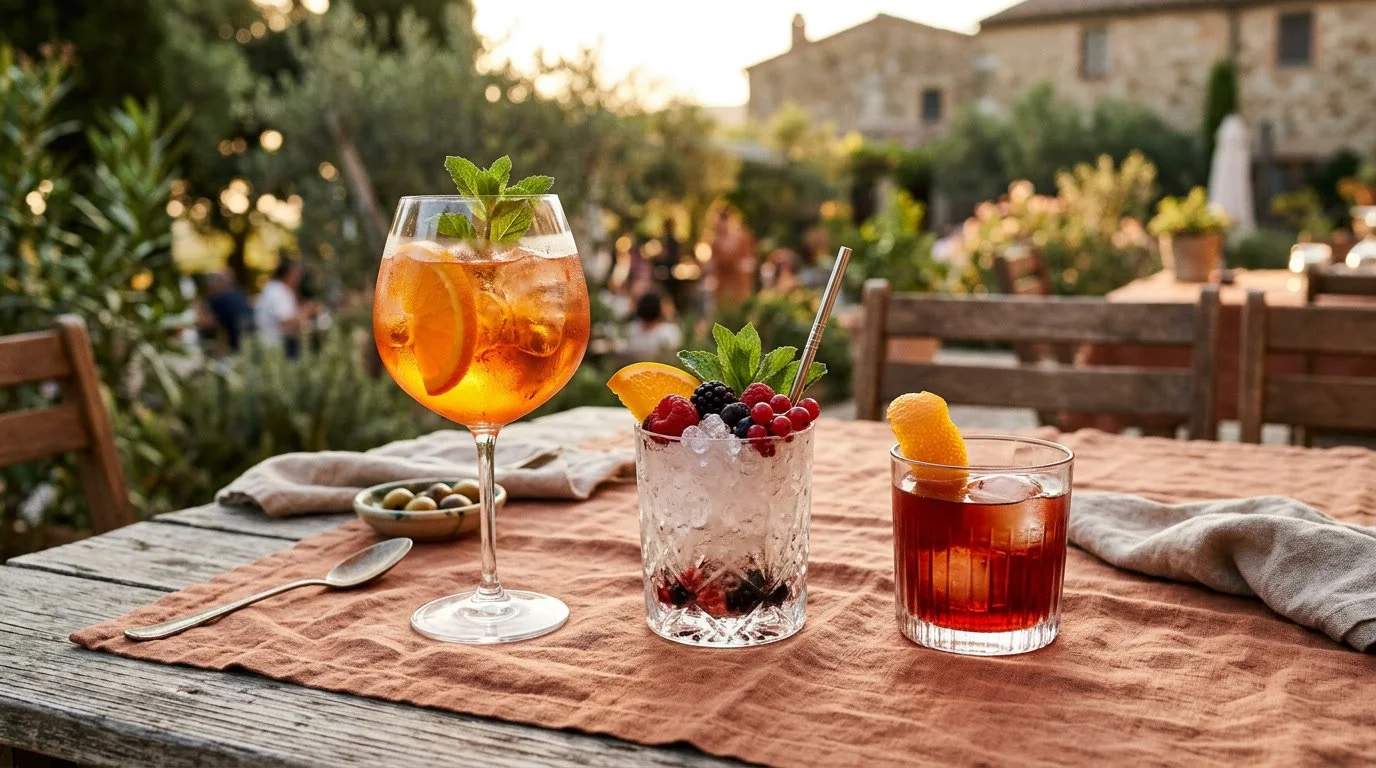
Your cocktail match: The Spritz family. Specifically, a Hugo Spritz (elderflower, prosecco, soda, mint) or a Limoncello Spritz (limoncello, prosecco, soda). Both lean citrusy and effervescent—like a sparkling wine with a twist [2].
Why it works: Prosecco provides the same bright, bubbly backbone you love in crisp whites. The added elements (elderflower, citrus) enhance without overwhelming.
If You Drink Sparkling Wine
Your wine: Champagne, Cava, Prosecco, Crémant
What you're really saying: "I want bubbles, celebration vibes, and something lively."
Your cocktail match: French 75 (gin, lemon, simple syrup, topped with Champagne) or Kir Royale (crème de cassis with Champagne). The French 75 adds gentle citrus and botanical notes; the Kir Royale brings a touch of dark berry sweetness [3].
Why it works: The sparkling wine stays the star. You're just adding a supporting character.
If You Drink Rosé
Your wine: Provence rosé, dry Spanish rosado, anything pink and crushable
What you're really saying: "I want something easy, slightly fruity, not too serious."
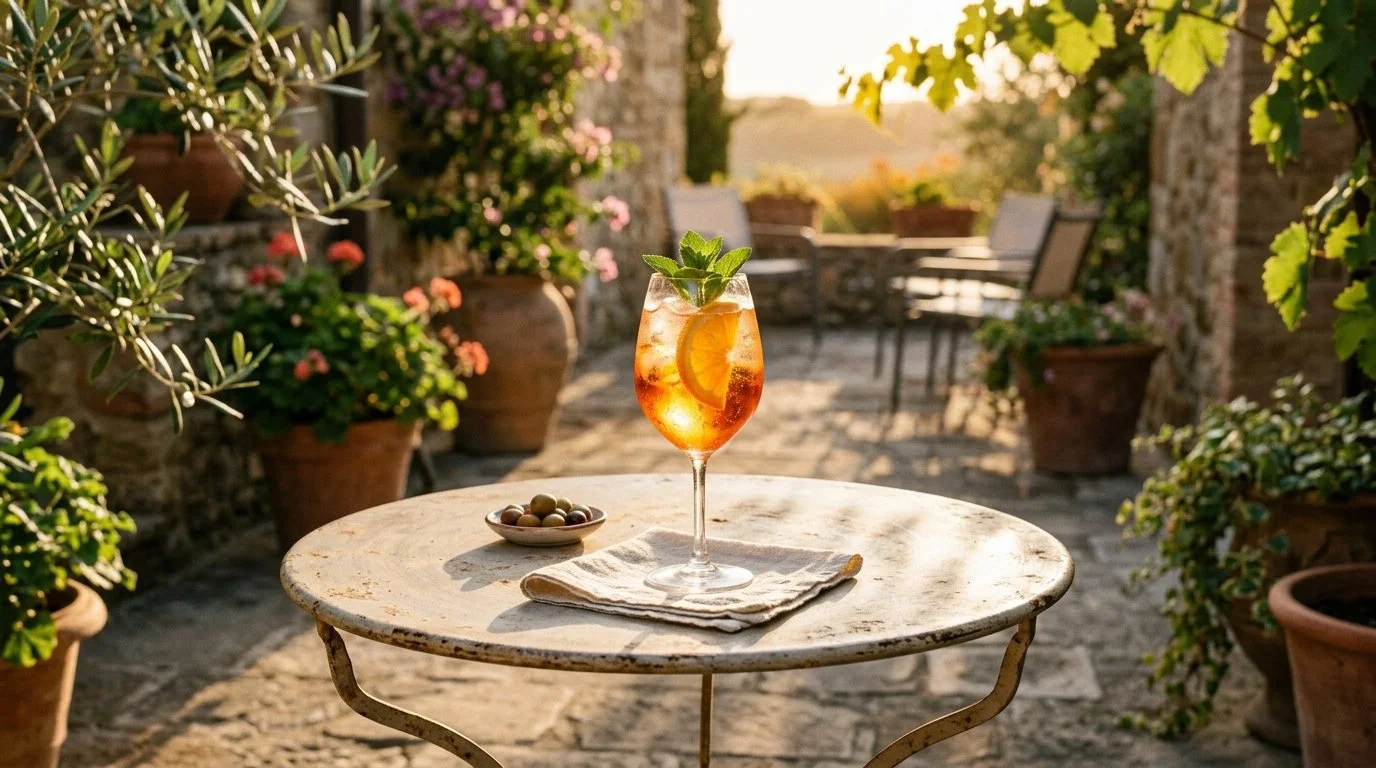
Your cocktail match: Aperol Spritz (Aperol, prosecco, soda) or a Rosé Spritz (rosé wine, Aperol or elderflower liqueur, soda). Both deliver that warm-weather, patio-ready energy [4].
Why it works: The bitter-sweet profile of Aperol mirrors the fruit-meets-dry balance you love in good rosé. It's easygoing without being saccharine.
If You Drink Medium-Bodied Reds
Your wine: Pinot Noir, Grenache, lighter Merlot, Barbera
What you're really saying: "I like some depth, but not too heavy. Red fruit, earthy notes, smooth finish."
Your cocktail match: Sherry Cobbler (sherry, sugar, fresh fruit, served over crushed ice) or an Adonis (sherry, sweet vermouth, orange bitters). The sherry provides that oxidative, nutty complexity that echoes aged wine flavors [5].
Why it works: Sherry-based cocktails offer wine-like depth at lower alcohol levels. The Adonis in particular reads like a more complex wine experience in cocktail form.
If You Drink Bold Reds
Your wine: Cabernet Sauvignon, Malbec, Syrah, Zinfandel
What you're really saying: "Give me something robust. Dark fruit, structure, presence."
Your cocktail match: Vermouth-forward cocktails like a Reverse Manhattan (more vermouth than whiskey) or an Americano (Campari, sweet vermouth, soda). You can also explore Kalimotxo (red wine and cola)—a Spanish classic that's surprisingly satisfying [6].
Why it works: Sweet vermouth shares DNA with bold reds: dark fruit, baking spices, herbal undertones. You're staying in familiar flavor territory while adding new dimensions.
Three Essential Wine-Based Cocktail Categories
Understanding these three building blocks will help you navigate any cocktail menu with confidence.
The Spritz: Effervescence Meets Ease
A spritz follows a simple formula: sparkling wine + a bitter or flavored liqueur + soda + ice [2]. The result is lower in alcohol than most cocktails, refreshing, and endlessly customizable.
Classic versions:
Aperol Spritz (the gateway)
Campari Spritz (more bitter)
Hugo Spritz (floral and light)
Select Spritz (Venetian tradition)
What to know: The "bitter" component matters. Aperol is gentler and sweeter. Campari is bolder and more herbaceous. If you dislike bitterness, start with Hugo or ask for something elderflower-based.
Sherry Cocktails: The Secret Weapon
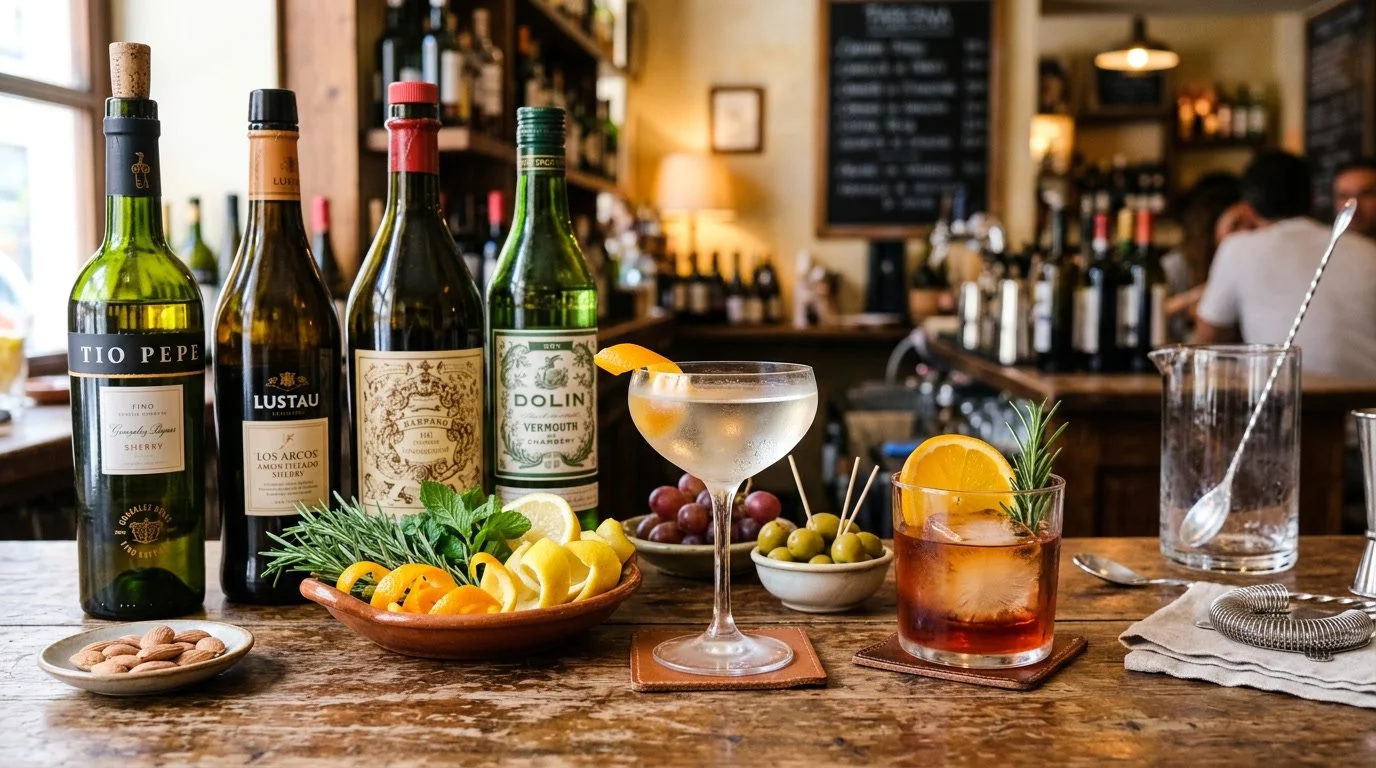
Sherry gets overlooked, which is a shame. This fortified wine from Spain ranges from bone-dry (Fino, Manzanilla) to rich and nutty (Amontillado, Oloroso) to sweet (Pedro Ximénez) [5]. It's incredibly versatile in cocktails.
Key drinks:
Sherry Cobbler (refreshing, fruit-forward)
Adonis (sherry + sweet vermouth—no added spirits)
Rebujito (Fino sherry + lemon soda—Spanish summer in a glass)
Bamboo (dry sherry + dry vermouth + bitters)
What to know: Fino and Manzanilla sherries taste crisp and saline—almost like white wine with more character. Amontillado offers nutty depth. If you like complexity in your whites, sherry cocktails are your new playground.
Vermouth Cocktails: More Wine Than You Think
Vermouth is fortified wine infused with botanicals. It's been the quiet workhorse of classic cocktails for over a century, but it shines brightest when it steps into the spotlight [7].
Key drinks:
Americano (sweet vermouth, Campari, soda)
Reverse Martini (more vermouth than gin)
Vermouth and Tonic (exactly what it sounds like)
What to know: Sweet (rosso) vermouth has red fruit and spice notes. Dry vermouth is more herbal and crisp. Blanc/bianco vermouth lands somewhere in between—slightly sweet, floral. All of them work beautifully on their own over ice with an orange slice.
How to Order Wine-Based Cocktails Like a Regular
Start with what you know
Walk up and say: "I usually drink [your wine]. What's something lighter on your cocktail menu that might work for me?" Any decent bartender will translate from there.
Ask about vermouth and sherry options
Many bars keep quality vermouths and sherries but don't feature them heavily. Simply asking opens doors to drinks that won't appear on a standard menu.
Use the right vocabulary
A few phrases go a long way:
"I want something wine-based" = you want wine or fortified wine as the primary ingredient
"I want something lower ABV" = you want drinks under 15% alcohol
"I want something aperitif-style" = you want something light, meant to stimulate appetite rather than knock you back
Don't fear simplicity
Some of the best wine-based drinks are barely cocktails at all: vermouth on ice with a twist, sherry with soda, prosecco with a splash of Aperol. Simple doesn't mean boring—it means the ingredients are good enough to carry themselves.
Wine-Based Cocktails to Order by Mood
The Bottom Line: You Already Know More Than You Think
If you can describe what you like in wine—bright vs. rich, dry vs. fruity, light vs. full—you can navigate wine-based cocktails. The vocabulary transfers. The palate translates.
Wine-based cocktails for wine drinkers aren't a departure from what you love. They're an extension of it. A new room in a house you already know well.
Next time you're out, try something from the spritz, sherry, or vermouth family. Ask your bartender to match your usual wine preference. Or just point at this guide and say, "something like that."
Ready to put this into practice? Come hang out with us at The Pip. Tell us what you usually drink, and we'll guide you toward something that feels right—whether that's a glass of wine, a perfectly built spritz, or something in between.
Frequently Asked Questions
What makes a cocktail "wine-based"?
Wine-based cocktails use wine, sparkling wine, or fortified wines (like sherry or vermouth) as a primary ingredient rather than relying on distilled spirits like vodka or whiskey. This keeps the drink lighter in alcohol and often more approachable for wine lovers who want complexity without intensity.
Are wine-based cocktails lower in alcohol than regular cocktails?
Generally, yes. Most wine-based cocktails fall between 8–15% ABV, compared to classic cocktails that often reach 25–30% ABV [1]. Spritzes, sherry cocktails, and vermouth drinks are particularly gentle on the alcohol scale while still delivering interesting flavors.
What's the difference between vermouth and sherry in cocktails?
Both are fortified wines, but they taste quite different. Sherry comes from Spain and ranges from dry and crisp to nutty and sweet, depending on the style [5]. Vermouth is wine infused with botanicals and comes in sweet, dry, and blanc varieties [7]. Both make excellent cocktail bases for wine lovers.
Can I order these at any bar?
Most bars stock Aperol, prosecco, and basic vermouth—so spritzes and Americanos are widely available. Sherry cocktails may require a bar with a broader selection. When in doubt, ask: "Do you have any lower-ABV or wine-based options?"
What's the best wine-based cocktail to start with?
The Aperol Spritz is the most accessible entry point—it's familiar, widely available, and forgiving on the palate. If you want something more sophisticated, try an Americano or a simple vermouth over ice with an orange twist.
About Our Expertise
The Pip Wine Bar & Shop brings years of hands-on experience helping guests navigate wine and cocktails in a comfortable, judgment-free setting. Our team works daily with customers who know what they like in wine but want to explore something new. We've built our cocktail program around the same philosophy that guides our wine selection: curated quality, approachable guidance, and drinks worth savoring. Every recommendation here reflects real conversations we have at the bar every week.
Cited Works
[1] National Institute on Alcohol Abuse and Alcoholism — "What Is a Standard Drink?" https://www.niaaa.nih.gov/alcohols-effects-health/overview-alcohol-consumption/what-standard-drink
[2] Imbibe Magazine — "The Spritz: A History of the Italian Cocktail." https://imbibemagazine.com/spritz-cocktail-history/
[3] Difford's Guide — "French 75 Cocktail." https://www.diffordsguide.com/cocktails/recipe/745/french-75
[4] Bon Appétit — "How to Make the Perfect Aperol Spritz." https://www.bonappetit.com/recipe/aperol-spritz
[5] Sherry Wines — "Types of Sherry." https://www.sherry.wine/sherry-wines/types
[6] VinePair — "What Is Kalimotxo?" https://vinepair.com/articles/kalimotxo-red-wine-coke/
[7] Wine Enthusiast — "Vermouth 101: Everything You Need to Know." https://www.winemag.com/2019/06/21/vermouth-guide/