
Chillable Red Wines for Warm Weather: What to Choose and How Cold to Serve
The afternoon heat is climbing, and you want wine. But reaching for another glass of rosé feels predictable, and that bold Cabernet sounds about as refreshing as a wool sweater in July.
Here's the thing: chillable red wines exist. And they're not some compromise—they're a genuine warm-weather pleasure that serious wine drinkers have enjoyed for generations.
Light-bodied reds served cold offer the best of both worlds: the fruit-forward character and food-friendly acidity you love in red wine, minus the heavy, warming sensation that makes full-bodied reds feel wrong when temperatures spike. At The Pip Wine Bar & Shop in Downtown Dixon, we pour chilled reds regularly during warmer months because they just work when the weather doesn't cooperate with your usual preferences.
This guide covers everything you need to know: which reds chill beautifully, which don't, exactly how cold to serve them, and what foods pair best when you're drinking red wine straight from the fridge.
Why Some Red Wines Actually Taste Better Cold
Temperature changes how wine hits your palate. Colder serving temperatures emphasize acidity and freshness while muting alcohol perception and softening tannins [1]. For light-bodied reds with naturally low tannins and bright fruit, a light chill enhances everything you already like about them.
The opposite is also true. Heavy, tannic wines taste harsh and astringent when chilled because cold amplifies that mouth-drying sensation [2]. This is why you'd never throw a young Barolo in the fridge—you'd strip out the warmth and complexity that make it worth drinking.
The key distinction: structure, not color, determines chill-ability.
Light-bodied reds with soft tannins, fresh acidity, and fruit-forward profiles are built for chilling. Full-bodied reds with grippy tannins, high alcohol, and oak influence are not.
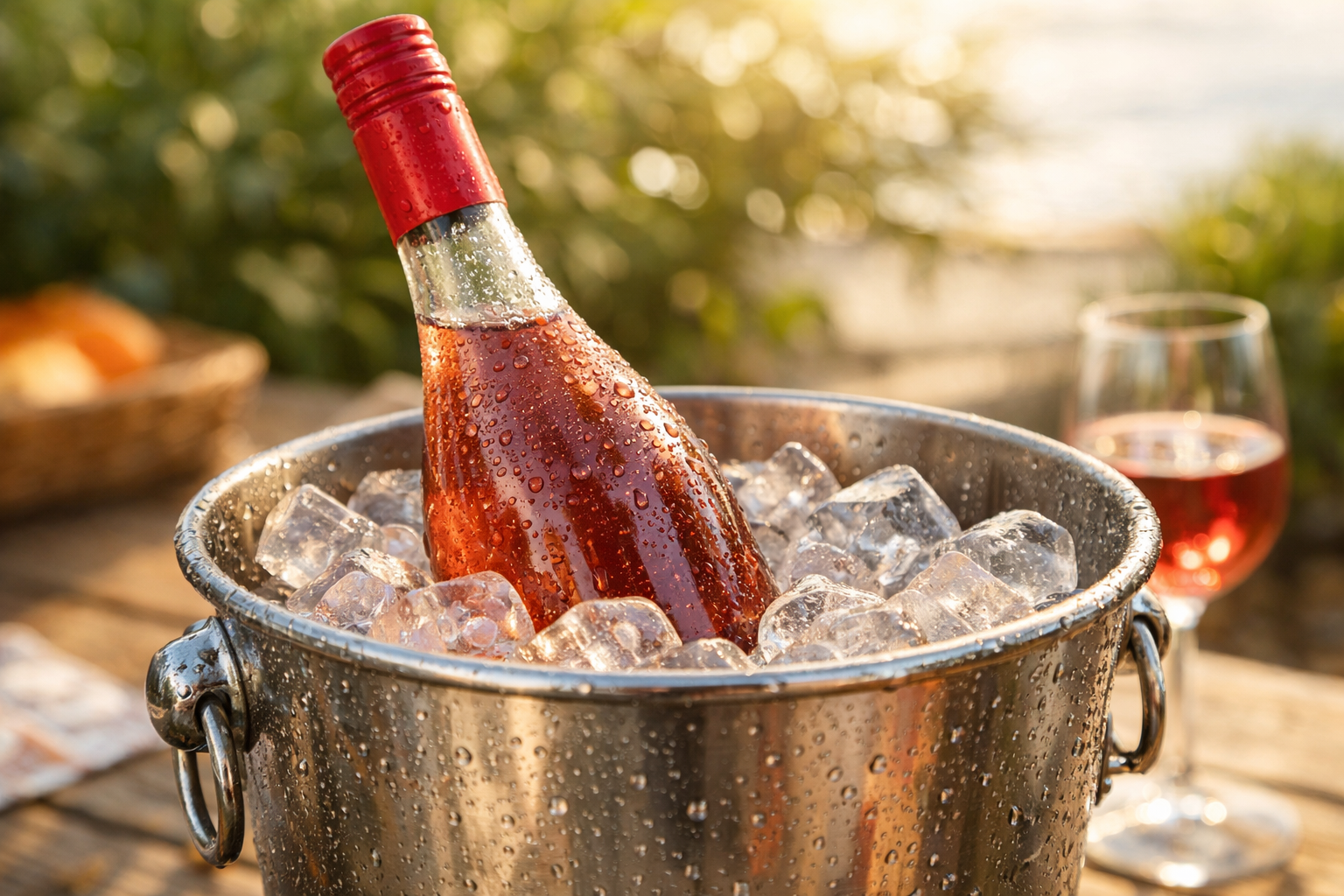
The Chillable Red Wine Checklist: What to Look For on the Label
Not every bottle announces "chill me" on the label. But certain cues reliably point toward wines that handle cold temperatures well.
Grape Varieties That Chill Beautifully
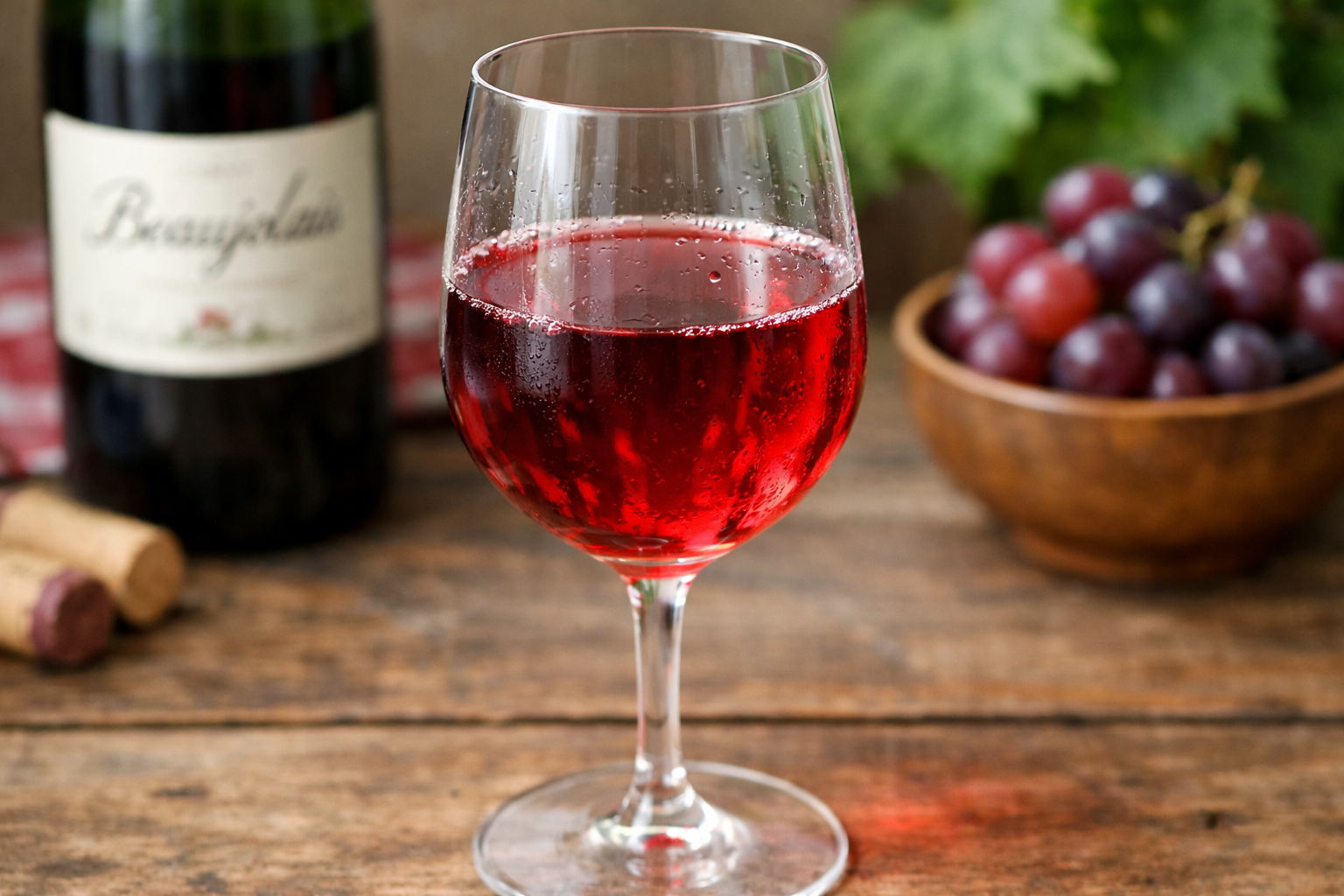
Gamay (Beaujolais) — The poster child for chilled reds. Bright cherry fruit, almost no tannin, refreshing acidity.
Pinot Noir (lighter styles) — Elegant, silky, and food-friendly when slightly chilled.
Grenache/Garnacha (lighter expressions) — Juicy red fruit with soft tannins.
Zweigelt — Austrian red with cherry-cola notes and a playful acidity.
Lambrusco — Sparkling Italian red; practically demands ice-cold service.
Frappato — Sicilian gem with strawberry notes and a light, crushable body.
Dolcetto — Piedmontese red with soft tannins and grape-candy fruit.
Schiava — Alpine Italian red, pale and delicate, almost rosé-adjacent.
Label Cues That Signal Chill-Friendliness
"Carbonic maceration" or "whole cluster fermentation" — These winemaking techniques produce softer tannins and brighter fruit [3].
"Unoaked" or "stainless steel fermented" — No oak influence means fresher, more fruit-forward character.
"Vin de soif" or "glou-glou" — French slang for "thirst-quenching" wines meant for easy drinking.
Low alcohol (under 13%) — Often correlates with lighter body and higher acidity.
Regions known for lighter styles — Beaujolais, Loire Valley, Alto Adige, parts of Oregon.
Red Flags: Signs a Wine Is Too Tannic for Deep Chilling
Avoid chilling wines that check these boxes:
High alcohol (14.5%+) — Typically indicates riper fruit and fuller body.
"Aged in oak" or "barrel-aged" — Oak adds tannin structure and warming spice notes.
"Reserve" or "Gran Reserva" — Usually means longer aging and more tannic structure.
Grapes known for tannins — Cabernet Sauvignon, Nebbiolo, Tannat, Mourvèdre.
Dark, inky color — Generally indicates extended skin contact and higher tannin extraction.
The Temperature Workflow: How Cold Is Cold Enough?
Here's where most people go wrong: they either barely chill their reds (defeating the purpose) or treat them like white wine (numbing the flavor). The sweet spot for chillable reds sits between 55–60°F (12–15°C)—what wine professionals call "cellar temperature" or a light chill [4].
The Quick-Chill Method
Starting from room temperature (around 70°F):
Refrigerator: 45–60 minutes in the main compartment
Freezer: 15–20 minutes (set a timer—don't forget it)
Ice bucket with water: 10–15 minutes (water conducts cold better than ice alone)
Ice bucket with water and salt: 5–10 minutes (salt lowers the freezing point for faster chilling)
The "Touch Test" for Ideal Temperature
No thermometer? No problem.
Too warm: The bottle feels room temperature, no condensation forming.
Just right: The bottle feels noticeably cool to the touch, light condensation on glass.
Too cold: Heavy condensation, the bottle feels like it came from the refrigerator door.
When in doubt, err slightly warmer. The wine will warm up in your glass anyway, especially outdoors.
Managing Chill Throughout the Meal
Chilled reds warm up faster than whites because they start closer to ambient temperature. For extended outdoor drinking:
Keep the bottle in a bucket with ice water between pours
Pour smaller amounts more frequently
Accept that the last glass might be warmer—that's fine
The Chillable Reds Matrix: Matching Wine to Food and Occasion
Different chillable reds excel in different contexts. Here's a practical matrix for picking the right bottle:
For Poolside Sipping (No Food, Maximum Refreshment)
Best choices: Lambrusco, Gamay (especially Beaujolais-Villages), Frappato
These wines have enough acidity to refresh without food and enough fruit to stay interesting glass after glass. Lambrusco's bubbles add extra lift.
For Charcuterie and Cheese Boards
Best choices: Dolcetto, lighter Grenache, Zweigelt
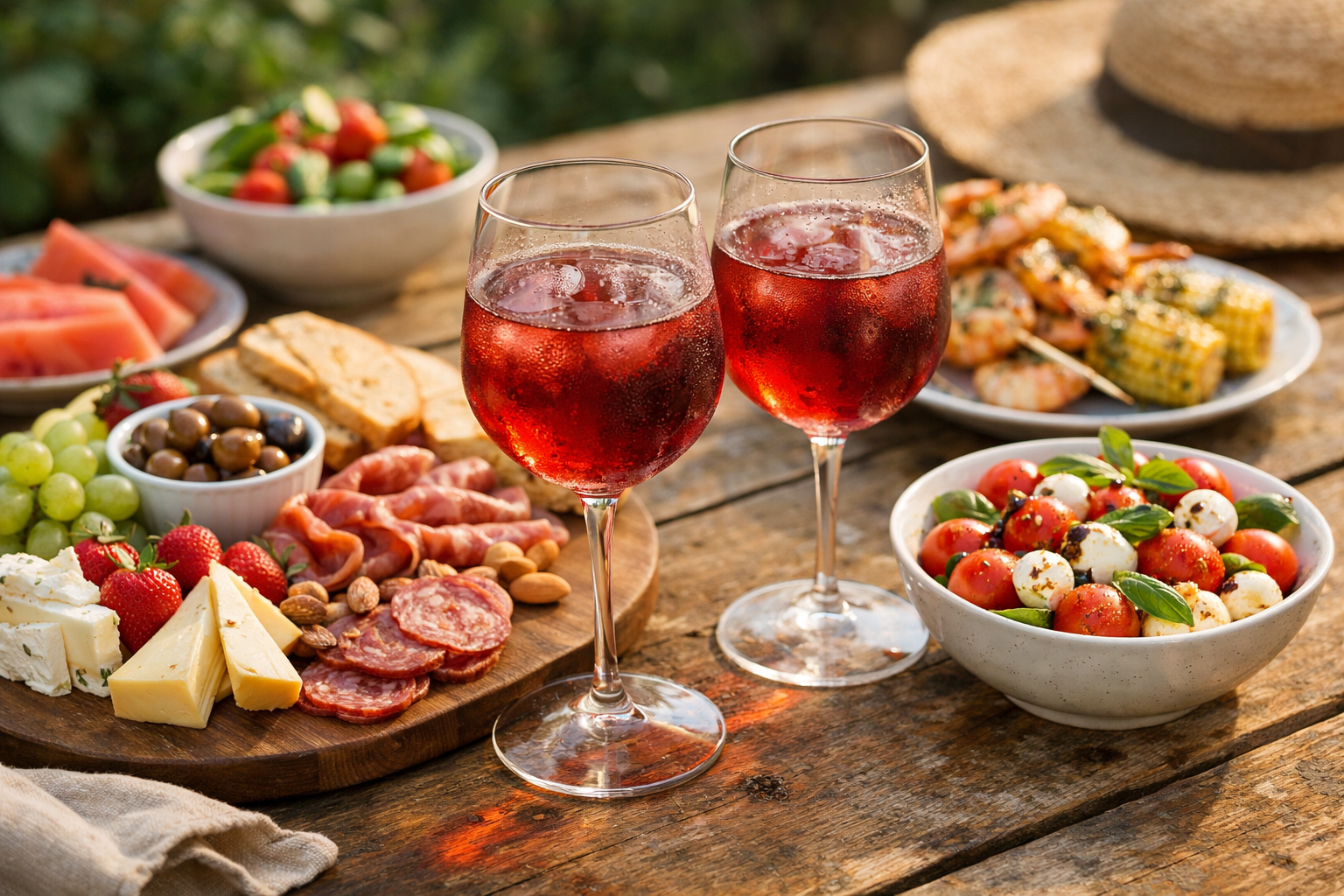
The gentle tannins in these wines complement cured meats without competing, while their acidity cuts through rich cheeses.
For Grilled Vegetables and Lighter Summer Proteins
Best choices: Pinot Noir (lighter styles), Gamay Cru (Morgon, Fleurie), Schiava
These wines have enough structure to stand up to char and smoke while staying refreshing. Excellent with grilled zucchini, eggplant, or salmon.
For Spicy Food and Bold Flavors
Best choices: Frappato, off-dry Lambrusco, fruit-forward Grenache
A light chill helps tame the heat perception, and the fruit in these wines complements rather than clashes with bold seasoning.
For "I Don't Know What We're Eating Yet" Versatility
Best choices: Beaujolais-Villages, Zweigelt, lighter Côtes du Rhône
These crowd-pleasers work across multiple contexts and satisfy both red and white wine drinkers at mixed-preference gatherings.
Common Mistakes to Avoid
Chilling too long. If your red tastes flat and muted, it's probably too cold. Let it warm up for 10 minutes.
Choosing the wrong bottle. That "interesting" Barolo on sale isn't going to transform into a summer sipper. Save tannic wines for cooler weather.
Serving in the wrong glass. Chilled reds still benefit from a proper wine glass—you want some room for the aromatics to open up as the wine warms slightly.
Overthinking it. The goal is refreshment and pleasure, not perfection. A slightly-too-cold Gamay is still better than a room-temperature Gamay on a hot day.
Finding Chillable Reds Worth Drinking
The challenge with chillable reds isn't convincing yourself to try them—it's finding interesting bottles in a category that's often overlooked by big retailers.
Small producers tend to excel here. Winemakers focused on site expression and minimal intervention often make lighter-bodied wines that chill beautifully, because they're not chasing extraction and oak [5]. These bottles rarely show up at grocery stores, which is why a curated shop matters.
At The Pip, we keep chillable reds on rotation specifically for warm-weather drinking. Our approach: hand-select bottles from small producers who understand these lighter styles, so you get something interesting in your glass instead of generic "patio wine."
Stop by Downtown Dixon, tell us what you're planning to eat (or not eat), and we'll point you toward something worth chilling.
Come Hang Out and Sip Something Cold
Ready to try a chilled red that actually tastes good? Check out our current rotating selection at The Pip Wine Bar & Shop—we pour these by the glass so you can taste before you take a bottle home.
And if you're meeting friends halfway in Dixon (we're perfectly positioned between the Bay, Sacramento, Napa, and the Tahoe route), a chilled glass of Gamay is a pretty excellent way to start.
Check the menu, see what's pouring, and come hang out with us.
Frequently Asked Questions
Can you really put red wine in the refrigerator?
Absolutely. Light-bodied reds with low tannins chill beautifully—we're talking Gamay, lighter Pinot Noir, Frappato, and Lambrusco. The key is choosing wines with soft tannins and fresh acidity, which actually taste better cold. Heavy, tannic wines don't work here, but the right reds become genuinely refreshing summer drinks.
How long should you chill red wine before serving?
For most chillable reds, 45–60 minutes in the refrigerator brings them to ideal temperature (55–60°F). Need it faster? Try 15–20 minutes in the freezer or 10–15 minutes in an ice bucket with water. The goal is a light chill, not ice-cold—you want to preserve flavor while adding refreshment.
What's the best chillable red wine for beginners?
Beaujolais (made from Gamay grapes) is the gateway. It's widely available, affordable, and tastes fantastic chilled—bright cherry fruit, almost no tannins, and enough acidity to stay lively. Look for Beaujolais-Villages for a step up in complexity that still handles cold temperatures beautifully.
Does chilling red wine ruin it?
Only if you chill the wrong wine. Tannic, full-bodied reds (Cabernet, Barolo, Malbec) taste harsh and astringent when cold because low temperatures amplify that mouth-drying sensation. Stick to light-bodied, low-tannin reds, and chilling enhances rather than diminishes the drinking experience.
What foods pair best with chilled red wine?
Chilled reds shine with charcuterie boards, grilled vegetables, lighter proteins like salmon or chicken, and anything with Mediterranean seasoning. The refreshing temperature makes them versatile—they work as aperitifs without food or as partners for casual warm-weather meals.
About Our Recommendations
The Pip Wine Bar & Shop has served Downtown Dixon since establishing itself as the neighborhood's go-to spot for curated wine, craft cocktails, and genuine hospitality. Our selection focuses on small producers and unique bottles you won't find in big-box stores—because interesting wine comes from people who care about what they're making. Every recommendation we make comes from hands-on experience tasting, pouring, and pairing these wines with real guests in real situations.
Cited Works
[1] Wine Folly — "Wine Serving Temperature Guide." https://winefolly.com/tips/wine-serving-temperature/
[2] GuildSomm — "The Effect of Temperature on Wine Perception." https://www.guildsomm.com/
[3] Wine Enthusiast — "What Is Carbonic Maceration?" https://www.winemag.com/2019/10/15/what-is-carbonic-maceration/
[4] Decanter — "What Temperature Should Wine Be Served?" https://www.decanter.com/learn/what-temperature-should-wine-be-served-ask-decanter-377498/
[5] SevenFifty Daily — "The Rise of Lighter Red Wines." https://daily.sevenfifty.com/