
How to Choose Wine for a Crowd When Tastes Are Mixed
Twelve people are coming over Saturday night. Sarah only drinks white. Mike swears by "big reds." Your cousin just announced she's into natural wine now. And at least three guests will say "I'll drink whatever" while clearly having opinions.
Choosing wine for a group with mixed preferences can feel like an impossible puzzle—but it's actually more forgiving than picking for one picky person. The key is having a strategy that covers your bases without requiring a liquor store's worth of bottles.
Here's how to stock your table so everyone finds something they love, you stay within budget, and nobody ends up quietly setting down their glass after one sip.
Why Mixed Preferences Actually Work in Your Favor
When you're hosting a group with varied tastes, you might assume you need to nail every individual's exact preference. You don't.
Groups create natural flexibility. People try what their neighbor's drinking. The adventurous guest inspires the cautious one. And those "I'll drink whatever" folks? They usually mean "surprise me with something good."
The real goal isn't matching every palate perfectly—it's providing enough variety that everyone has at least one option they genuinely enjoy, and maybe discovers something new along the way.
Wine service research suggests that offering guests a thoughtful range creates a better experience than trying to predict individual preferences [1]. The variety itself becomes part of the hospitality.
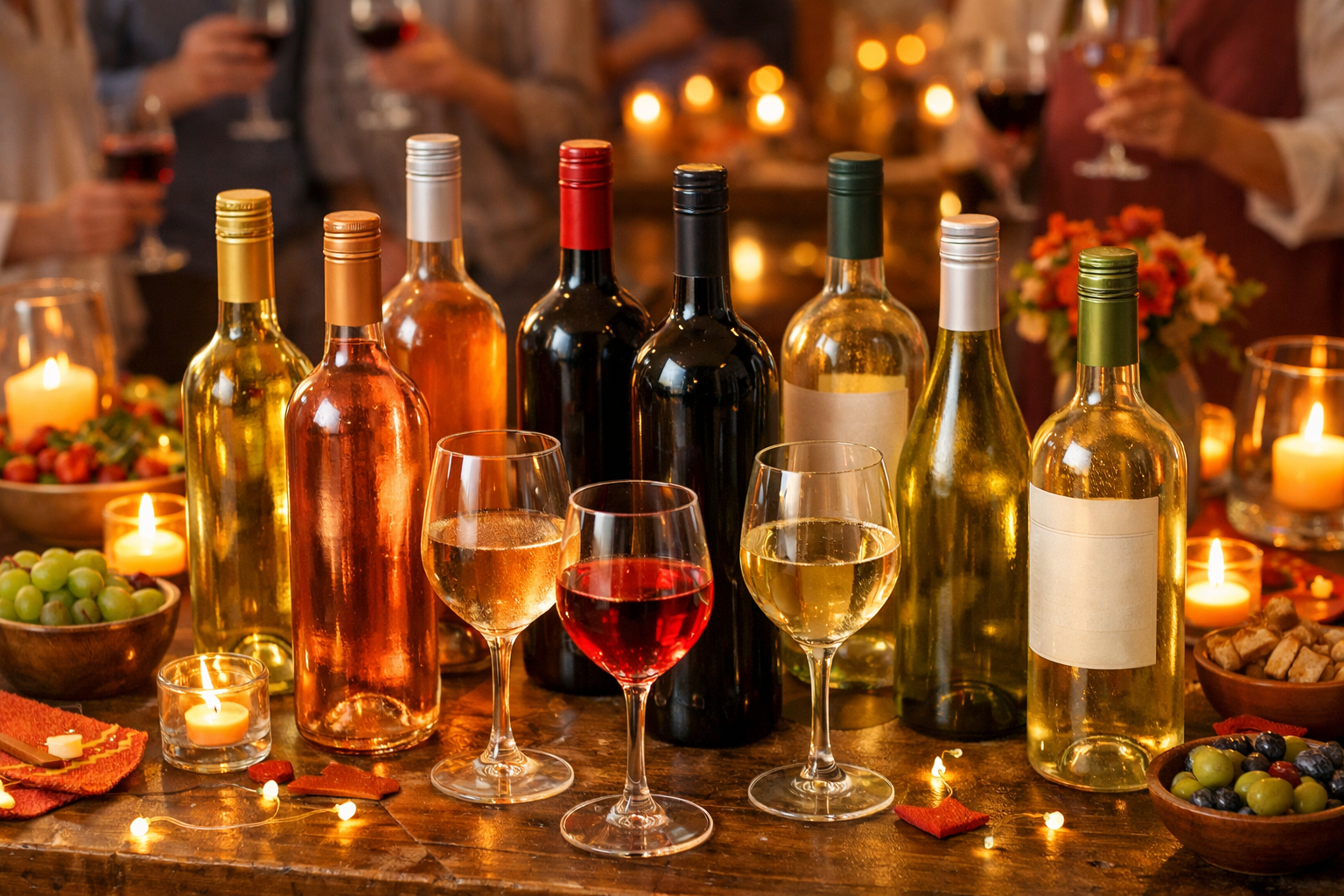
The Two-Bottle Strategy for Smaller Gatherings
Hosting six to eight people? Two well-chosen bottles can cover most situations beautifully.
Your two-bottle formula:
One crowd-pleasing white — Look for something aromatic but not too sweet. A Sauvignon Blanc with bright citrus notes or a lightly oaked Chardonnay works for most palates.
One approachable red — Skip anything too tannic or intense. A fruit-forward Pinot Noir or a smooth Grenache blend welcomes both red-wine lovers and curious white-wine drinkers willing to explore.
This pairing creates natural contrast without overwhelming anyone. The white handles your seafood appetizers and lighter fare, while the red stands up to heartier bites.
Temperature tip: Keep both bottles at proper serving temperature. Whites served too cold taste muted, and reds that are too warm feel heavy and alcoholic [2].
The Three-Bottle Strategy for Larger Groups
Once you're hosting ten or more people, add a third bottle to create a complete spectrum that rarely leaves anyone out.
Your three-bottle formula:
A refreshing white — Crisp, clean, food-friendly. Think Albariño, Vermentino, or unoaked Chardonnay.
A versatile rosé — Good rosé bridges the gap between white and red drinkers. Look for dry styles from Provence or similar regions.
A medium-bodied red — Avoid extremes. A Côtes du Rhône, Barbera, or lighter Malbec offers enough character for red lovers without intimidating anyone.
This three-bottle approach covers roughly 90% of typical gathering preferences. You're offering refreshing, in-between, and rich—the three lanes most guests naturally fall into.
Matching Wine to a Mixed Menu
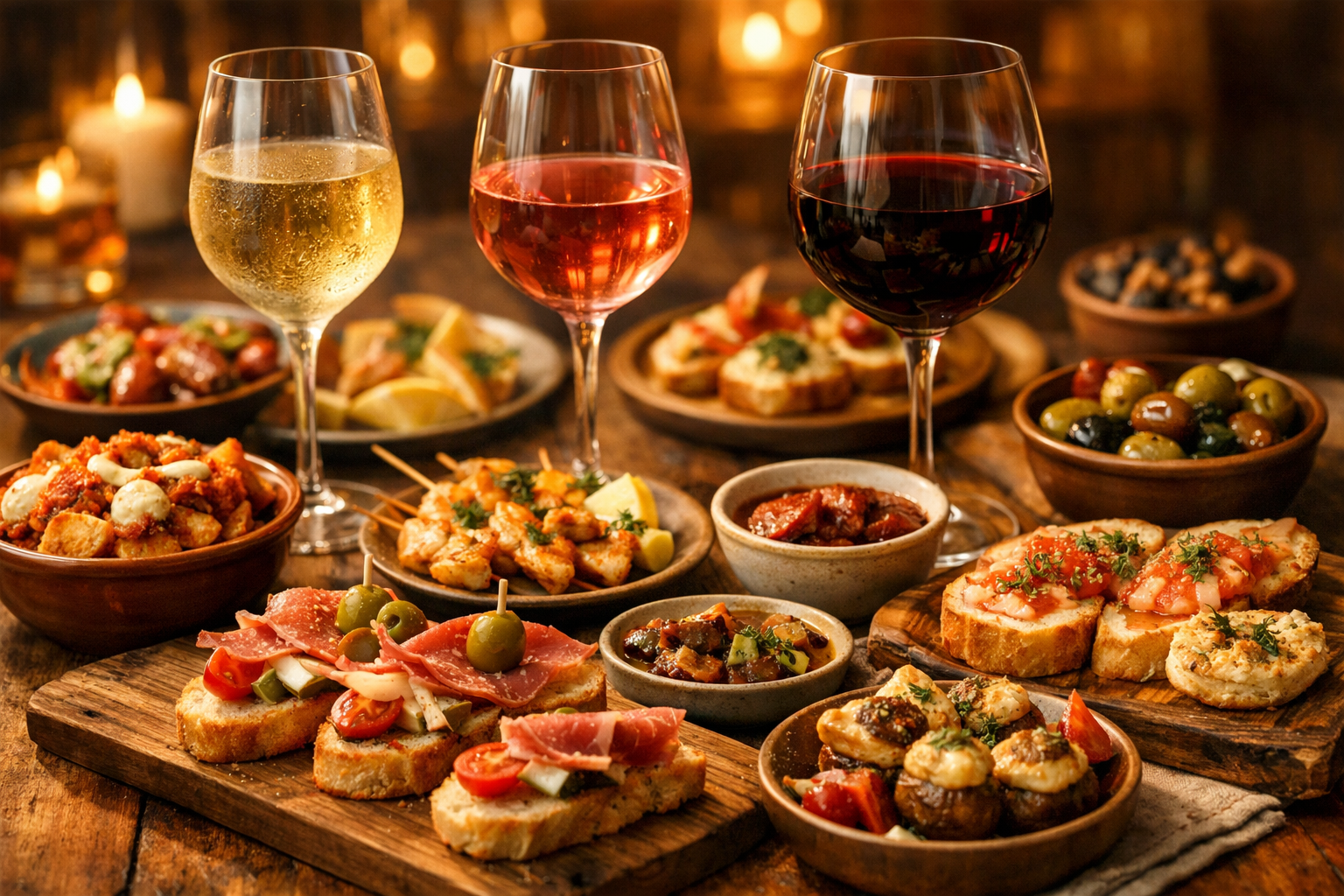
When your food spread is as varied as your guest list, wine selection gets trickier. A buffet with everything from hummus to brisket doesn't pair neatly with a single bottle.
For diverse, tapas-style spreads:
Lean toward medium-bodied wines that won't overpower lighter bites or get lost behind richer ones
Sparkling wine works surprisingly well across a mixed menu—bubbles and acidity cut through richness while complementing lighter fare
Rosé pulls double duty, pairing with vegetables, cheeses, charcuterie, and lighter proteins
For heavier, meat-focused menus:
Shift your red selection toward something with more structure (a fuller Malbec or Cabernet blend)
Keep a crisp white available for guests who prefer it regardless of the food
For lighter, vegetable-forward menus:
Prioritize aromatic whites and lighter reds
Skip heavily oaked or tannic options that can clash with fresh vegetables
The goal is wines that play nicely with multiple dishes rather than perfect pairings for any single one.
The Host Taste-Question Script
Most hosts struggle because they don't actually know what their guests like—they guess, assume, and stress.
A quick text or casual conversation before the gathering reveals more than you'd expect.
Questions that actually help:
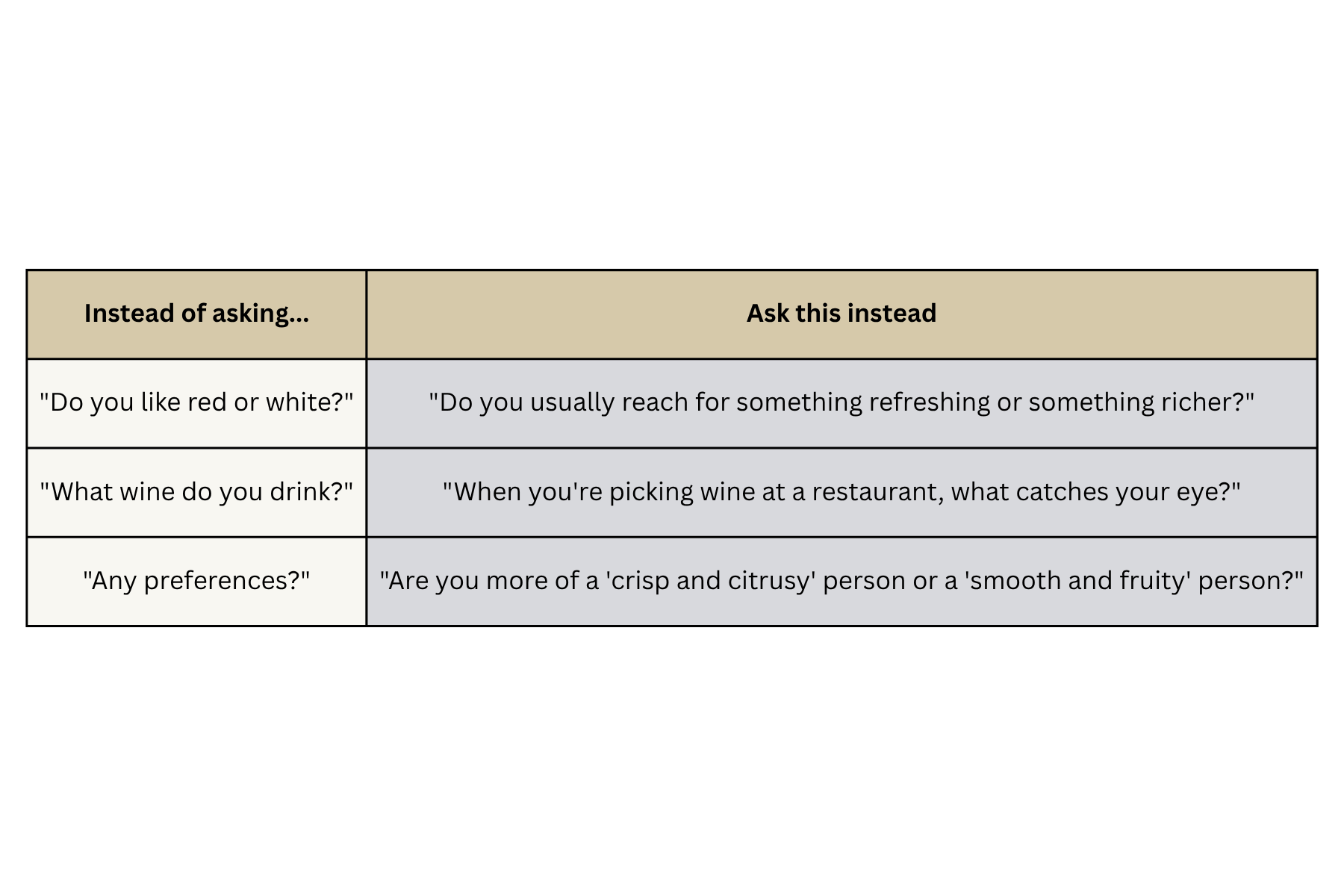
These questions get at sensation preferences rather than grape varieties or regions most people can't articulate anyway.
For the "I don't know wine" guest: When someone says they don't know what they like, ask what they don't like. "I hate anything too sweet" or "dry wines make my mouth feel weird" gives you real direction to work with.
Contingency Picks by Sweetness and Body Preference
Not everyone will answer your questions. Some will show up as plus-ones. Others genuinely have no idea what they want until glass meets lips.
Build contingency picks into your selection based on the two most reliable preference indicators: sweetness tolerance and body preference.
For Guests Who Prefer Sweeter Wines
These guests often say they "don't like wine" but actually haven't found the right style yet.
Keep on hand:
Off-dry Riesling or Gewürztraminer
Moscato d'Asti (lightly sparkling, lower alcohol)
Demi-sec sparkling wines
A touch of residual sugar in wine doesn't make it unsophisticated—it makes it approachable for certain palates [3]. Having one slightly sweeter option prevents the awkward moment where someone takes a sip, grimaces, and quietly sets their glass down.
For Guests Who Want "Big" Wines
These folks want presence, structure, something that announces itself.
Keep on hand:
Malbec with some oak aging
Zinfandel from California
Cabernet Sauvignon from warmer regions
One bottle in this category usually satisfies the "I like bold reds" crowd while your other selections handle everyone else.

For Guests Who Prefer Light and Crisp
Lighter-bodied wines appeal to guests who find most reds overwhelming or associate wine with heavy, headache-inducing pours.
Keep on hand:
Vinho Verde (Portuguese, lightly effervescent)
Grüner Veltliner
Lighter Pinot Grigio
These wines feel refreshing rather than demanding—perfect for guests who want something in their hand without committing to intensity.
Temperature and Timing Make the Difference
You can choose perfectly and still miss the mark if you serve wines at the wrong temperature.
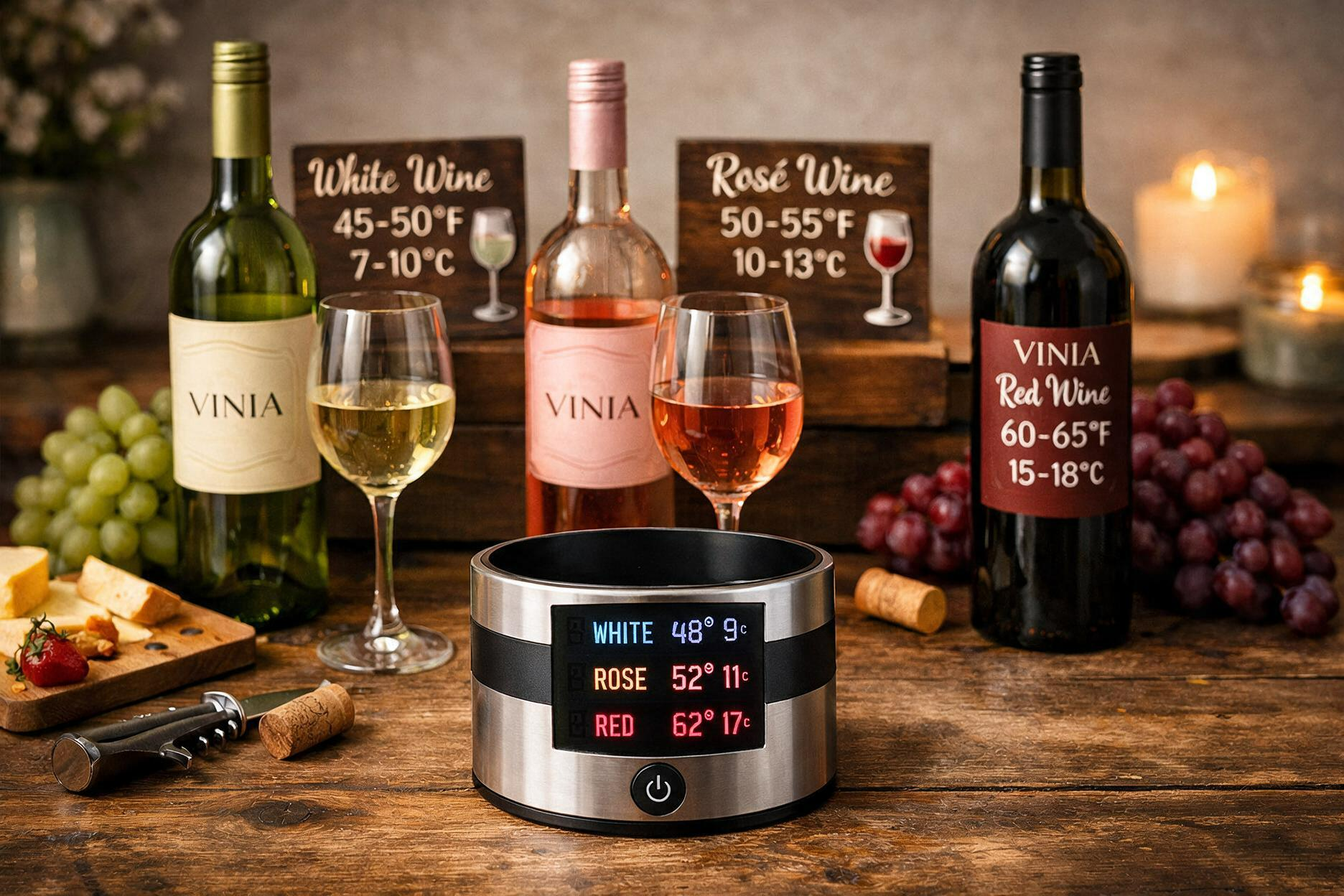
Quick temperature guide:
Sparkling wines: 38-45°F (refrigerator cold)
Light whites and rosés: 45-50°F (cool, not ice cold)
Fuller whites: 50-55°F (cellar temp)
Light reds: 55-60°F (slightly cool)
Full-bodied reds: 60-65°F (room temperature is actually too warm)
Most home "room temperature" runs warmer than ideal red wine serving temperature. A quick 15 minutes in the refrigerator brings fuller reds into their sweet spot [2].
When to Ask the Experts
Curated guidance beats guessing every time.
If your gathering matters—a birthday celebration, a reunion, a dinner party you actually want to nail—walking into a knowledgeable wine shop takes the pressure off entirely.
Come in with specifics: "I'm hosting fourteen people. Mixed tastes. Serving tapas-style bites. Budget is around $15-20 per bottle. What would you grab?"
Good wine shops live for this question. They'll suggest combinations you'd never consider, flag bottles that work across multiple palate types, and save you from the "safe but boring" trap.
This kind of personalized guidance from people who taste for a living beats any algorithm or wine app [1].
Building Your "Crowd-Pleasing" Go-To List
Over time, you'll develop your own reliable rotation. Track what works and what guests reach for repeatedly.
Start your list with these crowd-tested categories:
One sparkling option — Even one bottle creates celebration energy
One aromatic white — Floral, citrus-forward, conversation-starting
One neutral white — Clean, crisp, food-friendly, inoffensive
One rosé — Bridges gaps and handles warm-weather gatherings beautifully
One fruit-forward red — Approachable, soft tannins, easy-drinking
One structured red — For guests who want something substantial
You don't need all six categories at every gathering. Knowing which lane each bottle fills helps you mix and match based on your specific guest list and menu.
The "Wine for Everyone" Mindset Shift
Stop trying to buy the perfect wine. There isn't one.
Instead, buy a range that creates conversation, invites exploration, and ensures nobody feels left out. Mixed-taste gatherings are actually opportunities. The Cabernet lover might discover they enjoy that Grenache rosé. The "I only drink white" guest might take a curious sip of your lighter Pinot Noir.
Your job as host isn't to predict every preference perfectly. It's to create conditions where people feel comfortable trying something new—and always have a fallback they'll enjoy.
Ready to Stock Your Next Gathering?
Planning a group event and want guidance that actually fits your crowd? Talking through your guest list, menu, and vibe with someone who tastes wine daily makes all the difference.
Come in and see us at The Pip Wine Bar & Shop in Downtown Dixon. Tell us who's coming, what you're serving, and what you're worried about. We'll help you build a lineup that handles mixed tastes without the stress—and might even introduce you to a few new favorites along the way.
Frequently Asked Questions
How many bottles of wine do I need for a party with mixed preferences?
Plan for roughly half a bottle per guest for a standard two- to three-hour gathering. For twelve guests, six bottles gives you comfortable coverage. With mixed tastes, split that across styles—two whites, two reds, and maybe a rosé or sparkling to round things out. Having variety matters more than sheer volume when preferences differ.
What if someone doesn't like any wine I've chosen?
Keep one "universal fallback" on hand—typically a well-made sparkling wine or an off-dry white like Riesling. These styles appeal to guests who struggle with dry wines or tannins. You can also offer a simple cocktail or craft beer as a gracious alternative without making anyone feel awkward about their preferences.
Should I buy expensive wine for a crowd?
Not necessarily. Mid-range wines often perform better at gatherings because guests feel comfortable drinking freely rather than rationing "the good stuff." Focus your budget on quality in the $15-25 range rather than one showstopper bottle that intimidates people or runs out immediately. Save the special bottles for smaller, more focused tastings.
How do I handle guests who say they "don't care" about wine?
These guests often have subconscious preferences they haven't articulated. Offer them a taste of two contrasting options—something crisp versus something richer—and let them discover what they actually enjoy. Their reaction tells you more than their words ever could, and most people appreciate the low-pressure guidance.
Can I ask a wine shop to help me choose for a mixed-taste event?
Absolutely—this is exactly what curated bottle shops do well. Bring details: how many guests, what food you're serving, your budget, and any preferences you do know. A knowledgeable shop will build a balanced selection faster than you could research on your own, often suggesting bottles you'd never have considered.
About Our Expertise
The Pip Wine Bar & Shop is a woman-owned wine bar and curated bottle shop in Downtown Dixon, California. Our staff tastes and hand-selects every bottle on our shelves, specializing in unique wines from smaller producers you won't find in big-box stores. We help guests navigate wine choices daily—whether they're stocking a dinner party, planning a private event, or simply discovering what they like. Our recommendations come from hands-on experience serving real guests with real preferences, not algorithms or marketing materials.
Cited Works
[1] Wine Folly — "How to Choose Wine." https://winefolly.com/tips/how-to-choose-wine/
[2] Wine Enthusiast — "Wine Serving Temperature Guide." https://www.winemag.com/2019/09/13/wine-serving-temperature-guide/
[3] Guild of Sommeliers — "Understanding Residual Sugar in Wine." https://www.guildsomm.com/public_content/features/articles/b/understanding-residual-sugar