
Vermouth Beyond Martinis: How to Sip, Serve, and Choose a Bottle
That bottle of vermouth on your bar cart? It's been sitting there since your last cocktail party, slowly oxidizing while you ignore it.
Vermouth deserves better treatment. And honestly, so does your palate.
This aromatized wine—infused with botanicals, spices, and herbs—has been enjoyed neat across Europe for over two centuries [1]. Long before it became a cocktail modifier, Italians and Spaniards were sipping it slowly at café tables, served over ice with a twist of citrus and maybe some olives on the side. That tradition never disappeared. Most of us just forgot about it.
At The Pip Wine Bar & Shop in Downtown Dixon, we've watched guests discover vermouth as a standalone pour and completely rethink what this category can do. It's complex enough to sip thoughtfully, versatile enough to pair with food, and approachable enough that you don't need a sommelier's vocabulary to enjoy it.
What Exactly Is Vermouth?
Vermouth belongs to a category called aromatized wines. Start with a base wine (usually white, even for red vermouths), fortify it with a neutral spirit to increase alcohol content and stability, then infuse it with a proprietary blend of botanicals [1]. The result sits somewhere between wine and spirit—typically 15% to 18% alcohol by volume.
The name itself comes from "wermut," the German word for wormwood, which was historically a key bittering agent in the recipe [1]. Today's vermouths may or may not contain wormwood, but they all share that signature interplay of bitter, sweet, and aromatic notes.
The Core Vermouth Styles
Understanding vermouth styles helps you navigate bottles with confidence.
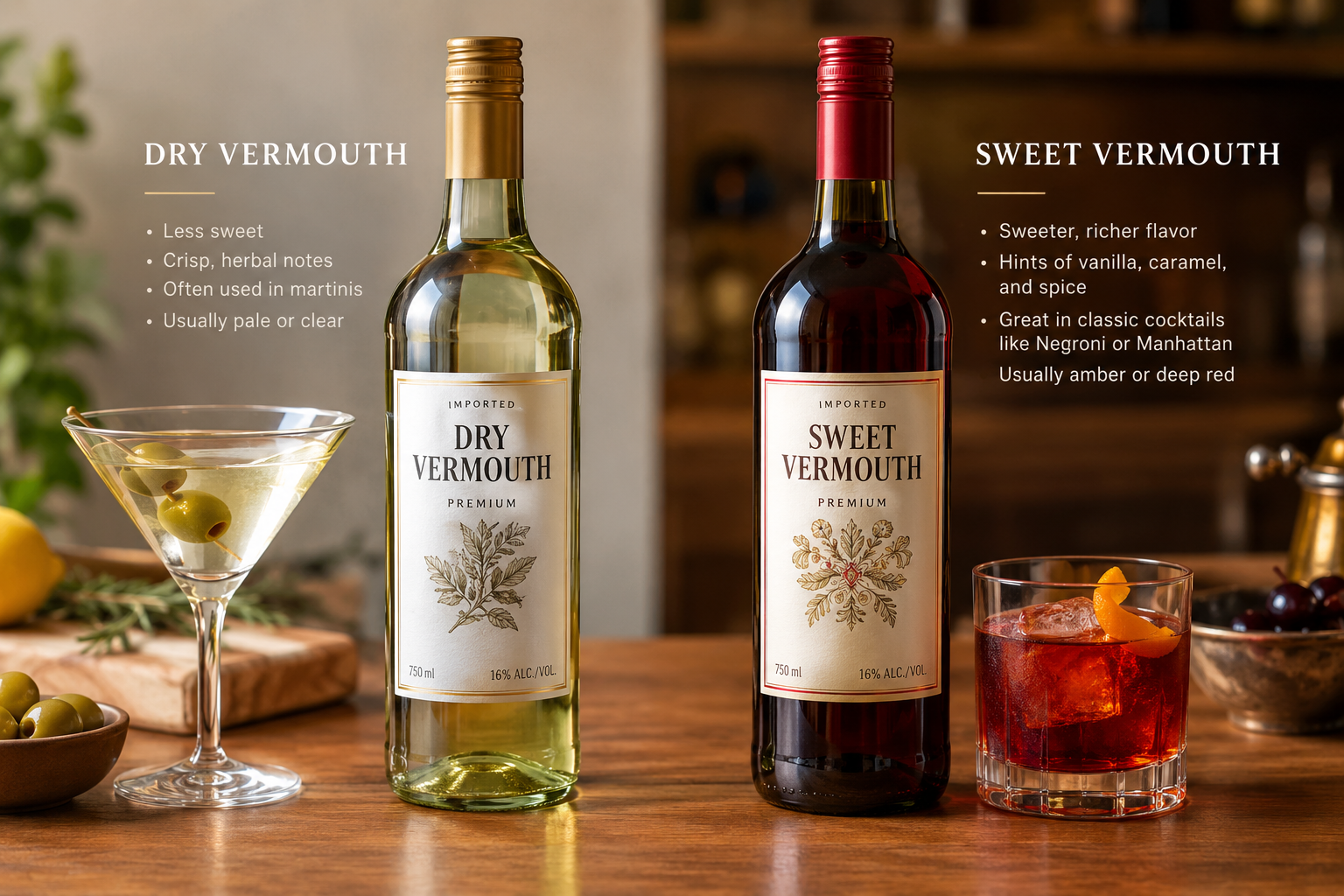
Dry vermouth (also called French vermouth or white vermouth) tends toward pale, crisp, and herbaceous. Think chamomile, citrus peel, and subtle floral notes. Dolin Dry from the French Alps is a classic benchmark—clean, balanced, and versatile. This style shines on its own as an aperitif, not just as a martini modifier.
Sweet vermouth (also called Italian vermouth or rosso) delivers richer, darker flavors—dried fruits, vanilla, and warming spices like cinnamon and clove. Carpano Antica Formula offers a lush, vanilla-forward profile, while Cocchi Vermouth di Torino brings more bitter complexity. The deep amber or reddish color often comes from added caramel coloring rather than the botanicals themselves.
Bianco vermouth splits the difference: sweeter than dry but lighter than rosso, with vanilla and citrus-forward profiles. Cinzano Bianco and Martini Bianco are widely available examples, though smaller producers like Contratto make more nuanced versions worth seeking out.
Rosé vermouth has emerged as a modern style—fruit-forward, balanced sweetness, and often featuring berry or stone fruit notes alongside the traditional botanical backbone.
Regional variations matter too. Spanish vermouths like Lustau and Yzaguirre tend toward sweeter, more oxidative profiles with notes of dried fruit and nuts—perfect for sipping. Italian producers from Turin (the historic heart of vermouth production) offer everything from bitter-leaning aperitivo styles to lush, dessert-like expressions. American craft producers like Lo-Fi Aperitifs and Matthiasson have entered the category with California-grown botanicals and distinctive regional character.
Three Simple Ways to Serve Vermouth
Forget the cocktail shaker for a moment. Here's how to enjoy vermouth on its own terms.
The Classic Neat Pour
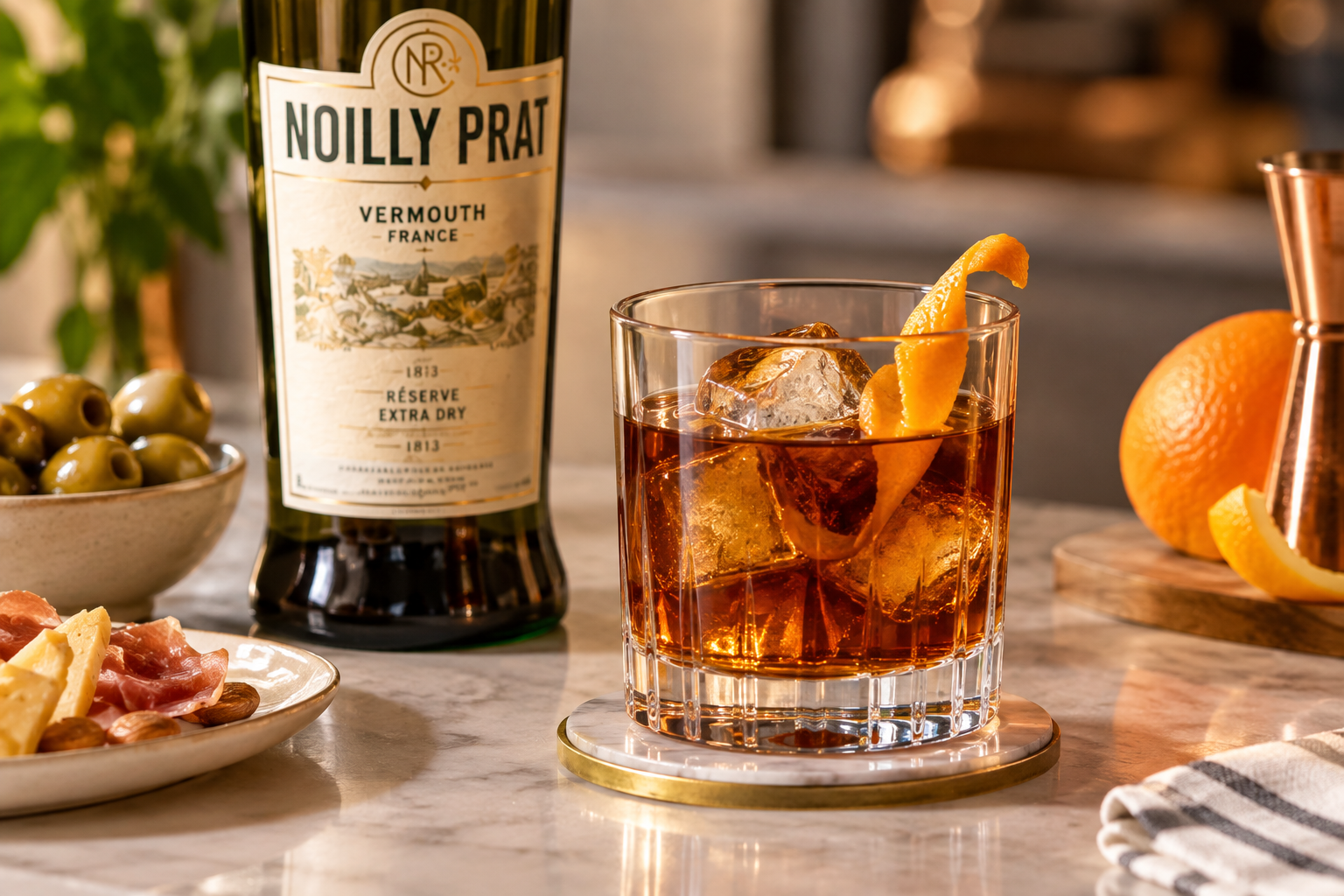
Pour two to three ounces of quality vermouth into a small wine glass or rocks glass without ice. This lets you experience the full aromatic complexity. Sip it slowly. Notice how the botanicals unfold. Sweet vermouths particularly benefit from this approach—subtle spice and herbal notes emerge as the liquid warms slightly in your glass.
This method works best with vermouths you genuinely want to study. Carpano Antica or a well-made Spanish vermouth like Lustau rewards this kind of attention.
The Chilled Aperitif
This is how most Europeans actually drink vermouth. Fill a rocks glass with ice, pour three ounces of vermouth over it, and add a citrus twist—orange for sweet vermouth, lemon for dry. Some people add a splash of soda water for a lighter, more effervescent experience.
The ice opens up the aromatics while keeping the drink refreshing. Perfect for warm weather or as a pre-dinner appetite stimulant.
The Spritz Variation
Combine equal parts vermouth and sparkling wine (or two parts sparkling to one part vermouth), add ice, and garnish with an olive or citrus. This creates a low-alcohol, highly crushable drink that works from afternoon into evening.
The spritz approach lets you stretch a bottle further while introducing friends to vermouth in an accessible format.
Finding Your Vermouth Style
Not sure where to start? Use your existing wine and cocktail preferences as a guide.
If you like bone-dry white wines (Albariño, Muscadet, dry Riesling): Start with a quality dry vermouth like Dolin Dry or Noilly Prat Original Dry. You'll appreciate the herbaceous, citrus-forward character without excessive sweetness.
If you enjoy off-dry or aromatic whites (Gewürztraminer, Viognier, sweeter Rieslings): Bianco vermouth will feel like home. The vanilla and floral notes complement your existing palate without the deeper caramel flavors of rosso styles.
If red wine is your go-to (Malbec, Zinfandel, fuller-bodied blends): Sweet vermouth's richer profile—dried fruit, baking spices, and that slight bitter backbone—will resonate. Try Cocchi Vermouth di Torino or Carpano Antica Formula.
If you gravitate toward cocktails with bitter elements (Negronis, Americanos, anything with Campari): Seek out vermouths with pronounced bitter notes. Punt e Mes (technically a vermouth-amaro hybrid) or Cocchi's more bitter-forward expressions stand up beautifully in cocktails but also satisfy when sipped solo.
If you're completely new to vermouth: Bianco is your friendliest entry point. Approachable sweetness, smooth texture, no aggressive bitterness to navigate. From there, explore in either direction based on what you discover about your preferences.
The Refrigeration Reality Most People Miss
Here's where most home bars fail vermouth: storage.
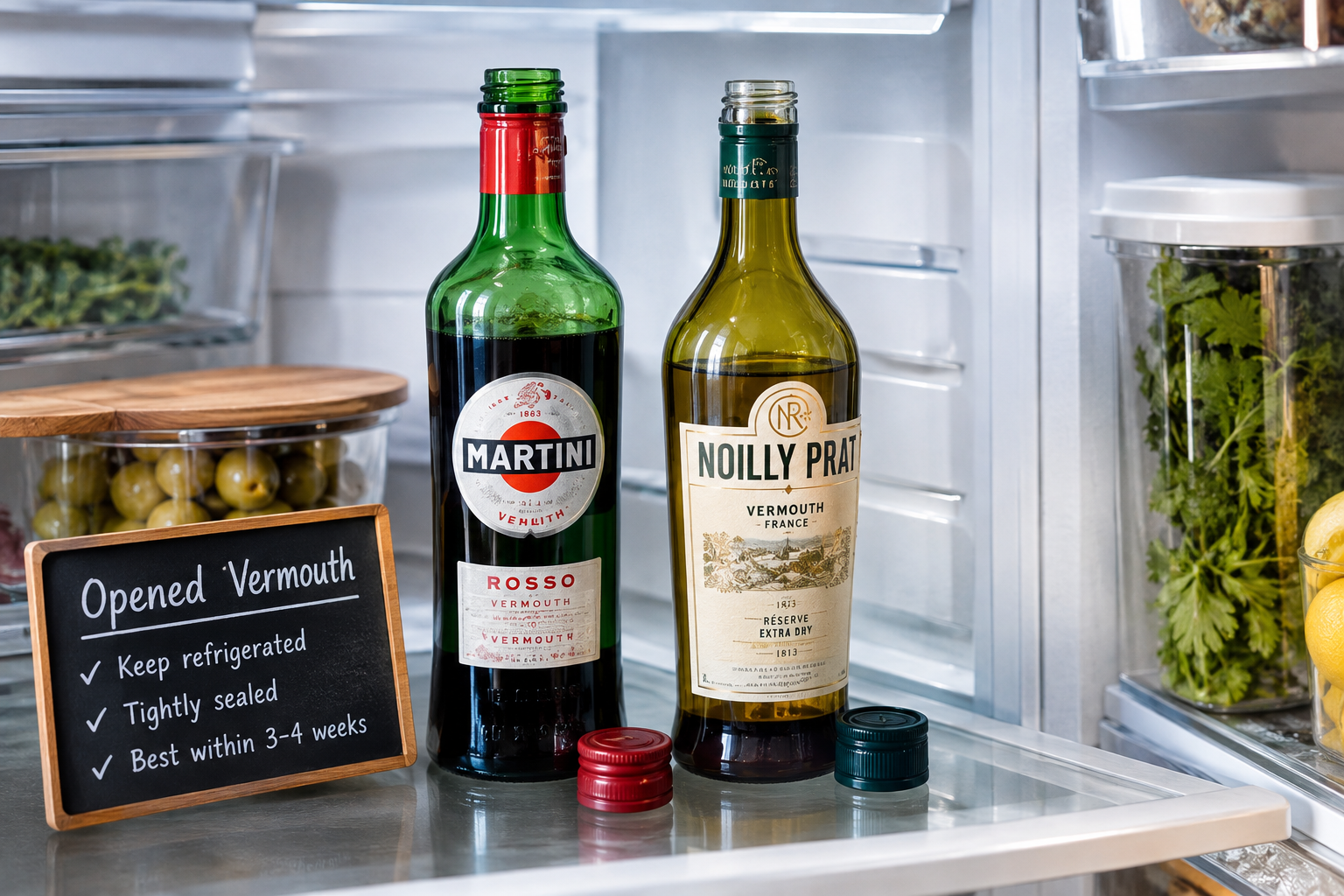
Once you open a bottle of vermouth, the clock starts ticking. Because vermouth is wine-based, it oxidizes. That cocktail-ready bottle on your bar cart? If it's been open for six months at room temperature, it's probably dull, flat, and nothing like what the producer intended [2].
The rule is simple: refrigerate after opening.
Cold temperatures slow oxidation significantly. An opened bottle of vermouth, tightly capped and stored in the refrigerator, stays vibrant for roughly three to four weeks [2]. Some producers suggest up to a month. Beyond that window, the botanical brightness fades, and you're left with something tired and one-dimensional.
Unopened bottles, by contrast, can last for years when stored properly at room temperature away from heat and light.
This timeline actually makes vermouth perfect for regular sipping rather than occasional cocktail use. If you're pouring three-ounce aperitifs a few times a week, you'll easily finish a 750ml bottle within that freshness window.
Practical Storage Tips
Buy sizes you'll actually finish. Many quality vermouths come in 375ml bottles. If you're experimenting with a new style, start small.
Keep multiple styles on rotation. A dry and a sweet vermouth, both refrigerated, covers most bases for cocktails and sipping.
Date your bottles. Use a wine marker or tape to note when you opened it. No guessing.
Store unopened bottles properly. Away from heat, away from direct light, stored upright (not on their side like regular wine).
Reading Vermouth Labels
Vermouth labeling can feel cryptic. Here's what actually matters.
"Dry" vs. "Extra Dry": These terms don't always mean what you'd expect. Some extra dry vermouths still carry noticeable sweetness—they're just drier than rosso. Taste is more reliable than label claims.
Country of origin: Italian vermouths (especially from Turin) often lean toward traditional, rosso-heavy profiles. French vermouths established the dry style. Spanish vermouths frequently offer bolder, more oxidative characteristics. American craft producers borrow from all traditions while adding regional botanical twists.
Botanical transparency: Some labels list key botanicals; most don't (proprietary recipes). If a bottle highlights specific ingredients—wormwood, gentian, chamomile, cinchona bark—it signals that the producer wants you thinking about those flavors.
ABV: Standard vermouths run 15% to 18% alcohol. Higher ABV often means bolder flavor and better shelf stability. Lower ABV expressions may taste softer but require faster consumption after opening.
Price as signal: Vermouth occupies a wide quality spectrum. Entry-level bottles work fine as cocktail modifiers. Mid-range and higher expressions reward sipping neat. The complexity difference becomes obvious once you try them side by side.
Pairing Vermouth with Food
Vermouth's botanical complexity makes it a surprisingly effective food partner—particularly with the kind of tapas-style bites you'd find at a wine bar.
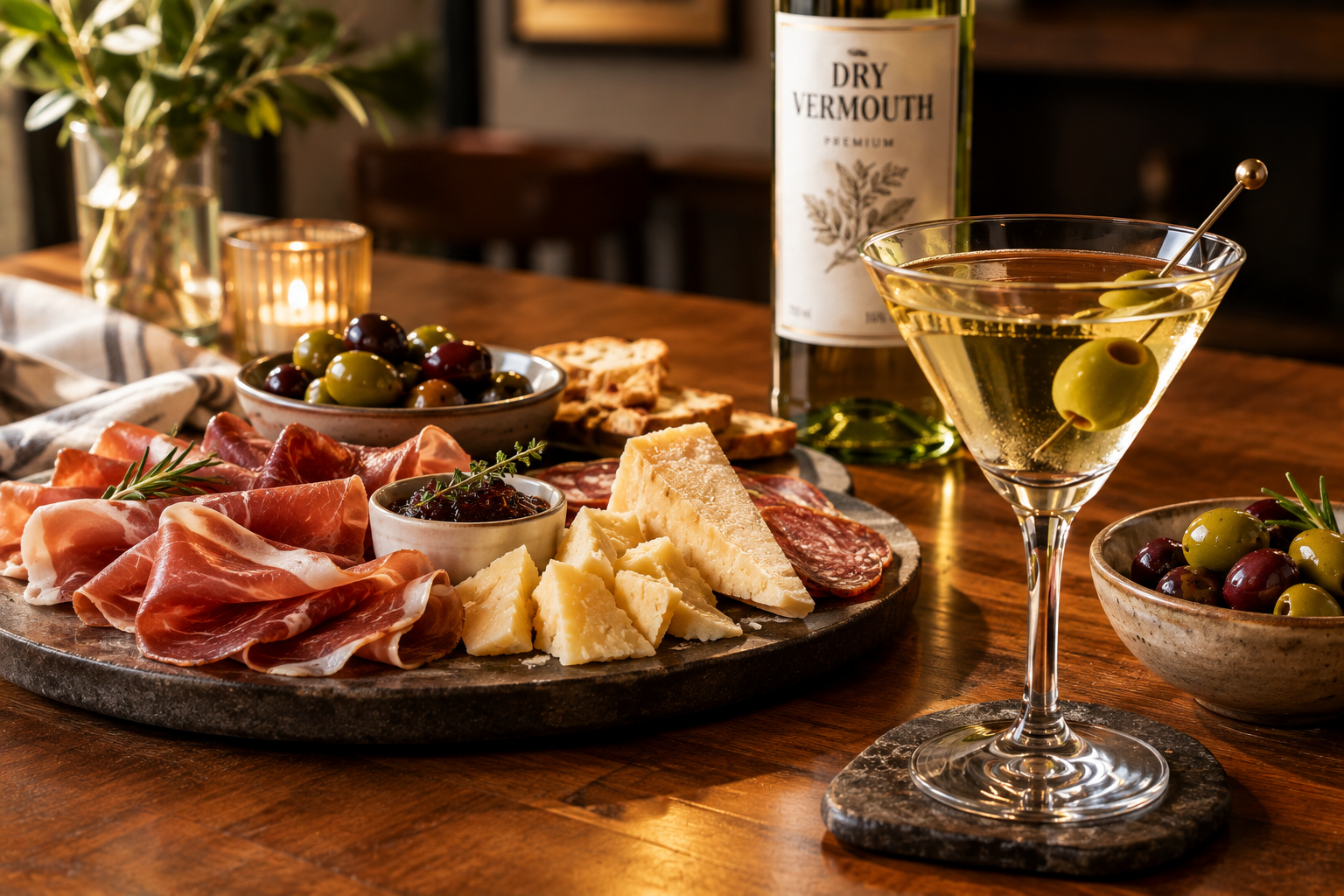
Olives and cured meats: The classic pairing. Vermouth's slight bitterness and herbal notes cut through fat while complementing the brininess of quality olives. This is why European vermouth service almost always includes something to nibble.
Aged cheeses: A good Manchego or Parmigiano-Reggiano alongside sweet vermouth creates a beautiful push-pull between nutty richness and botanical brightness.
Nuts: Roasted almonds, Marcona almonds, or mixed nuts. Simple, effective, traditional.
Seafood: Dry vermouth's citrus-forward profile works beautifully with oysters, shrimp, or lighter fish preparations.
Soft pretzels and rich, salty snacks: Anything that benefits from a palate-cleansing sip between bites. The interplay between salt, fat, and vermouth's herbal bitterness keeps your palate engaged.
The general principle: vermouth acts like wine at the table but with more aromatic complexity. It refreshes, cleanses, and complements without overwhelming.
Why Small-Producer Vermouths Matter
Like wine, vermouth quality varies enormously based on who's making it and how much attention they're paying.
Industrial vermouths prioritize consistency and cost efficiency. They work as cocktail ingredients where other flavors dominate. Nothing wrong with that—Martini & Rossi and Cinzano have their place.
Small-producer vermouths prioritize character. Producers like Cocchi source specific base wines, develop proprietary botanical blends with intention, and often produce in smaller batches where quality control remains hands-on. American craft producers like Lo-Fi Aperitifs (California) use locally sourced botanicals that give their vermouths distinctive regional identity. These bottles taste like something—distinctive, interesting, worth your attention.
The small-producer approach mirrors what you'd look for in wine: evidence of care, regional identity, and flavor complexity that rewards slower sipping. When you shop at a curated wine bar and bottle shop, you're more likely to encounter these thoughtfully made expressions rather than the mass-market standards.
Building Your Vermouth Rotation
A practical approach to exploration:
Start with two bottles: One dry (Dolin Dry is a reliable starting point), one sweet (Cocchi Vermouth di Torino offers excellent quality at a reasonable price). This covers cocktail needs while giving you sipping options.
Taste them neat first: Before you mix anything, pour each vermouth on its own. Notice the differences. Identify what you like.
Then try them chilled: Ice plus citrus twist. See how temperature changes your perception.
Graduate to comparison: Once you finish your first bottles, try a different producer in the same style. Compare Dolin to Noilly Prat, or Cocchi to Carpano Antica. The variation might surprise you.
Eventually, explore specialty styles: Rosé vermouths, bitter-forward expressions like Punt e Mes, regional specialties from Spain (Lustau, Yzaguirre). By then, you'll know your preferences well enough to choose confidently.
The Case for Vermouth
Vermouth solves several problems at once.
It's lower in alcohol than spirits, making it a genuine session option for longer evenings. It's complex enough to hold your attention without demanding the commitment of a full wine bottle. It bridges the gap between wanting a drink and not wanting to feel it too much.
For anyone building a home bar or simply looking to expand their drinking horizons, vermouth offers tremendous range at accessible price points. A quality bottle costs roughly what you'd pay for a decent wine—sometimes less—and delivers flavor complexity that punches above its weight.
Vermouth reminds us that not every drink needs to be engineered for maximum impact. Sometimes the best pour is one you can sip slowly, think about a little, and genuinely enjoy.
Come Discover Vermouth With Us
Curious about vermouth but not sure where to start? Come hang out at The Pip Wine Bar & Shop in Downtown Dixon. Our curated selection includes vermouths you won't find at big-box stores—hand-selected bottles from small producers who care about the craft. We'll help you find one that matches your palate, no intimidation required.
Not sure what you like? Just ask. We'll guide you.
Frequently Asked Questions
How long does vermouth last after opening?
Vermouth is wine-based, which means it oxidizes once exposed to air. Store opened bottles in the refrigerator and plan to finish them within three to four weeks for optimal flavor. After that point, the botanical brightness fades noticeably, leaving a flatter, less interesting drink. Unopened bottles stored away from heat and light can last for years.
Can you drink vermouth straight without mixing it?
Absolutely—and that's how vermouth has been enjoyed across Europe for centuries. Pour it neat at room temperature to study its complexity, or serve it over ice with a citrus twist for a refreshing aperitif. Quality vermouths from producers like Cocchi, Carpano, or Lustau are specifically crafted to be sipped on their own, not just used as cocktail modifiers.
What's the difference between sweet and dry vermouth?
Dry vermouth (often called French vermouth) is pale, herbaceous, and crisp with citrus and floral notes—Dolin and Noilly Prat are classic examples. Sweet vermouth (often called Italian vermouth or rosso) is darker, richer, and features flavors like caramel, vanilla, dried fruits, and warming spices—Carpano Antica and Cocchi Vermouth di Torino represent this style well. Both start from similar base wines but use different botanical blends and sugar levels.
Does vermouth need to be refrigerated?
Yes, once opened. Vermouth's wine base makes it perishable in ways that spirits aren't. Cold storage dramatically extends its freshness window from days to weeks. Unopened bottles can be stored at room temperature away from heat and light, but the moment you break the seal, move it to the refrigerator.
What foods pair well with vermouth?
Vermouth excels alongside tapas-style snacks: olives, cured meats, aged cheeses like Manchego or Parmigiano-Reggiano, roasted nuts, and seafood. Its botanical complexity and slight bitterness cut through rich, fatty foods while complementing briny or salty flavors. Think of it as a more aromatic alternative to wine when choosing food pairings.
About Our Expertise
The Pip Wine Bar & Shop is a curated wine bar and bottle shop in the heart of Downtown Dixon, California. Our team hand-selects every bottle on our shelves, focusing on unique wines and vermouths from small producers you won't find in grocery stores or big-box retailers. We believe great drinking experiences come from guidance without pretension—helping guests discover what they genuinely enjoy in a comfortable, welcoming environment. Whether you're exploring vermouth for the first time or hunting for something specific, we're here to help.
Works Cited
[1] VinePair — "A Brief History of Vermouth."
https://vinepair.com/articles/brief-history-vermouth/
[2] Wine Enthusiast — "How to Store Vermouth and How Long It Lasts." https://www.winemag.com/2019/08/28/how-to-store-vermouth/