
Sherry for Wine Drinkers: From Crisp Fino to Rich Pedro Ximénez
You probably have a go-to Sauvignon Blanc for weeknights or a bold red that comes out when company arrives. But there's a whole category sitting on the shelf—one that's been around for centuries—that most wine drinkers have never really explored.
Sherry.
Not the dusty cooking wine your grandmother kept above the stove. We're talking about one of the most versatile, food-friendly, and genuinely delicious fortified wines in the world. The names sound unfamiliar, the styles range wildly, and honestly, it's easier to grab what you already know.
If you already drink wine, you're closer to loving sherry than you think. This guide breaks down the entire spectrum—from bone-dry and bracing to syrupy-sweet and luxurious—so you can find your entry point and expand from there.
What Makes Sherry Different from Regular Wine
Sherry comes exclusively from the Jerez region in southwestern Spain, near the city of Cádiz [1]. That geographic protection matters—it's why you can trust the name on the label, much like Champagne or Cognac.
The key difference from table wine is fortification. After fermentation, producers add grape spirit to raise the alcohol content, typically landing between 15% and 22% depending on the style [2]. This isn't about making a stronger drink. The added alcohol determines how the wine ages and which flavors develop over time.
Two aging processes create dramatically different results:
Biological aging happens under a layer of yeast called flor that forms naturally on the wine's surface. This protective blanket keeps oxygen out and creates those distinctive tangy, nutty, almost saline flavors [1]. The flor essentially keeps fermenting, consuming residual sugars and contributing compounds that give Fino and Manzanilla their unique character.
Oxidative aging occurs when wine has direct contact with air in partially filled barrels. Without flor protection, the wine darkens, concentrates, and develops rich caramel and dried fruit notes [2].
Understanding this split—biological versus oxidative—unlocks the entire sherry spectrum.
The Solera System: Why Sherry Tastes So Consistent
One reason sherry achieves such remarkable complexity is the solera system, a fractional blending method unique to this region [1]. Picture stacked rows of barrels. When sherry is bottled, it's drawn from the oldest barrels on the bottom row. Those barrels are then topped up with wine from the row above, which is topped up from the row above that, and so on.
The result? Every bottle contains a blend of wines spanning many years—sometimes decades. The older wine "teaches" the younger wine, creating consistency and depth you simply can't achieve with single-vintage production. Some soleras include barrels that have been in continuous use for over a century [3].
The Dry Sherry Spectrum: Where Most Wine Drinkers Should Start
If you drink dry white wine, dry sherry is your gateway. These styles have zero residual sugar and offer complexity that rivals any premium wine at a fraction of the price.
Fino: The Crispest Expression
Fino is sherry at its leanest and most refreshing. Aged entirely under flor, it never touches oxygen. The result is a pale, straw-colored wine with sharp acidity, subtle almond notes, and a distinctive saline minerality that practically demands food [1].
Look for producers like Tio Pepe (from González Byass), one of the most widely available quality Finos, or seek out Lustau's Puerto Fino for a slightly richer take. Valdespino's Inocente, fermented entirely in barrel, represents the traditional benchmark [3].
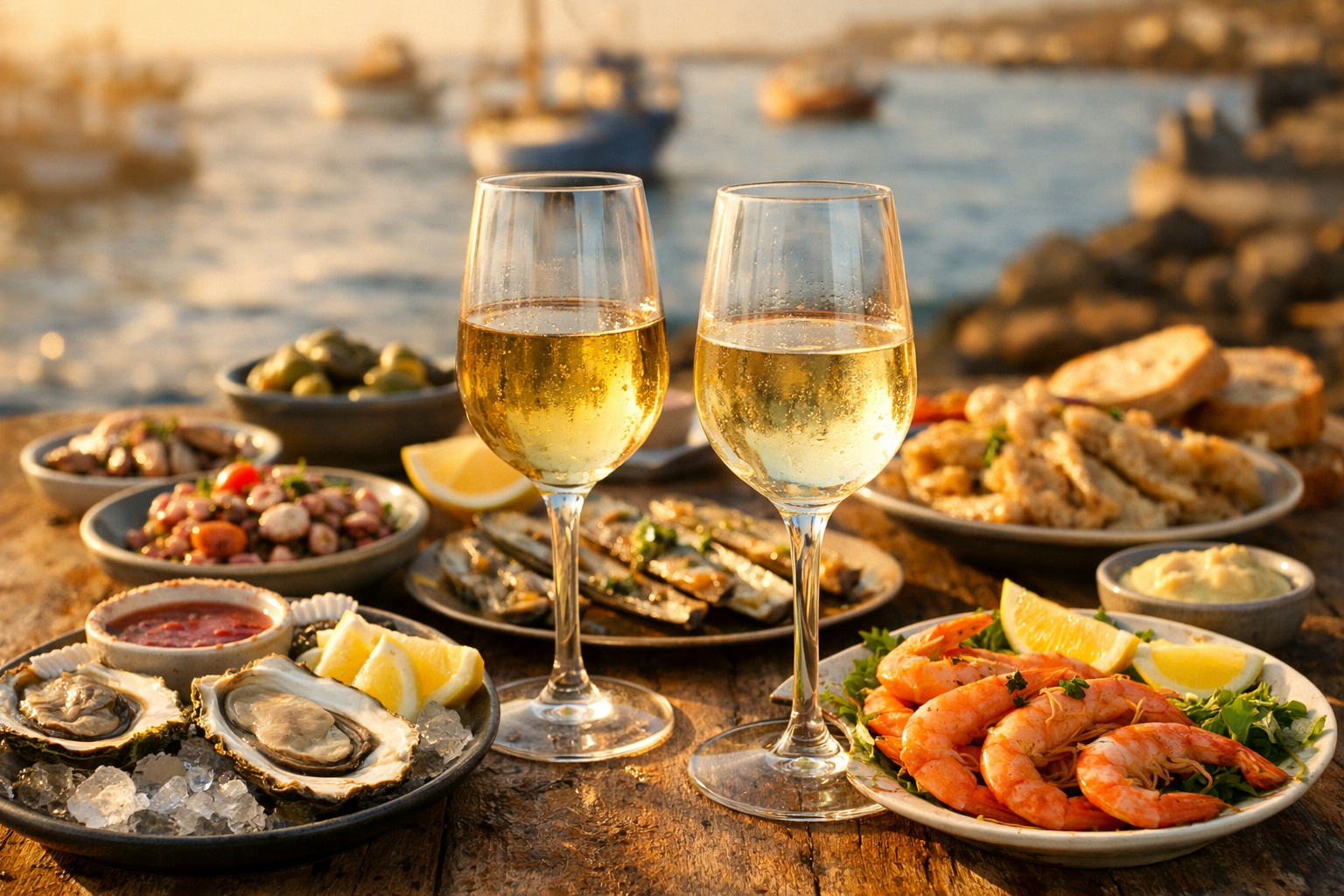
Fino pairs brilliantly with olives, almonds, fresh seafood, or anything salty. If you enjoy Albariño, Muscadet, dry Riesling, or Chablis, Fino will feel familiar—just more intense.
The catch: Fino is delicate. Once opened, treat it like regular white wine—drink it within a few days and keep it cold.
Manzanilla: Fino's Coastal Sibling
Technically a subset of Fino, Manzanilla comes specifically from the coastal town of Sanlúcar de Barrameda. The humid sea air creates thicker flor, resulting in an even more pronounced briny, almost chamomile-like character (manzanilla means "little apple" but also refers to chamomile in Spanish) [2].
La Guita and Hidalgo's La Gitana are widely available and excellent starting points. For something more complex, Equipo Navazos produces stunning single-cask Manzanillas that showcase what this style can achieve.
If you love mineral-driven Chablis or coastal whites, Manzanilla delivers that beach-day, salt-spray quality in concentrated form.
Amontillado: Where Biological Meets Oxidative
Amontillado starts life as Fino, aging under flor. Then the flor dies off—naturally or because the wine is fortified higher—and oxidative aging begins [1]. This dual identity creates something special.
You get the nutty, saline notes from biological aging plus the amber color and deeper complexity from oxygen exposure. The texture is medium-bodied with flavors of hazelnuts, caramel, and dried herbs.
Lustau's Los Arcos offers an accessible introduction, while Valdespino's Tio Diego and Bodegas Tradición's aged Amontillados show the style's upper reaches. These are wines that reward patience and attention.
Amontillado handles roasted chicken, aged cheese, and mushroom dishes beautifully. If you enjoy aged white Burgundy or oaked Chardonnay, this style bridges that gap perfectly.
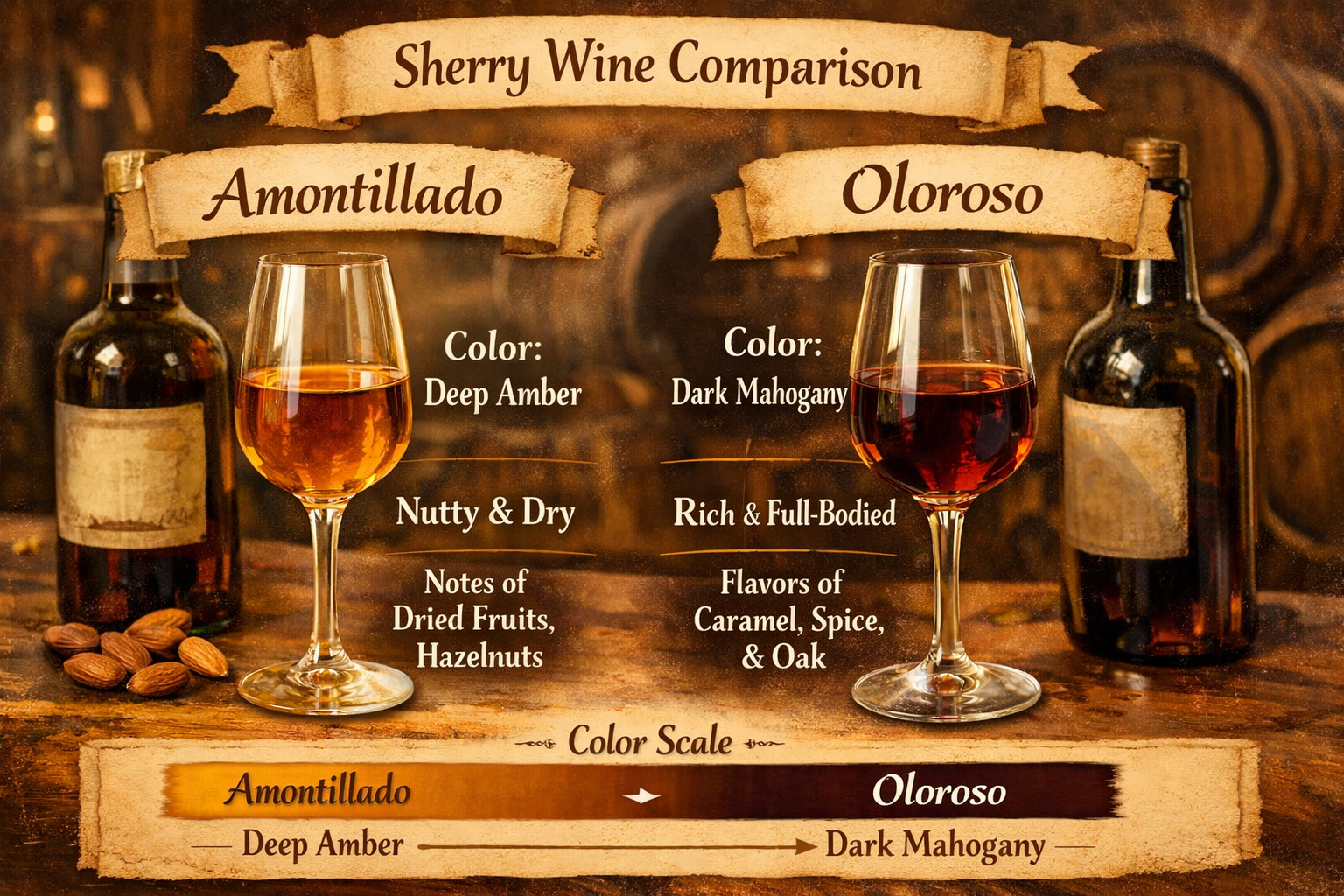
Oloroso: Dry Intensity Without the Flor
Oloroso skips biological aging entirely. From the start, it's fortified to a level that prevents flor from forming, then ages in contact with oxygen for years [2].
The result is a deep mahogany wine with intense flavors of walnuts, leather, tobacco, and dark caramel—despite being completely dry. The texture is fuller, almost weighty, with the kind of concentration you'd expect from aged spirits.
Lustau's Don Nuño is widely available and reliably excellent. González Byass Alfonso and Valdespino Don Gonzalo represent the category's more serious expressions. For a splurge, Bodegas Tradición produces Olorosos aged 30 years or more.
These wines stand up to braised meats, game, and hard aged cheeses. If you gravitate toward bold reds or enjoy brandy, Oloroso speaks your language.
Palo Cortado: The Happy Accident
Palo Cortado occupies a peculiar middle ground. It begins developing under flor like a Fino, then loses that protection early and unexpectedly, continuing to age oxidatively [1]. The result combines Amontillado's aromatic delicacy with Oloroso's fuller body.
Why the flor dies off remains somewhat mysterious, which adds to the appeal. Some believe certain barrels simply have different characteristics; others point to cellar position or subtle chemical variations. Whatever the cause, true Palo Cortado is relatively rare, and producers like Lustau, Valdespino, and Fernando de Castilla command premium prices for genuine examples [3].
This is the style to reach for when you want to impress someone who thinks they know wine.
The Sweet Side: From Cream Sherry to Liquid Dessert
Not all sherry is dry. The sweetened styles offer completely different experiences—some meant for dessert, others as dessert themselves.
Cream Sherry: Blended for Balance
Traditional Cream sherry blends dry Oloroso with naturally sweet wine, typically Pedro Ximénez [2]. The result is a medium-sweet wine with dried fruit flavors, caramel, and a smoother, rounder texture than its dry counterpart.
Harvey's Bristol Cream defined this category for decades, though quality-focused producers like Lustau (East India Solera) and Williams & Humbert (Canasta) offer more nuanced versions.
Cream sherry works after dinner when you want something that isn't overwhelmingly sweet—think Tawny Port territory.
Pale Cream: Sweetened Fino
A more recent innovation, Pale Cream starts with Fino and adds sweetening. It maintains that lighter color and some of the crisp character while offering a gentler introduction for those who find dry sherry too austere.
If you enjoy off-dry Riesling or Moscato, Pale Cream bridges the gap nicely.
Pedro Ximénez: Concentrated Sweetness
Pedro Ximénez—usually abbreviated PX—represents the extreme end of the sweetness spectrum. Made from sun-dried grapes that concentrate sugars to intense levels, PX is thick, syrupy, and explosively sweet with flavors of raisins, figs, molasses, and coffee [1].
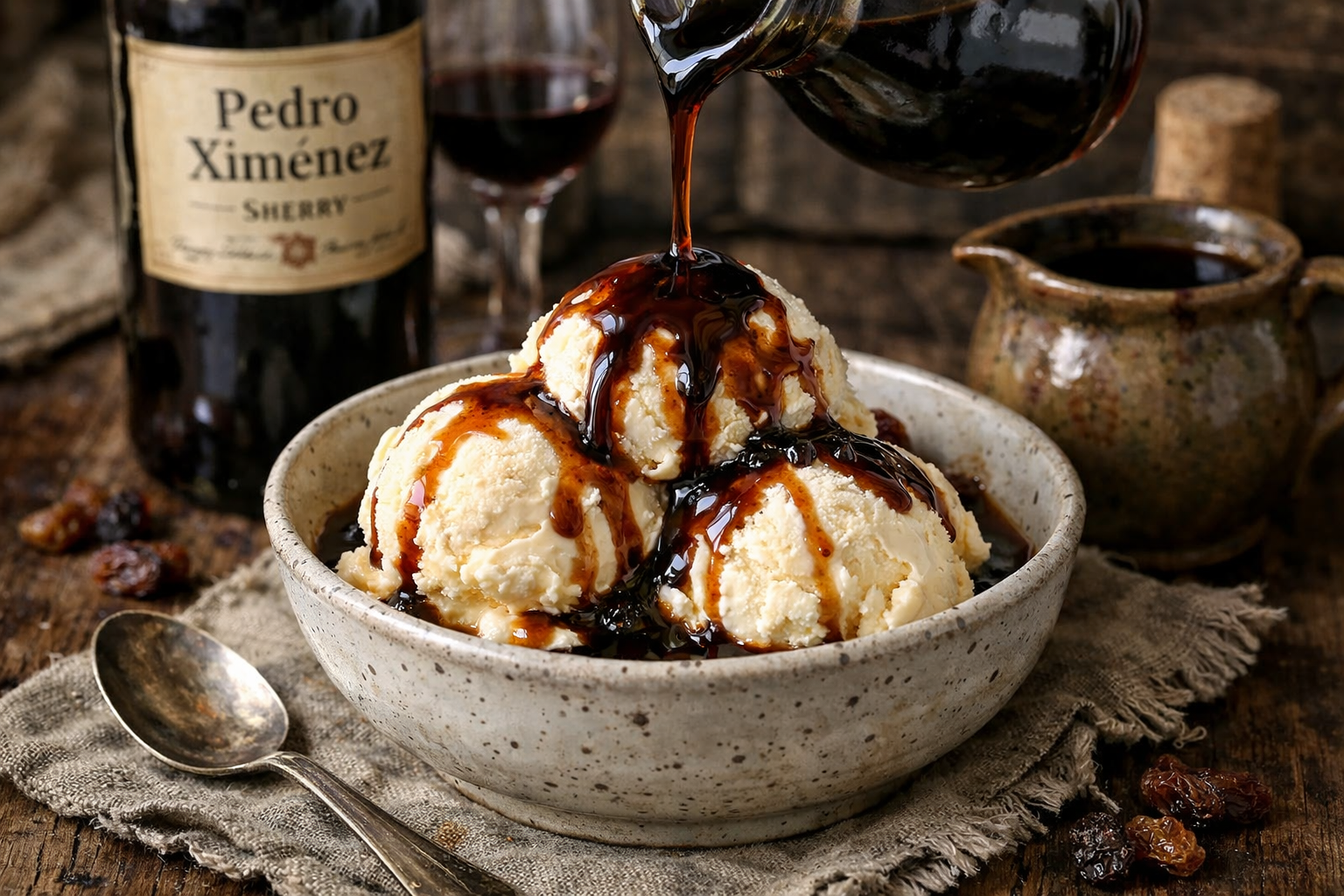
This isn't sipping wine in the traditional sense. It's dessert in a glass—or poured directly over vanilla ice cream, which is how many Spanish restaurants serve it. Lustau San Emilio and González Byass Noé (aged 30 years) show what PX can be when produced with care.
A little goes a long way, but that little bit creates a memorable finish to any meal.
Sherry in Cocktails: A Modern Entry Point
Before sherry became pigeonholed as "grandmother's wine," it was a cocktail staple. The category's revival owes much to bartenders rediscovering what 19th-century mixologists knew: sherry's range of flavors makes it incredibly versatile behind the bar [4].
The Sherry Cobbler, one of the first cocktails to popularize the straw, combines sherry with sugar and fresh fruit over crushed ice. It works with nearly any style, though Amontillado and Oloroso add the most complexity.
The Bamboo—equal parts dry sherry and dry vermouth with dashes of bitters—predates the Martini and deserves a similar reputation. Use Fino or Manzanilla for a lighter drink, Amontillado for more depth.
The Rebujito, Spain's summer staple, simply mixes Manzanilla with lemon-lime soda over ice. It's the kind of low-alcohol refreshment that makes afternoon drinking civilized rather than reckless.
If you're hesitant to sip sherry straight, mixing it first removes the intimidation factor. Many converts start with cocktails and work backward to neat pours.
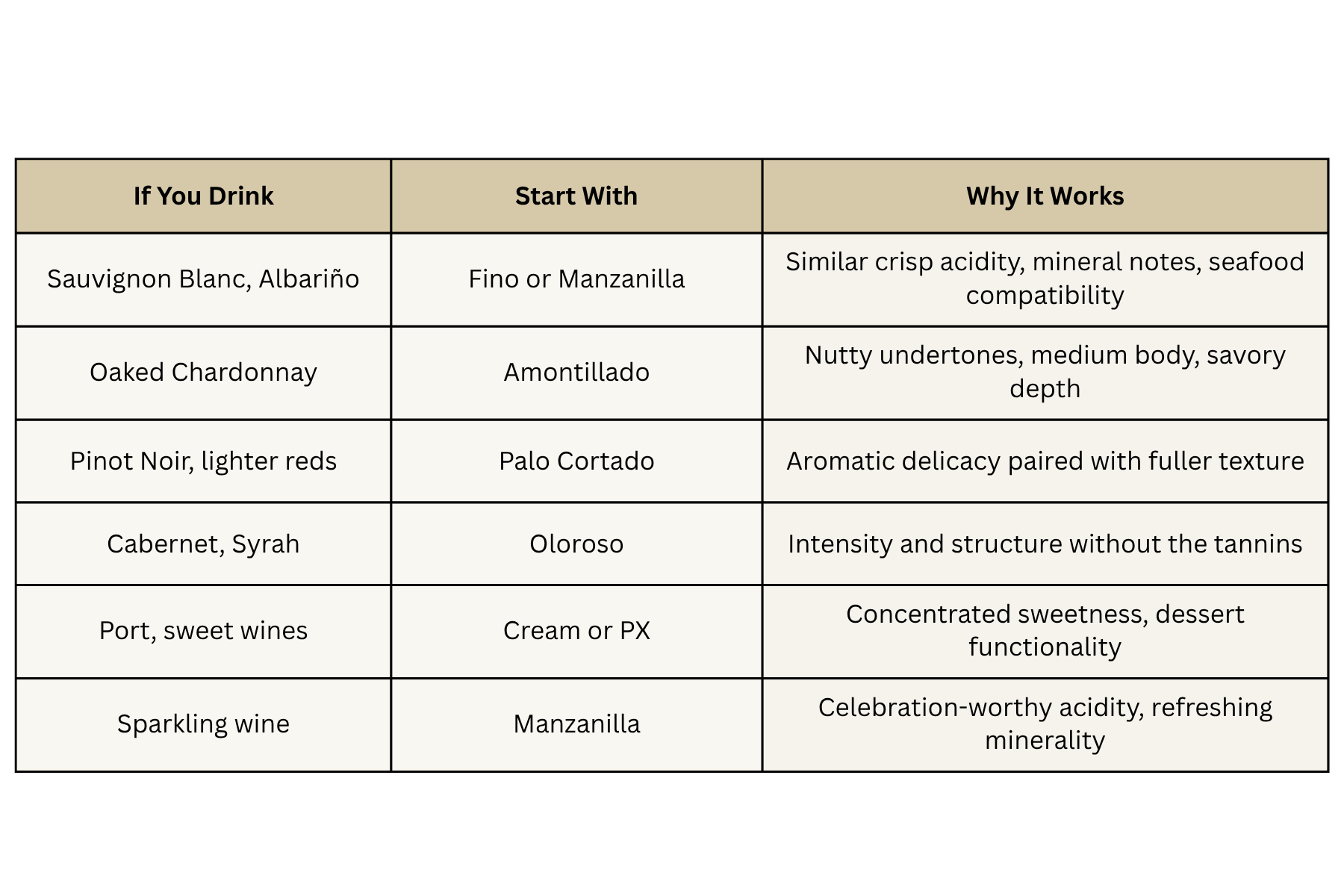
Your Wine-to-Sherry Translation Guide
Already know what wines you love? Here's your direct path into sherry:
Serving Sherry Right: Temperature and Glassware
Temperature changes everything with sherry.
Fino and Manzanilla need cold service, around 45°F (7°C). These styles lose their vibrancy at room temperature. A standard white wine glass works, though traditional copitas—small tulip-shaped glasses—concentrate the aromas nicely [2].
Amontillado and Palo Cortado show best slightly warmer, around 55°F (13°C). Too cold mutes the complexity. A smaller wine glass lets you appreciate the layered aromatics without overwhelming pours.
Oloroso, Cream, and PX open up near room temperature, around 60-65°F (16-18°C). Small pours—two to three ounces—are traditional and appropriate given the intensity [1].
Shelf life matters. Dry biological sherries (Fino, Manzanilla) should be finished within a week of opening and kept refrigerated. Oxidative styles (Amontillado, Oloroso, PX) last longer—several weeks to months—because they've already been exposed to air [2]. This makes keeping multiple bottles practical.
Food Pairing Principles That Actually Work
Sherry might be the most food-friendly wine category in existence. The high acidity, the range from bone-dry to syrupy-sweet, and the absence of aggressive tannins mean there's a sherry for nearly every dish.
Fino and Manzanilla
The high acidity and saline character make these ideal for:
Raw oysters, ceviche, and crudo
Jamón ibérico and cured meats
Olives, almonds, and Marcona nuts
Fried seafood (calamari, shrimp)
Fresh goat cheese
Amontillado
The medium body and nutty complexity handle:
Roasted chicken and turkey
Wild mushroom dishes
Aged Manchego and similar cheeses
Consommés and clear soups
Roasted vegetables with herbs
Oloroso
The intensity matches:
Braised short ribs and stews
Game meats (venison, duck)
Blue cheeses and aged Gouda
Dishes with earthy, umami notes
PX
The sweetness demands:
Vanilla ice cream (pour it directly on)
Blue cheese and honey
Pecan pie and similar desserts
Strong coffee or espresso
Building Your Sherry Confidence
If you're new to sherry, don't try to learn everything at once. Pick one entry point based on what you already enjoy:
The Dry Wine Lover's Path: Start with Fino alongside tapas-style bites—olives, almonds, some good cheese. Notice the acidity. Pay attention to how it cleanses your palate between bites. Once Fino clicks, move to Amontillado and compare the added depth from oxidative aging.
The Red Wine Enthusiast's Path: Jump straight to Oloroso. The intensity feels familiar even though the flavors differ. Try it with aged cheese or alongside a rich main course. Then work backward to lighter styles to appreciate the spectrum.
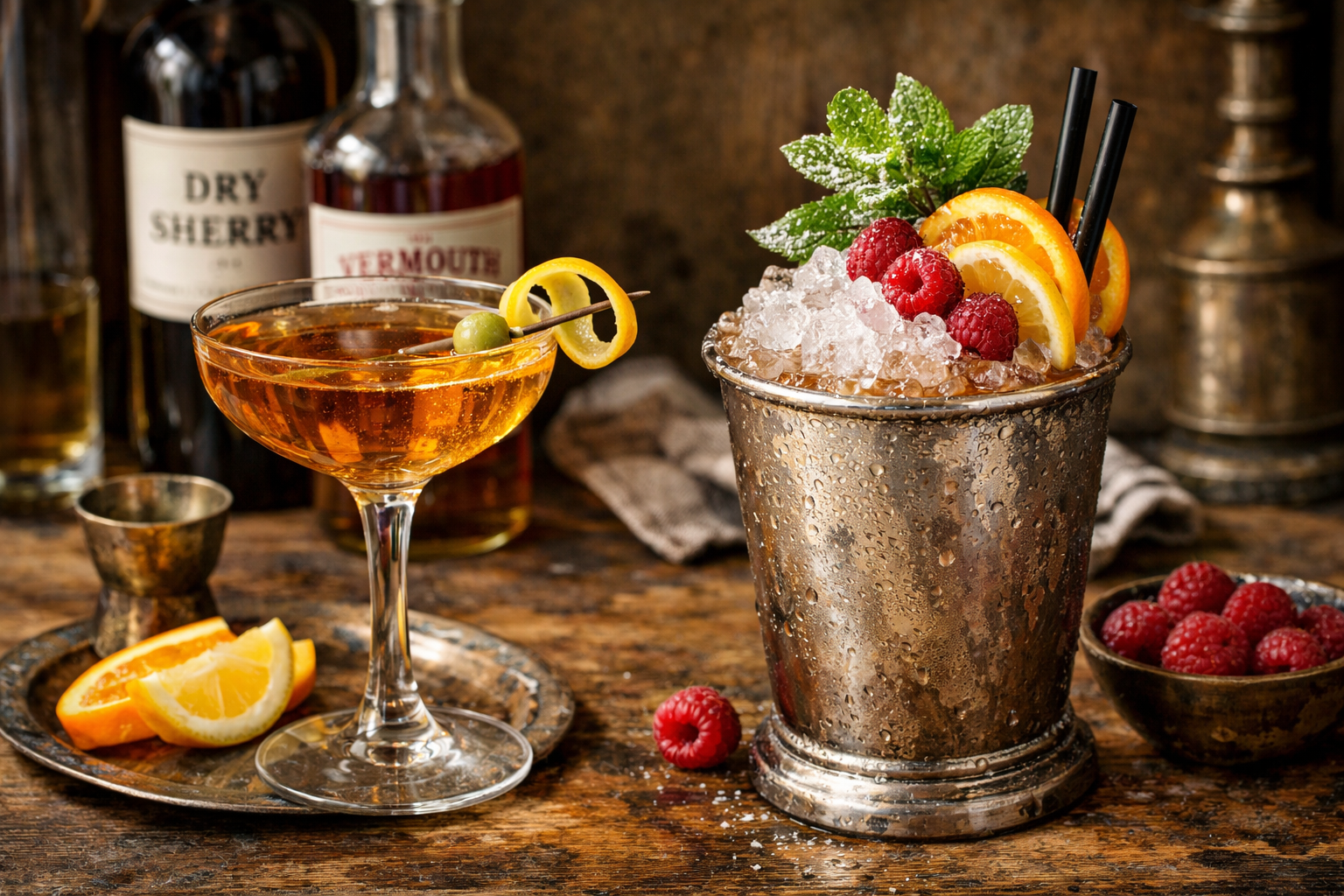
The Cocktail Curious Path: Mix a Sherry Cobbler or Bamboo before attempting neat pours. Cocktails remove the intimidation factor and let you taste how sherry's flavors integrate with other ingredients.
The Explorer's Path: Order a sherry flight if you find one. Tasting dry-to-sweet in one sitting reveals the full range and helps you pinpoint your preferences immediately.
A Category Worth Knowing
Sherry remains undervalued. Wines that take years to produce, from a specific protected region, using traditional methods that date back centuries—selling for less than basic table wine from anywhere else. That's a gap worth exploiting.
More importantly, sherry fills roles in your drinking life that nothing else handles quite as well. Cold Manzanilla with fresh oysters. Amontillado alongside a roasted bird. PX drizzled over ice cream to end a dinner party. These aren't substitutes for other wines—they're experiences you can't replicate with anything else.
The learning curve is shorter than you'd expect. A few focused tastings, and you'll know which styles suit your palate. From there, it's just exploration.
Come Discover What's on Our Shelves
Curious about sherry but not sure where to start? Come hang out with us. We carry a curated selection of sherries—the kind from small producers you won't find in grocery stores—and we're happy to guide you toward something you'll love.
Not sure what you like yet? Tell us what you usually drink. We'll figure it out together.
Check out our current menu and stop by Downtown Dixon. The Pip is exactly the kind of comfortable place to explore something new—no pretense, just good wine and honest guidance.
Frequently Asked Questions
Do I need special glasses to drink sherry?
Traditional copitas are lovely but not essential. A standard white wine glass works perfectly for lighter styles like Fino and Manzanilla. For richer Oloroso and PX, any small wine glass concentrates the aromas nicely without encouraging over-pouring. The key is matching glass size to serving size—these are wines meant to be savored in smaller quantities.
How long does sherry last after opening?
It depends entirely on the style. Fino and Manzanilla are delicate—refrigerate them and finish within a week for best quality. Amontillado and Oloroso handle air better and last several weeks to a couple of months since they've already aged oxidatively. Sweet styles like PX can last even longer because their high sugar content acts as a natural preservative.
Can I use sherry in cocktails?
Absolutely—sherry was a cocktail staple long before it fell out of fashion. Classic drinks like the Sherry Cobbler and Bamboo showcase how well it mixes. Fino and Manzanilla work in lighter, refreshing drinks, while Amontillado and Oloroso add depth to spirit-forward cocktails. Many modern bartenders consider sherry essential to a well-stocked bar.
Why does sherry have such a wide alcohol range?
The alcohol level depends on the style and how it was fortified. Fino and Manzanilla sit around 15% because lower alcohol allows flor to survive and continue the biological aging process. Oloroso and PX are fortified higher—up to 22%—specifically to prevent flor from forming, encouraging oxidative aging instead. Both approaches are intentional and create completely different flavor profiles.
Is sherry a good cooking wine?
Quality sherry transforms sauces, soups, and seafood dishes, but use something you'd actually drink—flavors concentrate when heated, so cheap cooking sherry produces cheap-tasting results. Dry sherries like Fino and Amontillado work best in savory applications. Save the special bottles for sipping and keep a reliable mid-range option for the kitchen.
About The Pip Wine Bar & Shop
The Pip is a curated wine bar and bottle shop in Downtown Dixon, California—a comfortable spot where discovering new wines feels easy, not intimidating. Our selection focuses on small producers and unique bottles you won't find at big-box stores, including a thoughtful range of sherries for every palate. Whether you're a seasoned enthusiast or just curious about what's beyond your usual glass, we're here to help you find something great.
Cited Works
[1] Sherry Wines — "What is Sherry?"
https://www.sherry.wine/
[2] Wine Folly — "Sherry Wine Guide."
https://winefolly.com/deep-dive/sherry-wine-guide/
[3] Decanter — "Sherry: A Complete Guide."
https://www.decanter.com/learn/sherry-guide/
[4] Punch Drink — "The Essential Guide to Sherry Cocktails."
https://punchdrink.com/articles/essential-guide-sherry-cocktails/