
Bored With Cabernet and Chardonnay? 9 Offbeat Grapes Worth Asking For
You've had the Cab. You've ordered the Chard. And honestly? You're ready for something different.
That restless feeling means your palate is ready to explore beyond the familiar. Cabernet Sauvignon and Chardonnay aren't bad wines—they're popular for good reason. But they've become default choices, the "I'll just have what everyone else is having" of the wine world.
Here at The Pip in Downtown Dixon, we get it. Thousands of grape varieties exist worldwide, yet most wine drinkers stick to maybe five or six their entire lives [1]. That's like visiting the same restaurant and ordering the same dish every single time. Safe? Sure. But you're missing out on some genuinely exciting discoveries.
The grapes on this list aren't obscure for the sake of being obscure. They're delicious, food-friendly, and—once you know what to ask for—surprisingly easy to find at wine bars and shops that care about curation over convention. We've built our selection around exactly these kinds of discoveries.
Why Your Palate Is Ready for Something New
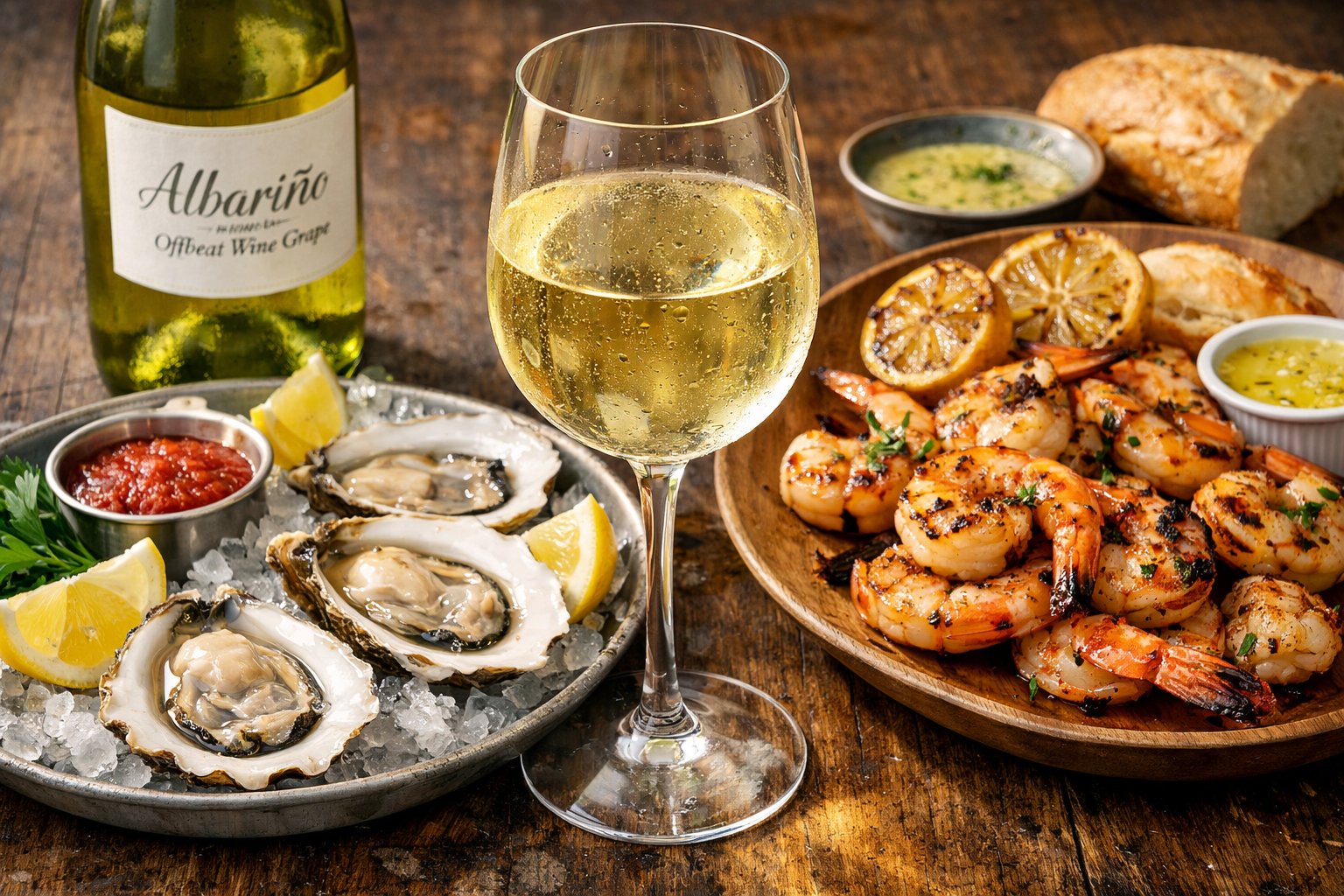
Albariño's coastal salinity pairs perfectly with fresh seafood dishes
When you've had countless glasses of the same profiles, your taste buds start tuning out. That smooth, oaky Chardonnay that once impressed you now registers as just... fine.
What's happening is straightforward. Your palate has adapted. The flavors that once seemed complex now feel predictable. You're not imagining it—repeated exposure to the same taste profiles genuinely diminishes the pleasure response [2].
The solution isn't fancier bottles of the same grapes. It's different grapes entirely.
Each variety brings its own fingerprint of flavors, textures, and aromas. Switching grapes is like changing the entire instrument, not just the song. And when you find a new grape that clicks with your preferences, that excitement of discovery comes flooding back.
How to Actually Use This Guide
Before diving into specific grapes, here's how to make this information work for you at a wine bar or bottle shop.
Start with what you already like. Each grape below is matched to a familiar preference—if you typically reach for Sauvignon Blanc, you'll know which alternatives might appeal to you.
Ask with confidence. We've included exact phrases you can use. No wine vocabulary required.
Embrace guidance. At places with curated selections, staff know their inventory. Saying "I usually drink ___, but I want to try something different" is the magic phrase that unlocks great recommendations.
Try by the glass first. Most wine bars pour lesser-known varieties by the glass specifically so you can explore without committing to a whole bottle.
Offbeat White Grapes Worth Discovering
Albariño: For Sauvignon Blanc Lovers Who Want More Texture
If you gravitate toward crisp, citrusy whites but wish they had a bit more body, Albariño is your next move.
This grape thrives in coastal Spain and Portugal, where winemakers have perfected the balance between zippy acidity and satisfying weight. Expect bright notes of lemon, green apple, and white peach, with a subtle salinity running through many examples—that slightly mineral, almost ocean-spray quality that makes it feel like it belongs near the sea [3].
The texture is rounder than Sauvignon Blanc but still refreshing. Light to medium body with a crisp finish that has decent weight on the palate. It's become increasingly available at wine bars that look beyond the obvious.
What to ask: "I usually like Sauvignon Blanc but want something with a little more texture. Do you have an Albariño?"
Pair it with: Oysters, grilled shrimp, ceviche, or any seafood where you'd squeeze lemon on top.
Grüner Veltliner: For People Who Think They Don't Like White Wine
Some people claim they "only drink reds" because they've only experienced flabby, overly sweet, or aggressively oaky whites. Austria's signature white is the intervention they need.
Grüner delivers white pepper spice, citrus, and an herbal quality that reads almost savory. It's bone-dry with energetic acidity—nothing sweet or cloying about it [4]. The peppery note is the signature tell. Once you taste it, you'll recognize Grüner forever.
Light to medium body, crisp and clean with a distinctive peppery finish that lingers pleasantly. It's also remarkably food-flexible, working with everything from salads to schnitzel to sushi.
What to ask: "I usually skip white wine, but I'd try something really dry and kind of savory. Got any Grüner Veltliner?"
Pair it with: Wiener schnitzel (classic), green salads with goat cheese, asparagus dishes, or Thai food with lemongrass.
Vermentino: For When You Want Mediterranean Sunshine in a Glass
This coastal Mediterranean grape captures something hard to describe but easy to recognize: a sense of place.
Italy (especially Sardinia and Liguria), southern France, and parts of Spain all produce excellent Vermentino. You'll find citrus and stone fruit with an herbal edge—think lemon, white flowers, and sometimes a hint of bitter almond on the finish. Many examples carry that same saline quality as Albariño, marking them as wines from near the sea [5].
Medium body with moderate acidity. Textured but not heavy. Great balance between fruit and savory notes. It's the white wine equivalent of a coastal vacation.
What to ask: "I want something crisp and Mediterranean—maybe a Vermentino?"
Pair it with: Pesto pasta, grilled fish with olive oil and herbs, bruschetta, or a charcuterie board with olives and aged cheese.
Torrontés: For Aromatic Wine Lovers Who Want to Go Bigger
If you enjoy Gewürztraminer or Muscat but want something with better balance and more drinkability, Argentina's Torrontés delivers aromatic intensity without the heaviness.
Intensely floral—rose petals, jasmine, and citrus blossom hit you immediately. Despite the aromatic punch, well-made examples stay refreshing with enough acidity to prevent them from becoming cloying [6]. The disconnect between how Torrontés smells (rich, almost sweet) and how it tastes (dry, crisp) surprises many first-timers.
Light to medium body. Aromatic and perfumed on the nose, but surprisingly crisp and clean on the palate.
What to ask: "I like aromatic whites—floral, perfumed. What do you have that's similar but maybe a little more refreshing?"
Pair it with: Spicy Asian cuisine, Indian curries, fresh spring rolls, or dishes with ginger and citrus.
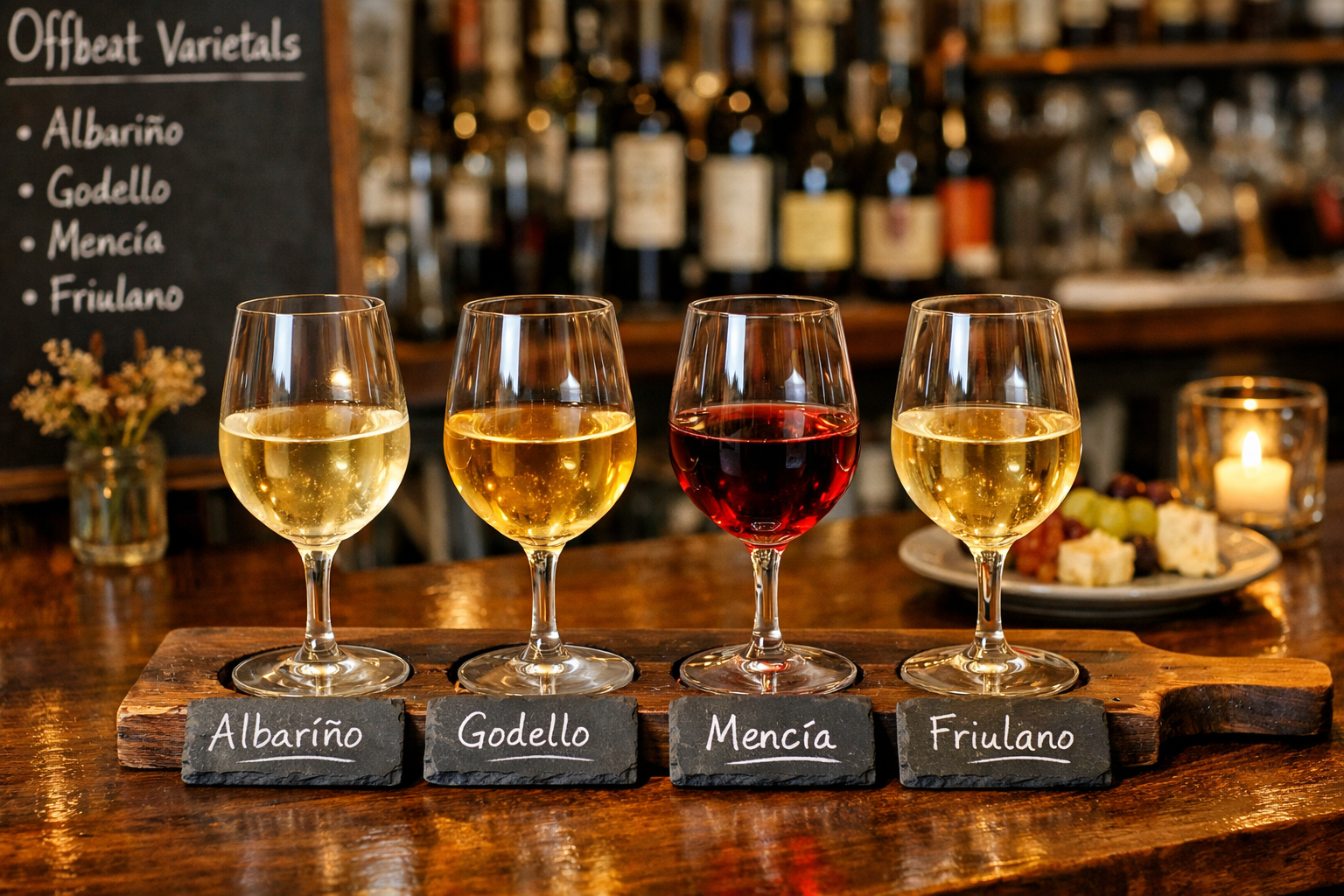
Explore offbeat wine grapes through curated tasting flights at The Pip
Offbeat Red Grapes That Deserve Your Attention
Gamay: For Pinot Noir Fans Ready for Something Juicier
Beaujolais is the famous home, but Gamay the grape doesn't get the name recognition it deserves.
Red berries, cherry, and sometimes a fresh floral lift. Lower tannins than most reds—that means less of the drying, gripping sensation on your palate. Bright acidity keeps everything lively [7]. The best examples have a slightly crunchy, fresh quality that's perfect for people who find most reds too heavy.
Light to medium body, smooth and juicy with soft tannins. Try it slightly cool—about 15 minutes in the fridge—and watch how it transforms.
What to ask: "I like Pinot Noir but want something a little lighter and fruitier. Got any Gamay or something from Beaujolais?"
Pair it with: Roast chicken, charcuterie, mushroom dishes, or slightly chilled alongside a summer picnic spread.
Mencía: For Cabernet Fans Who Want Something More Interesting
This Spanish grape from the northwest regions of Bierzo and Ribeira Sacra has been having a serious moment among wine enthusiasts looking beyond the usual suspects.
Dark fruit—blackberry, plum, black cherry—with earthy undertones and often a distinctive violet floral note. Tannins are moderate, giving structure without aggression. Many examples show a minerality that reflects the slate and granite soils where the vines grow [8]. Think of Mencía as Cabernet's more interesting cousin—similar weight and dark fruit appeal, but with personality that can't be found in mass-produced bottles.
Medium body with structure but not as heavy as Cabernet. Earthy and floral notes add complexity.
What to ask: "I usually go for Cabernet, but I want something with more character. Do you have a Mencía?"
Pair it with: Grilled lamb chops, roasted pork, mushroom risotto, or aged manchego cheese.
Nero d'Avola: For People Who Like Their Reds Bold but Smooth
Sicily's most important red grape produces wines with concentration and warmth without the harsh tannins that can make some big reds feel aggressive.
Ripe dark fruit—black cherry, plum—with notes of chocolate, spice, and sometimes dried herbs. The Mediterranean climate gives these wines warmth and richness, while good examples maintain balancing acidity [9]. This grape delivers the satisfaction of a big red without requiring a steak to tame the tannins.
Medium to full body. Rich and concentrated but with smooth, approachable tannins. Warm finish.
What to ask: "I want something bold but not too tannic. Do you have anything from Sicily—maybe a Nero d'Avola?"
Pair it with: Pizza (especially with sausage or pepperoni), pasta with meat sauces, grilled eggplant, or honestly just on its own.
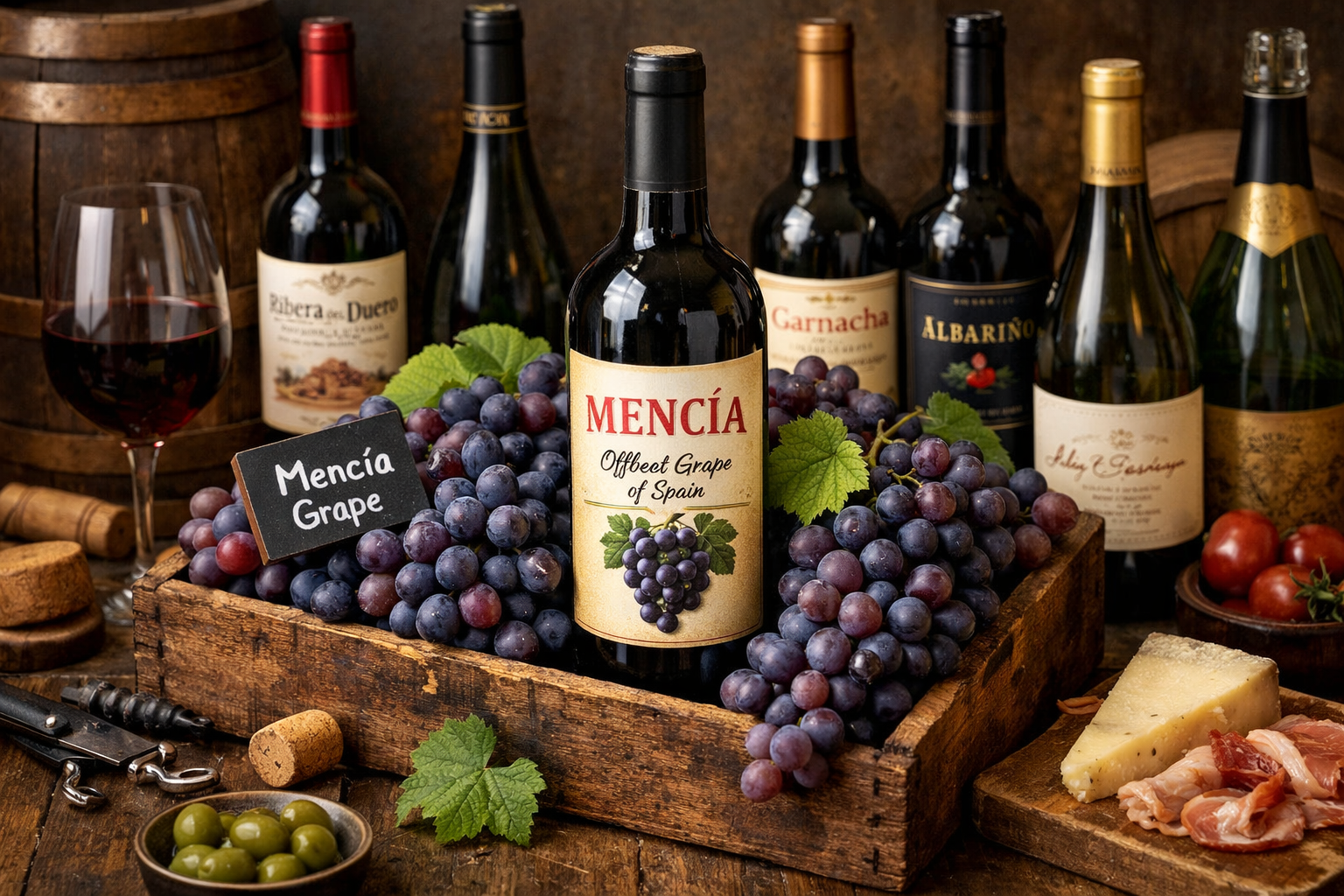
Mencía delivers complexity beyond typical Cabernet at The Pip Wine Bar
Blaufränkisch: For Seekers of Complexity Beyond the Usual
If you've worked through the classic regions and want something genuinely different, Austria's Blaufränkisch (also called Lemberger in some places) rewards the adventurous.
Dark cherry and berry fruit with distinctive spicy, peppery notes. Often shows earthy characteristics and a minerality that reflects terroir. Bright acidity keeps it food-friendly despite medium-plus body [10]. Medium to full body, structured with firm tannins but balanced by acidity. Spicy finish that lingers.
This isn't a beginner grape, and that's the point. If you've explored enough wine to be bored with the standards, Blaufränkisch will give you something genuinely new to think about.
What to ask: "I'm looking for a red with real complexity—something spicy and earthy. What about Blaufränkisch?"
Pair it with: Duck breast, venison, smoked meats, or dishes with black pepper and warm spices.
Xinomavro: For Those Who Want Wine That Makes Them Sit Up and Pay Attention
Greece's most noble red grape produces wines of serious structure and complexity—often compared to Nebbiolo (the grape behind Barolo) for their aromatic intensity and firm tannins.
Red fruit (tomato, strawberry, cherry) with earthy notes and often a distinctive sun-dried tomato character that's unmistakable once you know it. High acidity and firm tannins mean these wines age beautifully but can also reward patience in young examples [11]. Medium to full body with high acidity and firm tannins—that drying, structured feeling—balanced by aromatic complexity.
This grape demands attention. It needs food to show its best.
What to ask: "I love structured reds like Barolo but want to explore Greek wines. Do you carry Xinomavro?"
Pair it with: Grilled lamb (the classic pairing), aged cheese with umami depth, eggplant moussaka, or slow-braised beef.
The Case for Curated Wine Selection
Big-box stores and grocery chains stock what sells in volume. That means walls of the same familiar names, because those are safe bets for buyers who don't want to think too hard.
Shops and bars with curated selections operate differently. Someone has actually tasted and chosen each bottle on the shelf. Someone can tell you why this particular producer's Mencía is worth your attention, or which Albariño pairs best with the oysters you're ordering.
The difference matters more when you're exploring. When you're buying what you already know, any store works. When you're discovering what you might love next, guidance changes everything.
Small-producer wines—the kind made by families who care about their specific vineyards—tend to show more character and sense of place than mass-market alternatives. You taste the decisions, not just the grape.
What to Do Next Time You're Ordering
Pick one grape from this list that matches your current preferences. Use the suggested phrase to ask about it. Try it by the glass if you can, or ask for a recommendation at a bottle shop.
Take a mental note. Did you like it? What specifically worked or didn't? Report back—good shops and bars want to know what you thought. It helps them guide you better next time.
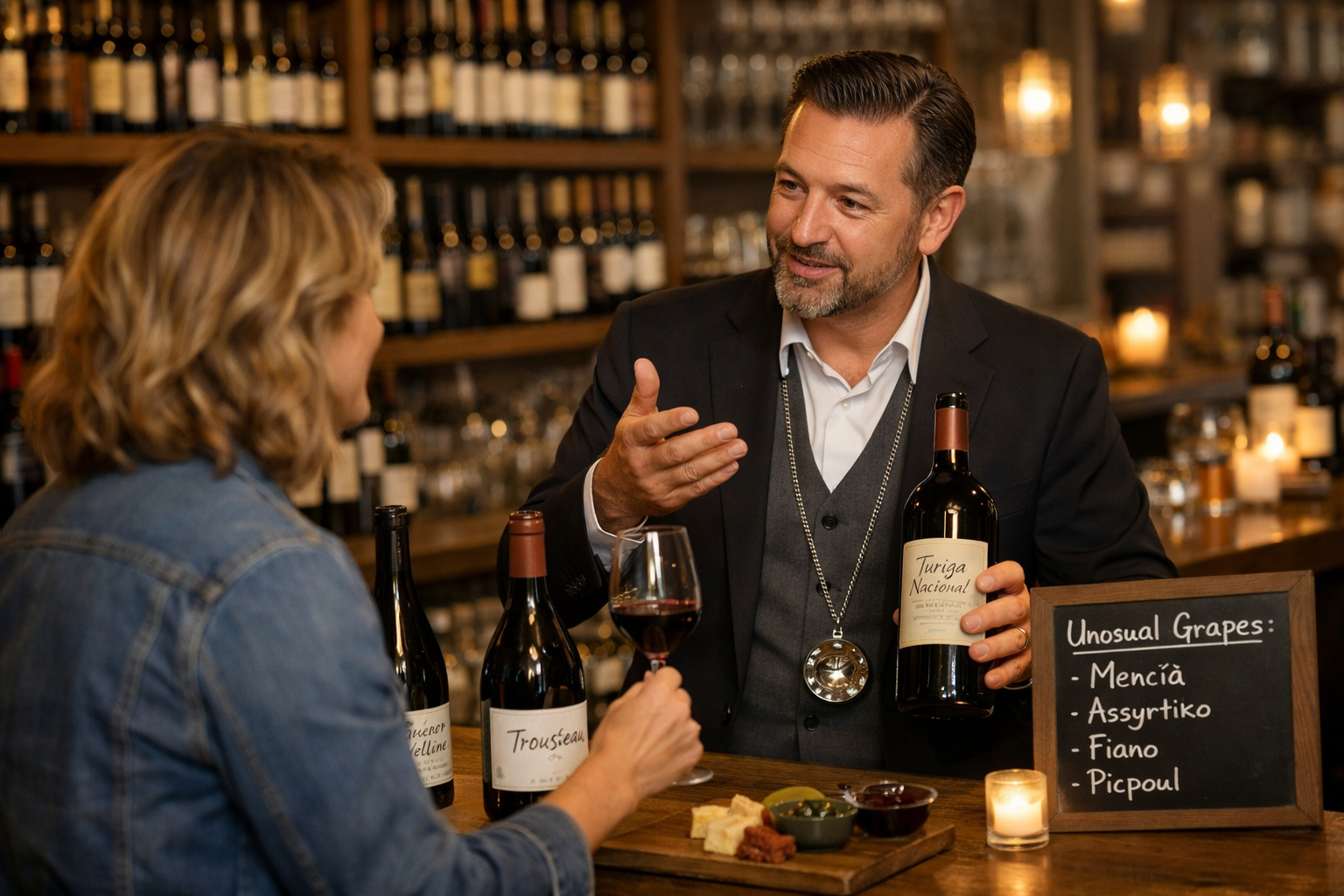
Expert guidance helps you discover your next favorite offbeat wine grape
The goal isn't to memorize every grape or become a wine expert overnight. The goal is to break free from the same-old-same-old and rediscover why wine can be genuinely exciting.
Come Explore Something New
Ready to taste beyond the ordinary? Stop by The Pip in Downtown Dixon and let us guide you through our curated selection of small-producer wines. Tell us what you usually drink, and we'll help you find your next favorite grape.
Check our events calendar for tasting nights, browse our menu, or just swing by when you're ready to discover something different. Not sure what you like? That's exactly what we're here for.
Frequently Asked Questions
What if I try an offbeat grape and don't like it?
That's completely fine and actually useful information. Knowing what you don't like helps narrow down what you will enjoy. Good wine bars expect experimentation—that's why they pour lesser-known varieties by the glass. One disappointing sip won't ruin your night, and the next pour might become your new favorite.
Are offbeat grapes more expensive than popular varieties?
Not necessarily. Many lesser-known grapes come from regions without the prestige markup of famous appellations. A well-made Mencía from Bierzo or Albariño from Rías Baixas often costs less than comparable-quality Cabernet or Chardonnay from well-known regions. You're paying for what's in the bottle, not the brand recognition.
How do I remember which grapes I've tried?
Keep simple notes on your phone—even just the grape name and a thumbs up or down works. Many wine apps let you photograph labels and add ratings. Over time, you'll build a personal database of preferences that makes future exploring much easier.
Should I buy a bottle or try by the glass first?
Try by the glass whenever possible, especially with unfamiliar grapes. Committing to a full bottle of something you've never tasted is a gamble. Bars with good selections specifically pour interesting varieties by the glass to encourage exploration without risk.
What if the wine bar doesn't have the specific grape I ask for?
Use it as a conversation starter. Saying "I was hoping to try Grüner Veltliner—what do you have that's similar?" gives the staff something to work with. They'll point you toward alternatives that match what you're looking for, often introducing you to something equally interesting.
About The Pip Wine Bar & Shop
The Pip Wine Bar & Shop in Downtown Dixon specializes in curated, small-producer wines you won't find in big-box stores. Our selection prioritizes character, quality, and the kind of discoveries that remind people why wine is worth caring about. We taste everything we carry and love helping guests explore beyond the familiar—whether that's your first Albariño or your twentieth offbeat grape. Dixon is a great place to meet halfway between Napa and Sacramento, the Bay Area and Sacramento, or on the way to Tahoe. Come in, tell us what you like, and let us guide you to something new.
Cited Works
[1] Wine Folly — "How Many Wine Grape Varieties Are There?" https://winefolly.com/deep-dive/how-many-wine-grapes-are-there/
[2] National Institutes of Health — "Sensory-Specific Satiety." https://www.ncbi.nlm.nih.gov/pmc/articles/PMC4315552/
[3] GuildSomm — "Albariño: Grape Variety Profile." https://www.guildsomm.com/public_content/features/articles/b/albariño
[4] Wine Spectator — "A Beginner's Guide to Grüner Veltliner." https://www.winespectator.com/articles/a-beginner-s-guide-to-gruner-veltliner
[5] Decanter — "Vermentino Wine Guide." https://www.decanter.com/learn/vermentino-wine-guide/
[6] Wine Enthusiast — "The Complete Guide to Torrontés." https://www.winemag.com/2019/01/25/torrontes-guide/
[10] GuildSomm — "Blaufränkisch: A Complete Guide." https://www.guildsomm.com/public_content/features/articles/b/blaufränkisch
[11] Greek Wine Bureau — "Xinomavro: The Noble Grape of Northern Greece." https://greekwinefederation.gr/xinomavro/